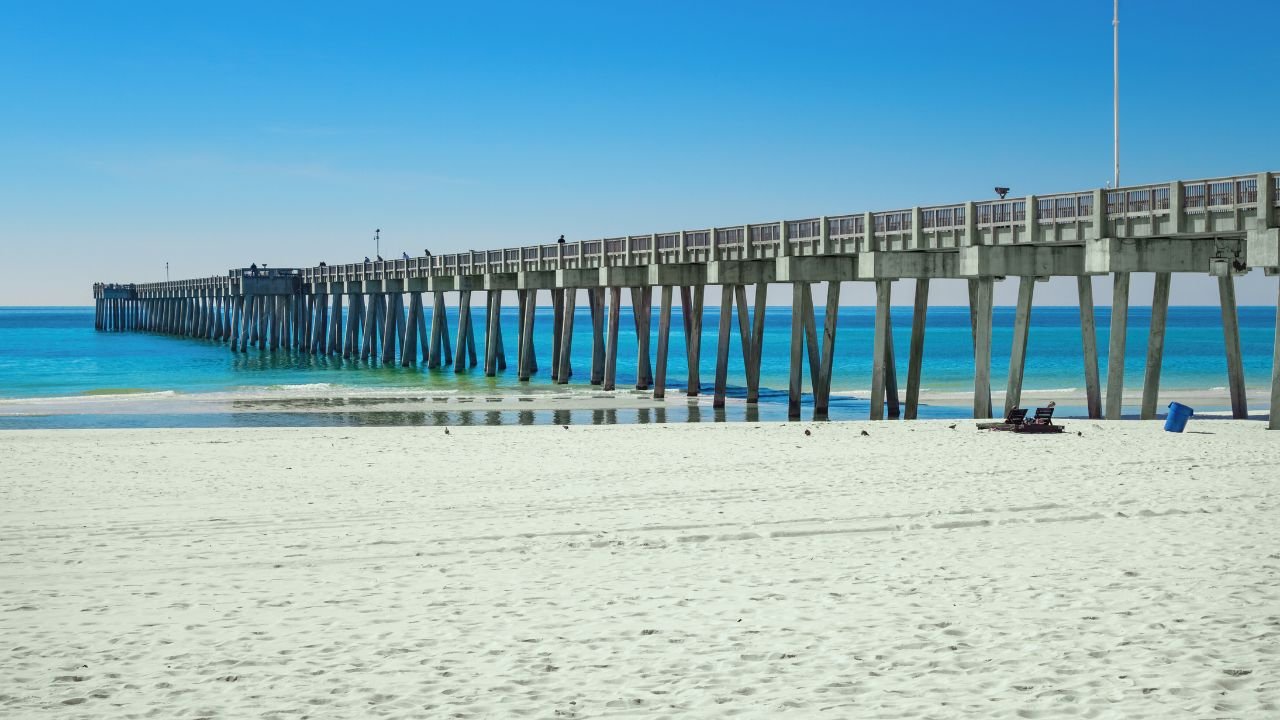
As we face the increasing threat of hurricanes, it’s essential to discuss the importance of hurricane-resistant marine structures. The Storm-Safe Concrete Squad in Florida is at the forefront of this effort, utilizing innovative materials and techniques to enhance coastal resilience. By examining their work, we can uncover how these advancements not only protect our communities but also pave the way for a safer future. Let’s explore what makes their approach so effective.
As we face the increasing threat of hurricanes, it’s essential that we prioritize hurricane-resistant infrastructure to protect our coastal communities. These structures aren’t just buildings; they’re lifelines for families and businesses during extreme weather events. By investing in durable designs, we can greatly reduce damage, save lives, and minimize economic loss.
We know that traditional materials often can’t withstand hurricane-force winds and flooding, which can lead to catastrophic failures. Instead, we must embrace innovative materials and construction techniques specifically designed for resilience.
When we build with hurricane resistance in mind, we empower our communities to bounce back quicker. This approach not only protects our homes and businesses but also fosters a sense of security among residents. It’s our responsibility to guarantee that future generations inherit strong, safe environments. Let’s work together to make hurricane-resistant infrastructure a priority for a more secure future.
As we focus on hurricane-resistant construction, let’s introduce the Storm-Safe Concrete Squad. Our mission and vision revolve around creating durable structures, backed by a team with extensive expertise in innovative techniques. Together, we’re committed to reshaping the future of marine construction to withstand nature’s fiercest challenges.
At the heart of our mission lies a commitment to resilience and innovation in marine structure construction. We recognize the challenges posed by hurricanes, and we’re dedicated to creating structures that stand strong against nature’s fury. Our vision is to lead the industry by:
Together, we endeavor to build safe havens that not only protect lives and property but also inspire confidence in the face of adversity. Our focus on excellence guides every project we undertake, guaranteeing a storm-safe future for all.
Expertise is the cornerstone of our Storm-Safe Concrete Squad, where each member brings a wealth of knowledge and hands-on experience in hurricane-resistant construction. Our team includes engineers, architects, and skilled laborers, all dedicated to creating structures that withstand the fiercest storms. We comprehend the unique challenges posed by Florida’s coastal environment and apply our collective skills to develop resilient solutions. With a focus on safety, durability, and efficiency, we collaborate closely to guarantee that each project meets the highest standards. Our commitment to continuous learning keeps us abreast of industry advancements, enabling us to refine our techniques and enhance our effectiveness. Together, we endeavor to provide peace of mind to coastal communities through our expertise in marine structure construction.
Our team’s dedication to hurricane-resistant construction drives us to explore innovative techniques that set us apart in the industry. We believe that adapting to the challenges of nature is essential for safety and longevity. Here are three techniques we use to guarantee our structures withstand severe storms:
Reinforced Concrete: We incorporate advanced reinforcement materials that enhance durability and resistance against high winds and flooding.
Modular Design: Our structures are designed in modular sections, allowing for quick assembly and efficient repairs after a storm.
Sustainable Materials: We prioritize eco-friendly materials that not only reduce environmental impact but also offer superior strength and resilience.
As we explore innovative materials for storm resilience, we can’t overlook the potential of advanced composite materials and reinforced concrete techniques. These cutting-edge solutions not only enhance durability but also improve the overall strength of marine structures. Let’s consider how these materials can transform our approach to hurricane-resistant construction.
While traditional materials often succumb to the relentless forces of hurricanes, advanced composite materials are revolutionizing the construction of marine structures. These innovative materials enhance strength and flexibility, allowing us to build more resilient designs. Here’s what makes them stand out:
Building on the advancements in composite materials, reinforced concrete techniques are emerging as another essential approach for enhancing storm resilience in marine structures. These techniques combine traditional concrete with steel reinforcement, increasing durability and strength against harsh weather. By utilizing innovative mixtures and additives, we can improve the concrete’s resistance to saltwater, which is critical for coastal applications.
| Technique | Benefit |
|---|---|
| Fiber Reinforcement | Increases tensile strength |
| Self-Compacting Concrete | Reduces voids and enhances longevity |
| High-Performance Mixes | Offers superior durability |
| Corrosion-Resistant Rebar | Extends lifespan in marine environments |
| Lightweight Aggregates | Reduces overall structure weight |
When designing hurricane-resistant marine structures, we must consider various engineering techniques that enhance durability and safety. These techniques help us create structures that can withstand extreme weather events, ensuring protection for both people and property. Here are three key approaches we often implement:
Elevated Foundations: By raising structures above potential flood levels, we reduce the risk of water damage during storms.
Aerodynamic Design: Incorporating shapes that minimize wind resistance helps us mitigate the impact of strong winds, leading to greater structural integrity.
Flexible Materials: Using materials that can bend without breaking allows our structures to absorb and dissipate forces from waves and winds, preventing catastrophic failures.
When we think about hurricane-resistant marine structures, concrete plays a vital role in enhancing structural integrity. Its wind resistance properties help us withstand the fierce forces of nature, while effective water absorption control keeps our structures safe from damage. Let’s explore how these attributes contribute to building resilience against hurricanes.
As we explore the crucial role of concrete in enhancing structural integrity for hurricane-resistant marine constructions, it’s clear that this versatile material offers exceptional durability and strength. Concrete’s unique properties help us guarantee that structures can withstand extreme weather conditions. Here are three key benefits of using concrete:
While it’s evident that concrete plays an essential role in overall structural integrity, its wind resistance properties are equally critical in hurricane-resistant marine construction. When we use high-quality concrete, we create structures that can withstand the intense forces of hurricane winds. The density and compressive strength of concrete help it resist bending and deformation, ensuring that our marine structures remain stable during storms. Additionally, incorporating reinforced steel bars further enhances this resistance, allowing concrete to absorb and redistribute wind pressure effectively. By prioritizing these wind resistance properties in our designs, we can greatly reduce damage during hurricanes, protecting both the structures and those who rely on them. Together, we can build safer, more resilient marine environments.
The wind resistance properties of concrete are just one aspect of its role in hurricane-resistant marine structures; we also need to contemplate water absorption control. When water seeps into concrete, it can weaken the structure and lead to costly repairs. To effectively manage this risk, we can focus on three key strategies:
Several notable projects illustrate the effectiveness of hurricane-resistant marine structures. One standout example is the Fort Lauderdale Seawall, which we reinforced with advanced concrete technology. During a recent hurricane, this structure endured harsh winds and waves, protecting the waterfront properties it supports.
Another project worth mentioning is the new marina in Naples. We utilized innovative design techniques, including elevated platforms and robust anchoring systems, ensuring it remained operational even during severe weather events.
In both cases, our commitment to quality and resilience paid off. The structures not only survived but also minimized damage to surrounding areas, proving that investing in hurricane-resistant designs is essential for coastal communities.
These successes highlight our dedication to building safe, durable marine structures that stand the test of time. As we move forward, we’ll continue to learn from these projects and enhance our techniques for even better results in the future.
Recognizing the critical role of local governments and communities, we actively engage stakeholders in the planning and construction processes of hurricane-resistant marine structures. This collaboration guarantees that our projects meet local needs and enhance safety. Here are three key ways we work together:
Community Workshops: We host workshops to gather feedback and ideas from residents, guaranteeing their concerns are addressed in our designs.
Partnerships with Local Agencies: We collaborate with local governments to align our construction practices with existing regulations and resources, fostering a shared commitment to safety.
Ongoing Communication: We maintain open lines of communication with community leaders, keeping everyone informed about project progress and inviting input at every stage.
While we focus on building hurricane-resistant marine structures, we also prioritize minimizing our environmental impact. By integrating sustainable practices into our construction processes, we guarantee that we protect the ecosystems surrounding our projects.
Here’s a quick look at some of our environmental considerations:
| Environmental Aspect | Our Approach |
|---|---|
| Material Selection | Use of recycled materials |
| Waste Management | Minimizing and recycling waste |
| Water Usage | Efficient water management |
| Energy Efficiency | Utilizing renewable energy sources |
| Habitat Protection | Preserving local wildlife habitats |
We believe that responsible construction not only strengthens our structures but also safeguards the natural resources we cherish. Together, we can build resilient marine structures while respecting our environment, making our communities better for everyone.
As we focus on building hurricane-resistant marine structures, leveraging advanced technology in structural design becomes essential for enhancing both safety and efficiency. By embracing innovative solutions, we can greatly improve our resilience against extreme weather.
Here are three advanced technologies that we’re utilizing:
Building Information Modeling (BIM): This allows us to create 3D digital representations of structures, enabling precise planning and visualization.
High-Performance Materials: We’re incorporating materials like fiber-reinforced concrete, which offers superior strength and durability against harsh marine conditions.
Smart Sensors: These devices monitor structural integrity in real-time, providing critical data that helps us address potential issues before they escalate.
To guarantee our hurricane-resistant marine structures are built to the highest standards, our Storm-Safe Team undergoes rigorous training and leverages specialized expertise. Each member of our team is trained in the latest construction techniques and materials specifically designed to withstand extreme weather conditions. We focus on hands-on experience, ensuring that our crew is well-versed in practical applications as well as theoretical knowledge.
We regularly engage in workshops and seminars that cover advancements in hurricane-resistant construction. This commitment keeps us updated on industry best practices and innovative solutions. Our team also collaborates with engineers and meteorologists who provide insights into weather patterns and their impact on marine structures.
Investing in hurricane-resistant solutions not only enhances safety but also proves to be cost-effective in the long run. By choosing durable materials and designs, we can save on repairs and replacements after storms. Here are three key reasons why these solutions are financially wise:
Reduced Repair Costs: Structures built to withstand hurricanes require fewer repairs, keeping our maintenance expenses low over time.
Insurance Savings: Many insurance companies offer lower premiums for hurricane-resistant buildings, helping us save significant amounts annually.
Increased Property Value: Properties designed with resilience in mind tend to retain or even increase their market value, making them a smart investment.
As we look ahead in marine construction, we’re excited about the potential of innovative materials and smart technology. These advancements promise to enhance the resilience and efficiency of our structures. Let’s explore how these trends can shape the future of hurricane-resistant designs together.
While we face the increasing threat of hurricanes, the marine construction industry is embracing innovative materials that promise greater resilience and sustainability. By integrating cutting-edge materials, we can enhance the durability of marine structures. Here are three promising options:
Together, these innovative materials help us create safer, more sustainable marine structures, ensuring our coastal communities are better prepared for the challenges ahead.
Incorporating smart technology in marine construction not only enhances our ability to build hurricane-resistant structures but also revolutionizes how we manage and maintain them. By utilizing sensors and IoT devices, we can monitor structural integrity in real-time, ensuring that any potential issues are addressed before they escalate. These technologies allow us to collect valuable data on environmental conditions and stress levels, enabling informed decision-making. Additionally, automated systems can optimize energy use and safety protocols, making our marine structures more efficient and resilient. As we embrace these advancements, we’re not just improving construction methods; we’re paving the way for a more sustainable, responsive future in marine environments. Together, let’s harness smart technology to safeguard our coastal communities.
Preparing for hurricane season is vital for anyone living in coastal areas, and we can’t afford to wait until the last minute. Let’s take proactive steps to guarantee our safety and minimize damage. Here are three key actions we should prioritize:
Create an Emergency Kit: We need to gather essentials like water, non-perishable food, medications, flashlights, batteries, and important documents. Having these items ready can make a huge difference.
Develop a Family Communication Plan: It’s important to establish how we’ll stay in touch and where we’ll meet if separated. Designating a safe location can ease anxiety during a crisis.
Secure Our Property: We should inspect our homes for vulnerabilities, like loose shingles or weak windows, and consider investing in storm shutters or plywood to protect against debris.
As we focus on protecting our homes and families during hurricane season, community engagement and education initiatives can play a significant role in enhancing our collective resilience. By working together, we can share knowledge and resources that empower everyone in our community.
Here’s a quick look at some key initiatives:
| Initiative | Description |
|---|---|
| Workshops | Hands-on sessions teaching preparedness strategies. |
| Community Drills | Simulated hurricane scenarios to practice response plans. |
| Informational Campaigns | Distributing flyers and hosting events to raise awareness. |
These initiatives not only help us prepare but also strengthen our bonds as neighbors. When we’re informed and connected, we’re better equipped to face any challenges that come our way. Let’s take the time to participate and support each other, ensuring our community stands strong against hurricanes.
While investing in resilient coastal infrastructure might seem costly upfront, the long-term benefits far outweigh the initial expenses. By prioritizing durability and strength in our marine structures, we’re not just building for today; we’re securing our community’s future. Here are three key benefits we can expect:
Reduced Repair Costs: Stronger structures withstand storms better, leading to fewer repairs and lower maintenance expenses over time.
Enhanced Safety: Resilient infrastructure protects lives and property, minimizing the risks of severe weather events, which is invaluable for our peace of mind.
Economic Stability: By attracting businesses and tourism, well-built infrastructures can boost our local economy, creating jobs and supporting community growth.
To undertake hurricane-resistant marine construction in Florida, we need several permits. First, we’ll obtain a building permit from our local municipality. Next, we might require an environmental resource permit from the Florida Department of Environmental Protection. Additionally, if we’re near navigable waters, a permit from the U.S. Army Corps of Engineers may be necessary. Each project’s specifics dictate the exact permits, so it’s essential we check local regulations carefully.
Choosing a contractor for storm-safe construction isn’t like picking a restaurant for takeout—this isn’t a gamble on soggy fries! First, we should check their experience with storm-resistant designs and read reviews. Let’s ask for references and verify their licenses. It’s essential to guarantee they understand local regulations. Finally, we’ll discuss our vision and budget openly, as clear communication helps us avoid surprises that could blow us away, literally!
Yes, there are grants available for hurricane-resilient building projects! We can explore options like the Federal Emergency Management Agency (FEMA) grants, state programs, and local initiatives focused on disaster resilience. It’s essential to check eligibility criteria and application deadlines. Additionally, we should connect with community organizations that support these efforts, as they often have resources and information to help us secure funding for our projects. Let’s make our homes safer together!
To keep hurricane-resistant marine structures in top shape, we should regularly inspect for signs of wear, corrosion, or damage. We’ll clean debris from surfaces and check seals and joints for leaks. It’s essential to maintain proper drainage to prevent water buildup. Additionally, we can apply protective coatings to enhance durability. Regular maintenance not only prolongs the structure’s lifespan but also guarantees safety during extreme weather events, helping us stay prepared.
Insurance premiums often decrease with hurricane-resistant construction. When we build stronger, more durable structures, insurers see reduced risk and may lower our rates accordingly. They recognize that these buildings are less likely to sustain severe damage during storms, which can lead to fewer claims. By investing in hurricane-resistant features, we not only protect our property but also save on insurance costs, making it a smart financial choice for us all.
 Call Now