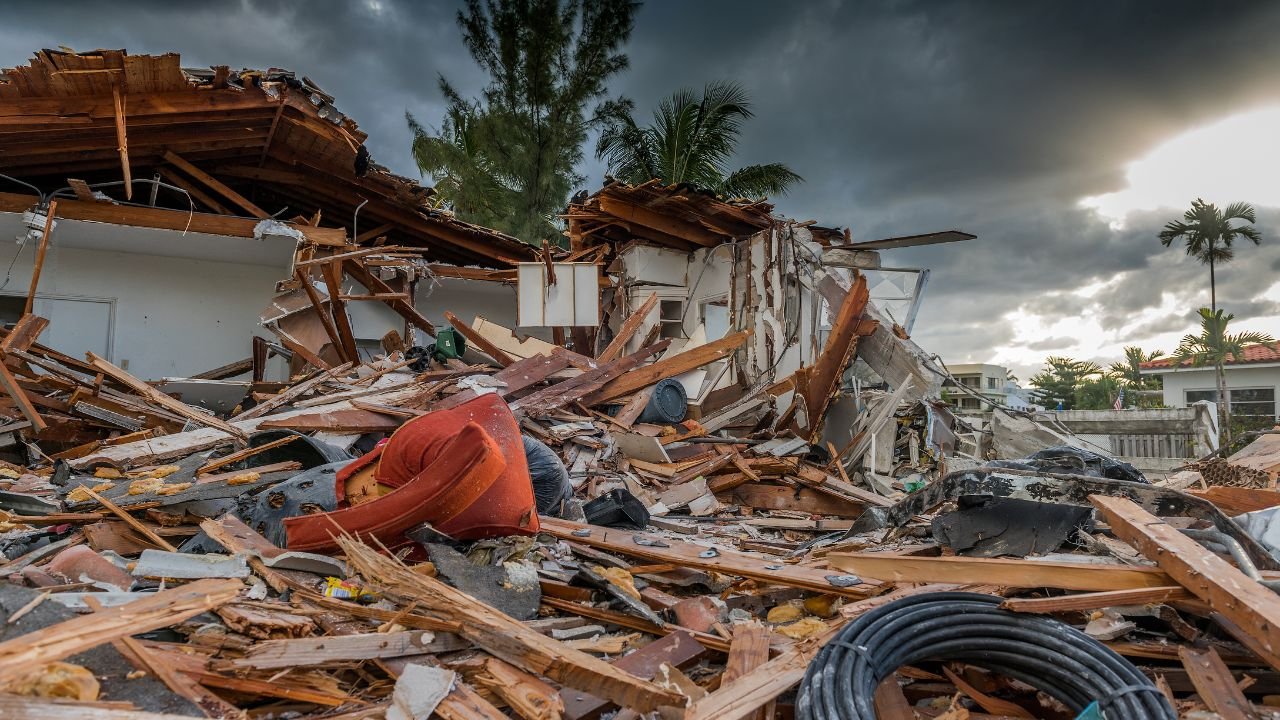
Like the calm before a storm, the aftermath of a hurricane reveals the true extent of its impact on our communities. We, the Storm Recovery Concrete Squad, play an essential role in evaluating the damage and facilitating recovery efforts across Florida. By harnessing advanced technology and collaborating closely with local residents, we guarantee that no detail is overlooked. But what exactly does our evaluation process entail, and how can it empower our community for future resilience?
Hurricane damage can be devastating, impacting communities and ecosystems alike. We’ve seen how winds can tear roofs off homes, uproot trees, and turn tranquil neighborhoods into landscapes of chaos. Flooding from storm surges and heavy rains can inundate streets, causing immediate destruction and long-term issues like mold growth. The aftermath doesn’t just affect buildings; it disrupts lives, displacing families and altering local economies.
When we think about the environment, hurricanes can erode coastlines, destroy habitats, and even impact wildlife migration patterns. The recovery process is complex, and understanding this damage is essential for effective rebuilding. By recognizing the types of destruction caused—be it structural, ecological, or emotional—we can better prepare for future storms and support those affected. Together, we can foster resilience in our communities and advocate for stronger infrastructure to withstand these powerful forces of nature.
After experiencing the devastating impacts of a hurricane, we must prioritize damage assessment as a key step in the recovery process. By evaluating the extent of the destruction, we can identify what needs immediate attention and allocate resources effectively. This phase allows us to gather crucial information about infrastructure, homes, and community services that may have been affected.
Through this assessment, we can also engage with local residents, understanding their specific needs and concerns. It’s essential that we involve the community in this process, as their insights can guide our recovery efforts. Furthermore, accurate damage assessments help us secure funding and support from governmental and non-governmental organizations.
Ultimately, a thorough damage assessment serves as the foundation for a successful recovery, enabling us to rebuild stronger and more resilient communities. Together, we can navigate the path to recovery, ensuring that no one is left behind.
As we commence the recovery process, the Storm Recovery Concrete Squad plays an essential role in rebuilding affected communities. Comprised of skilled professionals, our team focuses on addressing the urgent needs of those impacted by hurricanes. We recognize that concrete structures are crucial for stability and safety, which is why we prioritize restoring critical infrastructure such as roads, bridges, and homes.
Our squad works collaboratively with local authorities and community members to assess damage and outline effective repair strategies. We believe in open communication, keeping residents informed about our progress and involving them in decision-making whenever possible. With each project, we endeavor to not only restore but also enhance the resilience of communities against future storms.
Through our dedicated efforts, we aim to bring hope and stability back to neighborhoods, ensuring that families can return to their homes and rebuild their lives with confidence.
Building on our collaborative efforts in recovery, the key objectives of the Storm Recovery Concrete Squad focus on delivering effective and timely restoration of essential infrastructure. We prioritize evaluating the immediate needs of affected areas, ensuring that critical services like roads, bridges, and utilities are back up and running as swiftly as possible.
By utilizing advanced techniques and materials, we aim to enhance the durability of our repairs, minimizing future vulnerabilities. Our team works closely with local agencies and communities, fostering open communication to address specific concerns and gather invaluable feedback.
Additionally, we’re committed to training local workforce members, empowering them with skills that will not only assist in recovery but also bolster future resilience. Ultimately, our goal is to restore normalcy for residents while setting the groundwork for a stronger, more prepared community moving forward. Together, we can rebuild and thrive after these challenging events.
Evaluating structural integrity post-hurricane is essential for guaranteeing the safety and stability of affected buildings and infrastructure. We all know that hurricanes can cause severe damage, leaving structures vulnerable. Our first step is to visually inspect the exterior, looking for cracks, buckling, or any signs of distress. We also assess the roof and foundation, as these areas are critical for overall stability.
Next, we’ll examine the interior, checking for water intrusion, mold, and structural support issues. It’s important to document all findings accurately, as this information guides our next actions. We’ll often consult with engineers to determine if a building is safe for re-entry or requires further repairs. By taking these steps, we help guarantee that properties can be restored effectively, allowing families and businesses to recover and rebuild. Together, we’ll work towards a safer future for our communities.
As we explore advanced techniques for damage evaluation, we’ll see how drone technology can offer a bird’s-eye view of affected areas, making assessments quicker and safer. Combining this with structural integrity analysis and geographic information systems gives us a thorough approach to understanding the impact of hurricanes. Together, these tools enhance our ability to evaluate damage efficiently and accurately.
While traditional methods of damage assessment can be time-consuming and labor-intensive, drone technology is revolutionizing how we evaluate hurricane destruction. Drones allow us to quickly capture high-resolution aerial images of affected areas, providing a thorough view of the damage. They can access hard-to-reach locations, ensuring we don’t miss any critical information. With advanced imaging and thermal capabilities, drones can identify hidden structural issues that might not be visible from the ground. This technology not only speeds up the assessment process but also enhances accuracy, allowing us to make informed decisions about recovery efforts. By incorporating drones into our damage evaluation, we’re improving efficiency and effectiveness, ultimately helping communities recover faster from devastating storms.
Evaluating the structural integrity of buildings post-hurricane is essential for ensuring safety and guiding recovery efforts. We use advanced techniques like non-destructive testing to assess damage without compromising the structure. Methods such as ultrasonic testing and ground-penetrating radar help us identify hidden issues, like cracks or weakened materials, that may not be visible to the naked eye. By combining these techniques with careful visual inspections, we gain an extensive understanding of each building’s condition. This analysis allows us to prioritize repairs and allocate resources effectively, ensuring that the most critical structures are addressed first. Ultimately, our goal is to restore safety and confidence within the community as we move forward in the recovery process together.
After evaluating structural integrity, we turn our attention to Geographic Information Systems (GIS) as a powerful tool for analyzing hurricane damage. GIS enables us to visualize and interpret data effectively, enhancing our recovery strategies. Here’s how we utilize it:
With GIS, we gain valuable insights that inform our decisions and improve our response to hurricane recovery efforts.
As we explore the tools and equipment used by our squad, it’s clear that having the right gear is essential for effective hurricane damage assessment. We rely on a combination of high-tech and practical tools to guarantee accuracy and efficiency. Drones equipped with cameras help us capture aerial views of damaged areas, allowing for a thorough visual inspection without putting ourselves in harm’s way.
We also utilize handheld GPS devices to map out affected zones and document specific damage locations. Our toolkit includes moisture meters to assess water damage and structural integrity. For physical inspections, we bring safety gear like helmets, gloves, and sturdy boots to protect ourselves in hazardous conditions.
Additionally, we carry portable generators and lighting equipment, guaranteeing we can work efficiently even in power outages. With these tools at our disposal, we can conduct extensive assessments and contribute to the recovery process effectively.
Now that we’ve covered the tools and equipment, let’s walk through the assessment process together. We’ll start with the initial site inspection, then explore effective damage documentation techniques before wrapping up with how we develop a recovery plan. Each step is vital in ensuring we address the impact of the hurricane thoroughly and efficiently.
When we begin the initial site inspection after a hurricane, our primary goal is to swiftly assess the extent of the damage. This vital step helps us prioritize recovery efforts effectively. During our inspection, we focus on these key areas:
Effective damage documentation techniques are essential to accurately capturing the extent of destruction caused by a hurricane. We begin by taking thorough photographs of the affected areas, ensuring we capture details from multiple angles. This visual evidence helps illustrate the severity of damage. Next, we compile written descriptions, noting specific damages to structures and landscapes. Using checklists can streamline this process, ensuring we don’t overlook anything. We also recommend collecting data on the date and time of the assessment, as well as any weather conditions that might influence our findings. Finally, recording verbal accounts from affected residents can provide valuable context. By employing these techniques, we create a detailed record that aids in recovery efforts and insurance claims.
With a thorough damage assessment in hand, we can turn our attention to developing a robust recovery plan. This plan will guide us through the restoration process and guarantee we address all critical areas. Here’s how we’ll structure our recovery:
As we assess hurricane damage, collaborating with local authorities becomes essential for a thorough evaluation. By working closely with local officials, we gain valuable insights into the specific needs of the community and the resources available for recovery. These partnerships help us gather accurate data on the extent of the damage, guaranteeing that our assessments are complete.
Local authorities often have firsthand knowledge of affected areas, which can guide us in prioritizing our efforts. They can also facilitate access to critical infrastructure and provide logistical support during the recovery process. By aligning our goals with theirs, we enhance our effectiveness and promote a unified approach to recovery.
Additionally, staying in touch with local agencies ensures we’re aware of any updates or changes in regulations that may arise post-hurricane. Together, we can forge a path toward rebuilding stronger, more resilient communities, making the recovery process smoother for everyone involved.
While evaluating damage and planning recovery, we must prioritize safety above all else. A safe recovery process not only protects our team but also guarantees the well-being of the community we serve. Here’s how we can focus on safety during our recovery efforts:
Many communities have shown remarkable resilience in the face of disaster, demonstrating effective strategies for recovery that we can learn from. For instance, after Hurricane Irma, a small Florida town implemented an extensive recovery plan that focused on immediate needs and long-term rebuilding. They coordinated with local agencies, ensuring everyone had access to resources like food, water, and temporary shelter.
In another case, a coastal community used innovative approaches to restore their infrastructure, incorporating sustainable materials and practices. This not only sped up the recovery process but also enhanced their resilience against future storms.
These case studies highlight the importance of collaboration, planning, and adaptability in recovery efforts. By examining their successes, we can adopt similar strategies in our own communities, paving the way for a more efficient and effective response when disaster strikes. Together, we can build back stronger and smarter.
Involving the community in the assessment process not only empowers residents but also secures that recovery efforts are grounded in local knowledge and needs. By engaging with our neighbors, we can create a more effective and tailored recovery strategy. Here’s how we can actively involve the community:
Together, we can build a stronger, more resilient community that truly reflects our collective needs and priorities.
Timely damage assessment is essential for effective recovery, as it allows us to identify urgent needs and allocate resources where they’re most needed. When a hurricane strikes, we can’t afford delays. The quicker we assess the damage, the faster we can address vital situations like downed power lines or flooded homes.
This prompt action not only helps save lives but also sets the stage for a smoother recovery process. By prioritizing immediate needs, we can work together to restore essential services and support affected communities more efficiently.
Additionally, timely assessments facilitate better communication with agencies and organizations that provide aid. They need accurate information to deploy their resources effectively, and we play a significant role in delivering that.
Ultimately, our commitment to swift damage assessment fosters resilience and strengthens our communities, enabling us to rebuild and recover as quickly as possible after a devastating storm.
As we look ahead, we can enhance our damage assessment techniques by integrating advanced technology and data analytics. By embracing innovation, we can provide quicker and more accurate evaluations of hurricane impacts. Here are four improvements we envision:
As we look to the future, strengthening our infrastructure standards is vital for withstanding hurricanes. Together, we can also enhance community preparedness initiatives to guarantee everyone knows how to respond effectively. By taking these steps, we can build a more resilient environment for future storms.
While we can’t prevent hurricanes from occurring, we can take significant steps to strengthen our infrastructure standards and build resilience for the future. By focusing on key areas, we can guarantee our communities are better prepared. Here are four essential strategies:
Together, we can create a more resilient environment that stands strong against future storms.
To effectively build resilience against future hurricanes, we must prioritize community preparedness initiatives that empower individuals and families. By fostering strong communication networks, we can share crucial information about evacuation routes, shelter locations, and emergency contacts. Engaging in local workshops helps us learn essential skills, like first aid and disaster response, making us better equipped to face challenges together. We can also organize community drills that simulate hurricane scenarios, ensuring everyone knows their roles and responsibilities. Encouraging neighborhood watch programs can enhance safety and support during crises. Ultimately, when we collaborate and strengthen our community ties, we not only prepare ourselves for the worst but also cultivate a spirit of unity that will carry us through any storm.
To prepare for future hurricanes, we should start by creating a thorough emergency plan together. Let’s gather supplies like water, non-perishable food, and first aid kits. We can also secure our homes by reinforcing windows and doors and clearing yard debris. It’s essential to stay informed about the latest forecasts and evacuation routes. By working as a team, we can guarantee our families are ready and safe when storms approach.
Immediately after a hurricane strikes, we should first guarantee our safety. Let’s check for hazards like downed power lines and gas leaks. We need to avoid floodwaters and stay indoors until it’s safe. Once it’s clear, we can assess damage to our property, take photos for insurance, and begin to document everything. It’s also a good time to reach out to neighbors and check on their well-being. Together, we’ll navigate the recovery process.
After a storm’s fury, when debris blankets the ground like fallen leaves, we plunge into the damage assessment. Typically, this process can take anywhere from a few days to several weeks, depending on the extent of the destruction and resources available. We gather data meticulously, ensuring every detail is captured. Our goal is to provide an extensive picture, allowing for effective recovery and rebuilding efforts, so we can restore our community together.
Absolutely, we can participate in the assessment process as community members! We often have valuable insights and local knowledge that can help in understanding the extent of the damage. By volunteering our time, we can assist teams in collecting data and sharing our experiences. It’s a great way to contribute to our community’s recovery while ensuring that our voices are heard in the process. Let’s come together and make a difference!
Did you know that over 40% of homeowners in hurricane-prone areas lack adequate insurance coverage? When it comes to hurricane damage assessments, standard homeowners insurance typically covers the costs, but flood insurance is essential if water damage occurs. We should also consider additional policies like windstorm insurance for thorough protection. Understanding these options helps us guarantee we’re adequately prepared for potential hurricane impacts and the subsequent assessment process.
 Call Now