
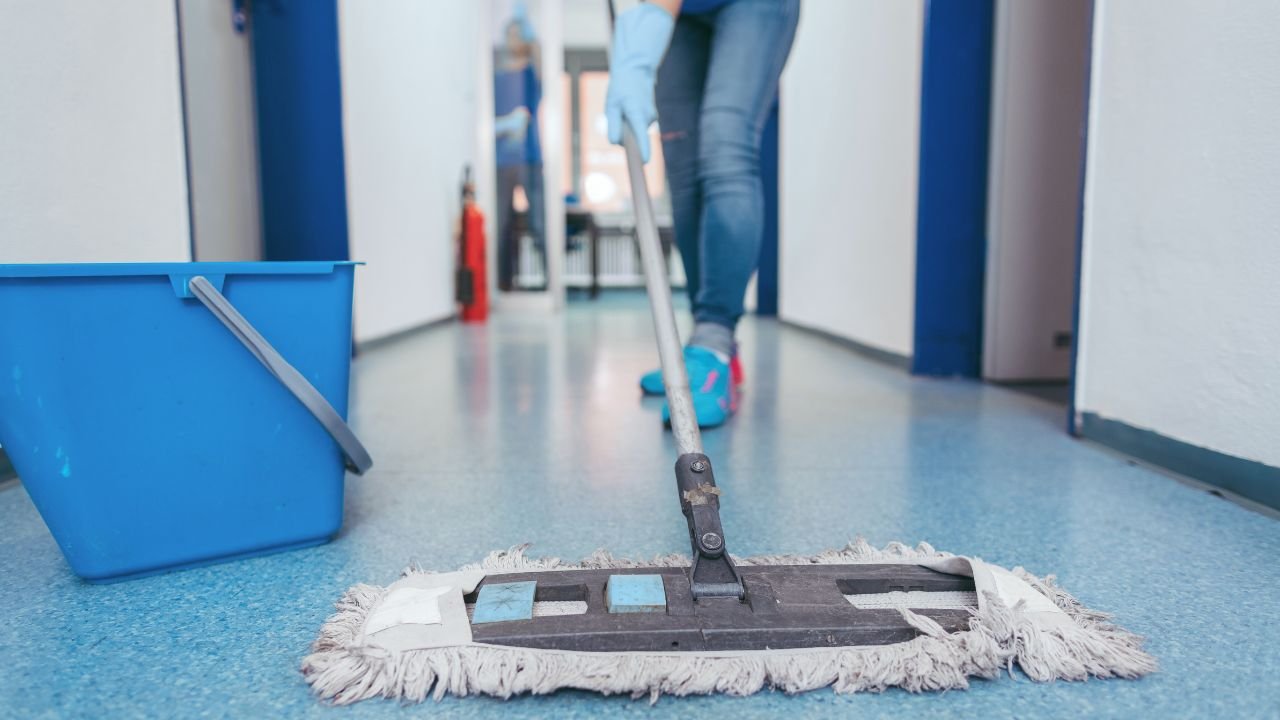
When it comes to laboratory floor installation, we acknowledge the critical role flooring plays in maintaining a safe and efficient environment. Choosing the right materials and installation methods is essential for compliance and performance. With various options available, it’s important to weigh their benefits carefully. Let’s explore how our expertise at Scientific Concrete Squad Florida can help create the perfect flooring solution tailored to your lab’s needs. What factors should we consider first?
When it comes to laboratory environments, the right flooring isn’t just a detail—it’s essential. We all know that laboratories require specific conditions to function safely and efficiently. The flooring plays a significant role in maintaining those conditions. A well-chosen floor helps prevent accidents, supports cleanliness, and enhances durability, ensuring our workspace can handle the demands of daily activities.
Moreover, flooring impacts our comfort and productivity. A smooth, even surface reduces strain on our feet and backs, allowing us to focus on our tasks. We also need to reflect on the chemical resistance of the flooring, as spills can happen. Choosing a floor that withstands harsh substances is critical for safety and longevity.
In essence, investing in quality laboratory flooring not only safeguards our environment but also boosts efficiency. Let’s take the time to understand our options and make informed choices that serve our needs best.
When we think about laboratory flooring options, two popular choices often come to mind: epoxy and vinyl. Both materials offer unique benefits that cater to the specific needs of a lab environment. Let’s explore what makes each of these flooring types stand out.
Epoxy flooring stands out as a top choice for laboratory environments due to its impressive durability and resistance to chemicals. We can all agree that when it comes to creating a safe and efficient workspace, epoxy flooring offers several key benefits:
Choosing epoxy flooring not only enhances the lab’s functionality but also contributes to a healthier work environment. We believe these advantages make it a smart investment for any laboratory setting.
While epoxy flooring offers numerous benefits for laboratory environments, vinyl flooring also presents a compelling option worth considering. Vinyl flooring is highly versatile, available in various styles and colors, allowing us to customize our lab spaces according to specific needs. It’s incredibly durable and resistant to moisture, chemicals, and stains, making cleanup a breeze. Additionally, vinyl provides excellent slip resistance, which enhances safety in busy lab environments. Its sound-absorbing properties also help maintain a quieter workspace. Installation is generally quicker and more cost-effective than epoxy, enabling us to minimize downtime. With its combination of practicality and aesthetics, vinyl flooring is an excellent choice for laboratories looking for both functionality and style.
When we consider flooring for our laboratory, epoxy flooring stands out for its impressive durability and longevity. It’s not just tough; it also makes maintenance and cleaning a breeze. Let’s explore how these advantages can benefit our workspace.
As we consider flooring options for our laboratories, the durability and longevity of epoxy flooring stand out as key advantages. This type of flooring is designed to withstand the rigors of a lab environment, ensuring we don’t have to worry about frequent replacements. Here are some reasons why epoxy flooring excels in durability and longevity:
With these features, we can invest in a flooring solution that not only lasts but also maintains its integrity over time, creating a safe and efficient workspace.
Building on the durability and longevity of epoxy flooring, its easy maintenance and cleaning make it an even more appealing choice for our laboratories. With a seamless surface, we don’t have to worry about dirt and grime getting trapped in cracks or crevices. Regular sweeping and occasional mopping with a mild detergent keep it looking pristine. Plus, epoxy’s resistance to spills and stains means we can quickly wipe up any accidental messes without long-term damage. This not only saves us time but also guarantees a safe and hygienic environment for our work. By choosing epoxy flooring, we simplify our cleaning routines, allowing us to focus more on our research and less on maintenance tasks.
Laboratory floors must withstand rigorous daily activities, making durability and longevity essential factors in their selection. When we choose flooring for our labs, we focus on materials that can endure heavy traffic, chemical spills, and constant wear. This guarantees our investment pays off over time. Here are some key attributes we consider:
As we consider safety in laboratory flooring, we need to prioritize slip resistance to prevent accidents. Managing chemical spills effectively is vital, and having proper static dissipation solutions can protect both our equipment and ourselves. Let’s explore these essential safety features to guarantee a secure laboratory environment.
When we evaluate the flooring in a laboratory setting, ensuring adequate slip resistance is essential for maintaining a safe work environment. A slippery floor can lead to serious accidents, so we must prioritize materials that provide suitable traction.
Here are some key factors to evaluate for slip resistance:
Effective chemical spill management is crucial for maintaining safety in laboratory settings. We must guarantee that our laboratory flooring can withstand spills and facilitate quick clean-up. Choosing the right flooring material is critical; it should be resistant to chemicals and easy to clean. When spills occur, we need to act promptly and follow established protocols. This includes using appropriate absorbent materials and protective gear. We should also have spill kits readily available, making certain everyone knows their location. Regular training on spill response is essential to keep our team prepared. By prioritizing effective chemical spill management, we can minimize risks and create a safer environment for everyone working in the lab.
Static electricity can pose significant risks in laboratory environments, especially when handling sensitive electronic equipment or flammable materials. To mitigate these risks, we need effective static dissipation solutions. Here are some strategies we can implement:
Although maintaining cleanliness in laboratory environments can seem challenging, we can simplify the process by implementing a consistent cleaning routine. Regularly scheduled cleaning not only helps us uphold safety standards but also prolongs the life of our flooring.
We should start by using appropriate cleaning agents specifically designed for laboratory surfaces. Avoiding harsh chemicals that could damage the floor is essential. Daily sweeping or vacuuming removes debris, while deep cleaning weekly keeps contaminants at bay.
In addition, we must pay attention to spills immediately; this prevents accidents and staining. Using mats at entry points can minimize dirt and moisture brought in from outside.
When we think about laboratory flooring, the acoustic properties play an important role in creating a productive environment. We should consider sound insulation techniques and impact noise reduction to minimize distractions and enhance focus. Additionally, the choice of materials can greatly influence these acoustic qualities, making it essential to select wisely.
To guarantee ideal performance in a laboratory setting, we must prioritize sound insulation techniques that enhance the acoustic properties of flooring. Proper sound insulation not only minimizes distractions but also helps maintain a focused work environment. Here are some effective techniques we can implement:
As we consider the acoustic properties of laboratory flooring, addressing impact noise reduction becomes essential for maintaining a productive environment. High levels of impact noise can disrupt concentration and hinder communication among team members. To combat this, we should focus on flooring materials that absorb sound and minimize vibrations. For instance, incorporating resilient underlayments can markedly dampen noise generated from foot traffic and equipment movement. Additionally, selecting flooring with sound-absorbing qualities enhances overall acoustics, creating a quieter workspace. By prioritizing impact noise reduction, we can foster an atmosphere conducive to research and collaboration. Ultimately, our choice in flooring not only impacts our comfort but also influences the quality of work produced within the laboratory.
Selecting the right materials for laboratory flooring is essential not only for durability and safety but also for optimizing acoustic properties. We often overlook how sound can impact the productivity and focus of lab work. The right flooring can greatly reduce noise levels, creating a more conducive environment for research and collaboration.
Here are key factors to take into account in material selection:
When we consider the unique challenges of laboratory environments, chemical resistance becomes a critical factor in floor installation. Laboratories often handle a variety of hazardous substances, including acids, solvents, and reactive materials. Choosing a flooring solution that can withstand these chemicals is vital to maintain safety and integrity.
We need to evaluate materials like epoxy, polyurethane, or specialized concrete that demonstrate high resistance to chemical spills and stains. These options not only protect the underlying structure but also simplify cleaning and maintenance, reducing downtime.
It’s important to remember that the right floor can minimize risks associated with chemical exposure, promoting a safer workspace for everyone. Additionally, testing the specific chemicals your lab will use against the flooring material guarantees long-term performance. By prioritizing chemical resistance, we create a resilient environment that supports our scientific endeavors effectively.
While we often focus on functionality and safety in laboratory spaces, aesthetics play an essential role in creating an inviting and efficient work environment. A well-designed lab can boost morale and productivity by fostering a positive atmosphere. Here are some key aesthetic considerations we should keep in mind:
As we commence on the installation process for laboratory floors, it’s crucial to prioritize both functionality and compliance with safety standards. First, we assess the specific needs of the laboratory, confirming we comprehend the type of activities that will take place. We then prepare the subfloor, addressing any imperfections to create a stable foundation.
Next, we select the appropriate flooring material, considering factors like durability, chemical resistance, and ease of maintenance. Once we have our materials, we begin the installation, carefully applying adhesives and guaranteeing proper alignment.
Throughout this process, we monitor environmental conditions, like temperature and humidity, to ensure ideal adhesion. After installation, we conduct thorough inspections to verify everything meets regulatory standards. Finally, we’ll provide guidance on maintenance to keep the floors in excellent condition. By following these steps, we establish a reliable and safe laboratory environment.
After completing the installation process, we can explore the various customization options available for lab flooring. Tailoring our flooring to meet specific needs not only enhances functionality but also boosts safety and aesthetics. Here are some options we can consider:
When we consider the cost factors in laboratory floor installation, it’s essential to account for multiple variables that can impact the overall budget. First, the choice of flooring material plays a significant role; options like epoxy, vinyl, or polished concrete each come with different price points. Next, we should think about the size of the space. Larger areas generally require more materials and labor, which can drive up costs.
Additionally, the complexity of the installation process can affect pricing. For instance, if we need to incorporate specific features, like drainage systems or anti-slip surfaces, that will add to our expenses. Labor costs can also vary based on the expertise required and the local market rates. Finally, we shouldn’t overlook potential site preparation costs, as any necessary repairs or leveling can further influence our budget. By understanding these factors, we can better plan our laboratory floor installation project.
Regulatory standards play an essential role in the selection and installation of laboratory flooring. These guidelines guarantee that our laboratories maintain safety, functionality, and compliance with industry requirements. When choosing flooring, we must consider several key factors:
Choosing the right flooring for our laboratories is only part of the equation; how we install it can greatly impact its performance and longevity. By opting for professional installation services, we guarantee that our flooring is laid correctly, minimizing the risk of future issues like cracking or peeling. Professionals bring expertise and experience, allowing them to navigate challenges that might arise during installation.
Moreover, they use high-quality materials and the latest techniques, which can save us time and money in the long run. With their knowledge of industry standards, we can trust that our laboratory floors will meet all necessary regulations.
Finally, professional installation often comes with warranties, providing peace of mind that we’re covered if any problems occur. By investing in expert services, we’re not just getting a floor; we’re enhancing the durability and safety of our laboratory environment.
As we explore successful laboratory floor installations, it’s clear that real-world examples can provide valuable insights into the effectiveness of various flooring solutions and installation techniques.
One notable case involved a pharmaceutical lab that required a durable, chemical-resistant floor. We utilized epoxy flooring, which not only met their stringent safety standards but also provided a seamless surface that minimized contamination risks.
Another project was with a research facility that needed a flexible flooring solution. We installed polished concrete, enhancing the aesthetic appeal while ensuring easy maintenance and longevity.
Lastly, a university laboratory opted for vinyl flooring for its sound-dampening properties, allowing for a quieter work environment without sacrificing functionality.
These installations highlight the importance of selecting the right materials and techniques tailored to specific lab needs. Key takeaways include:
Typically, the laboratory floor installation process takes anywhere from a few days to a couple of weeks, depending on several factors. We consider the size of the space, the type of flooring materials, and any additional customizations you may want. We’re here to guarantee everything runs smoothly and efficiently, minimizing disruption to your work. If you have specific needs, let’s discuss them, and we can provide a more tailored timeline for your project!
When it comes to warranty options for laboratory flooring, we’ve got a few solid choices to evaluate. Typically, manufacturers offer warranties ranging from 1 to 15 years, depending on the material and installation quality. These warranties cover defects and sometimes even wear and tear. It’s like a safety net, ensuring we’re protected against unexpected issues. We should always read the fine print to understand the coverage fully and choose what best suits our needs.
Yes, we can install laboratory floors over existing surfaces, but it depends on the condition and type of the current flooring. If the existing surface is stable, clean, and free of moisture, we’ll likely proceed without issues. However, we should assess the integrity and prepare the surface properly to guarantee a successful installation. Let’s discuss your specific situation to determine the best approach for your laboratory flooring needs.
When we think about eco-friendly flooring options, it’s like choosing a sustainable garden over a plastic one. We’ve got plenty of choices! Bamboo, cork, and recycled rubber are all great alternatives. These materials not only reduce our carbon footprint but also add a unique touch to our spaces. Plus, they’re durable and often easier to maintain. So, if we’re aiming for green solutions, we’ve got some fantastic options to explore together!
Choosing the right flooring contractor can feel overwhelming, but we can simplify it. First, we should check their credentials and experience. Next, let’s read reviews and ask for references to gauge their reputation. It’s also wise to discuss our specific needs and get detailed estimates. Finally, we must trust our instincts—communication is key, so we should pick someone we feel comfortable with. That’ll guarantee a smooth installation process for our flooring project!
 Call Now