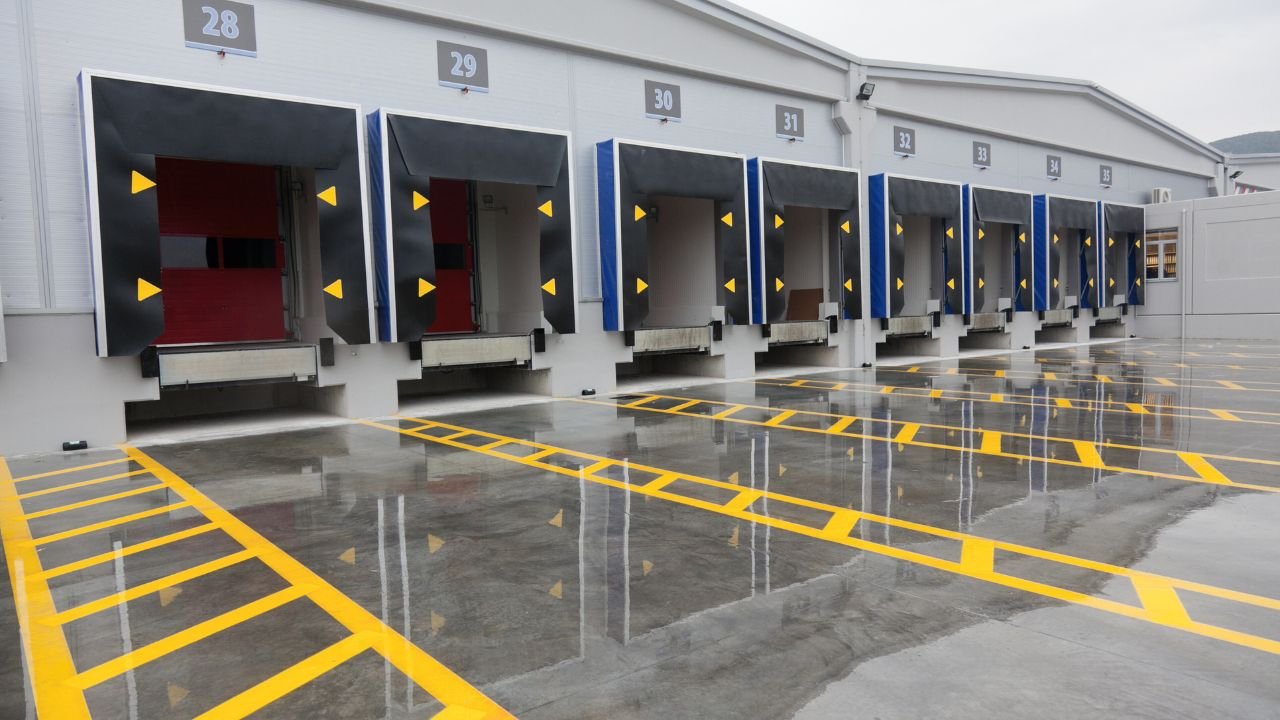
When it comes to loading dock construction, we believe it’s the backbone of any successful operation—without it, chaos reigns. At Industrial Concrete Squad in Florida, we recognize the intricacies involved in creating a dock that meets your unique needs. From materials to design, we have you taken care of. But what really sets us apart? Let’s explore the essential elements that make our loading dock solutions stand out.
When we think about the efficiency of our operations, a well-constructed loading dock stands out as a critical element. It serves as the gateway between our facilities and the outside world, impacting the flow of goods and the overall productivity of our business. A robust loading dock minimizes downtime by facilitating quick and safe loading and unloading processes. This efficiency not only saves us time but also reduces labor costs and mitigates the risk of accidents.
Moreover, the design of our loading dock can greatly influence how we manage inventory and logistics. By optimizing the layout, we can streamline operations and improve our supply chain management. Ultimately, investing in a quality loading dock isn’t just about functionality; it’s about enhancing our competitive edge in the marketplace. A well-designed loading dock reflects our commitment to operational excellence and sets the tone for a professional and efficient working environment.
Choosing the right materials for loading dock construction is essential for ensuring durability and efficiency. We often recommend using high-quality concrete, steel, and rubber to create a sturdy and functional loading dock. Each material serves a specific purpose and contributes to the overall performance of the dock.
Here’s a quick overview of commonly used materials and their benefits:
| Material | Benefits |
|---|---|
| Concrete | High strength, long-lasting, low maintenance |
| Steel | Durable, resistant to impacts, easy to customize |
| Rubber | Provides cushioning, prevents damage to cargo |
| Asphalt | Cost-effective, smooth surface for vehicles |
| Reinforcement | Increases load-bearing capacity, enhances longevity |
When designing loading docks, we need to prioritize traffic flow efficiency to streamline operations. Incorporating safety features is essential for protecting workers and minimizing accidents. Additionally, choosing the right materials can greatly impact the durability and functionality of the dock.
To maximize traffic flow efficiency at loading docks, we must carefully consider several design elements that influence how vehicles and personnel navigate the space. First, we should prioritize the layout, ensuring that lanes are wide enough for trucks to maneuver without obstruction. Next, we need to strategically position loading bays to minimize the distance between storage areas and the dock, allowing for quicker loading and unloading. Additionally, incorporating designated walkways for staff can help separate pedestrian and vehicle traffic, reducing congestion. Clear signage and markings should guide drivers and workers effectively, ensuring everyone understands the flow. By thoughtfully addressing these aspects, we can create a seamless operation that enhances productivity and reduces delays at the loading dock.
While we aim to optimize loading dock efficiency, integrating essential safety features is equally important. We must prioritize safety to protect our workers and equipment. Here are three key safety features to evaluate in loading dock design:
Guardrails and Bumpers: Installing these helps prevent vehicles from accidentally driving off the dock and protects workers from potential accidents.
Adequate Lighting: Proper lighting illuminates the entire loading area, reducing the risk of slips, trips, and falls during operations.
Emergency Stop Buttons: These should be easily accessible, allowing operators to halt operations immediately in case of an emergency.
Ensuring safety features like guardrails and adequate lighting lays a solid foundation for the loading dock’s functionality, but selecting the right materials is equally important in the design process. The materials we choose impact durability, maintenance, and overall efficiency. For instance, using high-quality concrete can withstand heavy loads and harsh weather, while steel reinforcements add structural integrity. We must also consider slip-resistant surfaces to enhance safety for workers. Additionally, incorporating sustainable materials not only benefits the environment but can also reduce long-term costs. By thoughtfully selecting materials, we create a loading dock that meets operational demands and prioritizes safety. Ultimately, a well-designed loading dock reflects our commitment to quality and efficiency in every aspect of construction.
Compliance with safety regulations is essential for loading dock construction, as it protects workers and minimizes risks. We all want a secure environment where operations can run smoothly. To achieve this, we must focus on key aspects of safety compliance:
Personal Protective Equipment (PPE): Ensuring that all workers wear appropriate PPE, such as helmets, gloves, and safety shoes, is non-negotiable.
Proper Training: Providing thorough training for all employees on safety protocols and emergency procedures is vital. This empowers our team to act effectively in any situation.
Regular Inspections: Conducting routine inspections of equipment and the loading dock area helps identify potential hazards early, allowing us to address them before accidents occur.
When we invest in professional loading dock construction, we’re not just enhancing our operational efficiency; we’re also guaranteeing long-term reliability and safety. A well-constructed loading dock minimizes the risk of accidents and injuries, creating a safer environment for our employees. It also increases productivity by allowing smoother loading and unloading processes, which can greatly reduce downtime.
Moreover, professional construction means we’re using high-quality materials and workmanship, which translates to lower maintenance costs over time. This durability guarantees that our loading dock can withstand heavy use and the elements without frequent repairs.
In addition, with professional design and construction, we’re able to optimize the layout for our specific needs, making our operations more streamlined. Ultimately, investing in expert loading dock construction pays off through improved safety, efficiency, and long-term cost savings, all of which contribute to our overall success.
How can we tailor our loading docks to meet the unique demands of our operations? Customization is key to guaranteeing our loading docks function efficiently and safely. We can incorporate several features to enhance our loading dock design:
Adjustable Dock Heights: This allows us to accommodate various truck sizes, minimizing loading and unloading time.
Specialized Dock Shelters: These protect our products from weather elements and improve energy efficiency, creating a comfortable working environment.
Integrated Safety Features: Adding guardrails, dock levelers, and anti-slip surfaces guarantees the safety of our team and minimizes accidents.
To guarantee our loading docks operate smoothly, we must also address effective drainage solutions. Proper drainage is vital in preventing water accumulation, which can lead to safety hazards and damage to equipment. We need to evaluate installing trench drains or surface drains strategically placed to handle excess water. These systems efficiently channel water away from the loading area, minimizing the risk of slips and falls.
Additionally, incorporating sloped surfaces can help direct water toward these drainage points. We should also contemplate regular maintenance, as keeping drains clear of debris is essential for peak performance.
Often overlooked, insulation and weatherproofing are critical components in loading dock construction that guarantee energy efficiency and protect against the elements. By prioritizing these strategies, we can enhance the durability and functionality of our loading docks. Here are three key elements we should consider:
Insulated Doors: Installing insulated overhead doors helps maintain temperature control, reducing energy costs and enhancing the comfort of the workspace.
Sealants and Gaskets: Applying high-quality sealants and gaskets around dock edges prevents air and water infiltration, protecting the interior from moisture damage.
Thermal Barriers: Incorporating thermal barriers in the construction process minimizes heat transfer, ensuring a stable environment for both products and personnel.
While we focus on building strong loading docks, maintaining them is equally essential for guaranteeing their longevity and peak performance. Regular inspections are vital; we should check for cracks, wear, and any signs of damage. Keeping the surfaces clean helps prevent slips and maintains a safe working environment.
We can also reduce wear and tear by confirming the dock levelers and seals are functioning properly. Lubricating moving parts regularly will keep them in good shape and extend their life. If we notice anything unusual, addressing it immediately can save us costly repairs down the road.
Lastly, we shouldn’t overlook the importance of proper drainage. Preventing water accumulation can reduce the risk of structural damage. By staying proactive with these maintenance tips, we can guarantee our loading docks remain reliable and efficient for years to come.
When we install loading dock equipment, we guarantee it meets the specific needs of our operations. Our experienced team works closely with you to ascertain that everything functions efficiently and safely. We focus on three key aspects during installation:
Choosing between concrete and asphalt for loading docks is essential, as each material offers distinct advantages and disadvantages. Concrete is incredibly durable and can handle heavy loads, making it ideal for high-traffic areas. Its lifespan often exceeds that of asphalt, giving us long-term value. Plus, concrete requires less maintenance, saving us time and money over the years.
On the other hand, asphalt can be less expensive upfront and typically has a quicker installation process. It provides a smoother surface, which can be beneficial for certain types of loading equipment. However, asphalt tends to require more maintenance and may not hold up as well under extreme weather conditions.
Ultimately, our choice will depend on factors like budget, traffic volume, and the specific needs of our operations. By weighing these pros and cons, we can make an informed decision that best suits our loading dock requirements.
As we consider materials like concrete and asphalt for loading docks, it’s also important to incorporate eco-friendly practices in our construction processes. By focusing on sustainability, we can reduce our environmental impact while still delivering high-quality results. Here are a few practices we can embrace:
When we consider the costs of loading dock projects, material quality and labor expenses play a significant role. Choosing high-quality materials can lead to better durability and reduced maintenance down the line, but it often comes with a higher upfront cost. Additionally, we need to factor in the expenses associated with skilled labor, as their expertise can greatly influence the project’s overall success.
Material quality greatly influences the overall cost of loading dock projects. When we choose superior materials, we guarantee durability and long-term performance, but it can also affect our budget. Here are three key factors to evaluate:
While we often focus on materials, labor expenses play an essential role in the overall cost of loading dock projects. Skilled labor is vital for guaranteeing the dock is built safely and efficiently. We need to take into account the wages of our workforce, which can vary based on experience and location. Additionally, project timelines can impact labor costs; longer projects typically mean higher expenses. It’s also important to factor in potential overtime, especially if we encounter unexpected delays. By planning effectively and communicating openly with our crew, we can minimize unnecessary costs. Ultimately, understanding labor expenses helps us create a more accurate budget and guarantees the successful completion of the loading dock.
As we commence on the loading dock construction project, careful planning and a well-defined timeline become essential for guaranteeing a smooth process and timely completion. To achieve this, we focus on three key elements:
Site Assessment: We evaluate the site’s condition and dimensions, allowing us to identify any potential challenges early in the process.
Scheduling: We outline a clear schedule that includes milestones for each phase of construction, guaranteeing everyone stays on track and accountable.
Resource Allocation: We determine and allocate the necessary materials and labor, optimizing our resources to prevent delays and guarantee efficiency.
Client testimonials and case studies offer invaluable insights into our loading dock construction services. We’ve had the privilege of working with various clients who’ve shared their experiences, showcasing the quality and efficiency we bring to every project. For instance, one client noted how our timely completion enabled them to ramp up operations without delays, greatly boosting their productivity.
Another case study highlighted our attention to detail and commitment to safety, which guaranteed a smooth workflow throughout the construction phase. Clients appreciate our transparent communication, making certain they’re informed at every stage of the process.
These testimonials reinforce our dedication to delivering exceptional results tailored to each client’s needs. We take pride in the positive feedback we receive, as it reflects our hard work and passion for what we do. It’s these stories that inspire us to continually improve and provide high-quality loading dock solutions.
It is understood that you might think loading docks wear out quickly, but they actually have a lifespan of 20 to 30 years with proper maintenance. Regular inspections and repairs can extend their durability, ensuring safety and functionality. We’ve seen how quality materials and construction practices make a significant difference. By investing in a robust loading dock, we can all enjoy long-term reliability and efficiency in our operations, making it a worthwhile addition to any facility.
Weather conditions greatly impact loading dock construction. Rain, snow, or extreme temperatures can delay our work, affecting material curing and structural integrity. We need to plan around these elements to guarantee safety and quality. For instance, pouring concrete in freezing temperatures requires additives to prevent freezing. By monitoring forecasts and adapting our schedules, we can minimize disruptions and maintain a high standard in our projects, assuring durability and functionality for the long haul.
Absolutely, there are several financing options available for loading dock projects. We can explore traditional bank loans, which often offer competitive rates. Additionally, some government grants and incentives might be available, especially for projects that enhance infrastructure. We can also consider leasing equipment or using lines of credit for more flexibility. It’s essential to assess what suits our budget and project needs best, and we can help navigate these options together.
Absolutely, loading docks can be retrofitted for existing buildings! We can assess the current structure and determine the best modifications needed to enhance functionality. Whether it’s adjusting height, adding equipment, or improving safety features, we’ve got options. Our team will guarantee the retrofit aligns with your building’s specifications and operational needs. By making these upgrades, we can greatly improve efficiency and workflow in your space.
When it comes to loading dock construction, we often stumble into common pitfalls like poor planning and overlooking safety regulations. It’s like building a house without a solid foundation; it just won’t hold up. We might underestimate space requirements or fail to account for equipment size, too. By prioritizing proper design and adhering to guidelines, we can keep our projects on track, ensuring they function smoothly and safely for everyone involved.
 Call Now