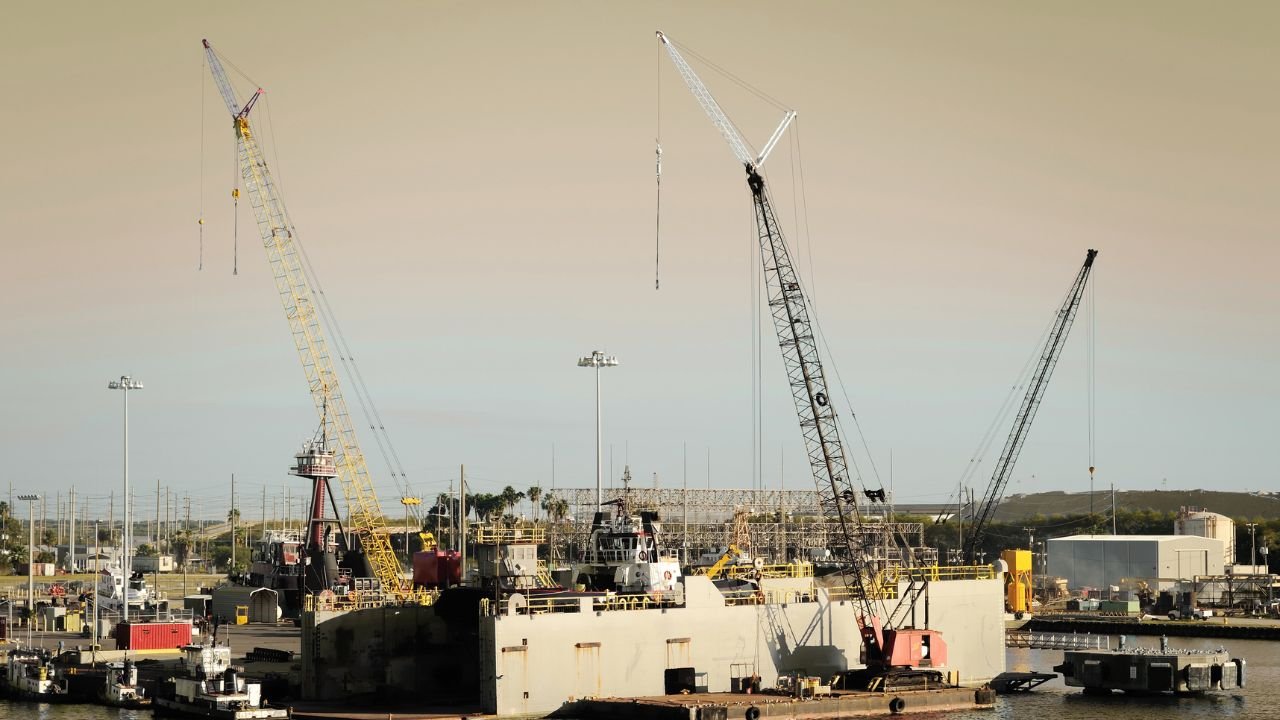
Did you know that over 70% of the world’s population lives near coastlines, making marine facilities essential for local economies? At the Harbor Concrete Squad in Florida, we comprehend the unique demands of constructing durable concrete structures in these environments. Our expertise addresses challenges like saltwater exposure and fluctuating water levels. But what innovative techniques do we use to guarantee the longevity and safety of these critical structures?
When we commence the construction of marine facilities, it is essential to understand the unique challenges and requirements involved. The marine environment presents specific obstacles, such as fluctuating water levels, saltwater exposure, and potential erosion. We must account for these factors early in the planning stages to guarantee a successful project.
Site selection plays an important role, as we need to evaluate not only the accessibility for construction but also the long-term sustainability of the facility. We often conduct thorough surveys to assess soil conditions and tidal influences, which can greatly impact our design choices.
Additionally, collaboration with marine engineers and environmental specialists helps us navigate regulatory requirements and environmental considerations. By working together, we can create innovative solutions that address both functionality and ecological impact. Ultimately, our goal is to develop resilient marine facilities that meet the needs of the community while respecting the delicate marine ecosystem.
When we consider marine environments, the quality of concrete becomes vital for ensuring longevity and safety. It’s essential that our concrete withstands corrosion and supports the heavy loads typical of these facilities. By focusing on durability and load-bearing capacity, we can create structures that truly stand the test of time.
As we explore the challenges of marine construction, the importance of using quality concrete becomes evident, especially in combating corrosion. In marine environments, concrete is constantly exposed to saltwater, moisture, and fluctuating temperatures, all of which can lead to deterioration. By choosing high-performance concrete mixes, we can enhance durability and create a barrier against these corrosive elements. This not only prolongs the lifespan of our structures but also reduces maintenance costs over time. Additionally, incorporating corrosion inhibitors and using proper curing techniques can greatly improve resistance. Ultimately, investing in quality concrete is vital for ensuring the longevity and integrity of marine facilities, allowing us to build confidently in these challenging conditions. Let’s prioritize durability to protect our investments.
While we often focus on durability, the load-bearing capacity of concrete in marine environments is equally essential for the success of our structures. When we’re designing and constructing marine facilities, we need to guarantee that our concrete can support the weight of heavy equipment, boats, and even the forces from waves and currents. High-quality concrete mixes with proper aggregates and admixtures help us achieve the strength and stability necessary for these demanding conditions. If we overlook load-bearing capacity, we risk structural failure, which could lead to costly repairs and safety hazards. By prioritizing both durability and load-bearing capabilities, we create resilient marine infrastructure that stands the test of time and meets operational demands effectively.
When working on coastal concrete projects, we face unique challenges that require careful planning. Saltwater corrosion can greatly impact the longevity of our structures, and we must consider how weather conditions affect our work. Let’s explore these challenges together and find effective solutions to guarantee durability in marine environments.
Coastal concrete work presents unique challenges, particularly due to saltwater corrosion, which can greatly weaken structures over time. To effectively combat this issue, we should focus on a few key strategies:
Use Corrosion-Resistant Materials: Selecting concrete mixes that include additives or coatings designed to resist saltwater exposure can enhance durability.
Implement Proper Drainage Systems: Ensuring effective drainage helps minimize water accumulation, reducing the potential for corrosion.
Regular Maintenance and Inspections: Routine check-ups allow us to identify early signs of corrosion and address them promptly, prolonging the life of our structures.
As we tackle coastal concrete work, we can’t ignore the significant impacts of weather on our structures. Coastal environments expose us to high humidity, salt spray, and intense storms, all of which can challenge the durability of concrete. We must consider temperature fluctuations, as extreme heat can accelerate curing, while cold can hinder it. Rain can lead to improper mixing and reduce the effectiveness of additives. Wind can also complicate placement, increasing the risk of dust and debris contamination. To combat these issues, we often employ specialized materials and techniques, guaranteeing our concrete withstands harsh conditions. By proactively addressing these weather-related challenges, we enhance the longevity and resilience of our marine facilities. Together, we can guarantee our projects stand strong against nature’s elements.
Frequently, we explore innovative techniques in marine concrete applications that push the boundaries of traditional construction methods. These advancements not only enhance durability but also improve efficiency and sustainability. Here are three techniques we find particularly effective:
Self-Compacting Concrete (SCC): This mix flows easily without the need for vibration, ensuring thorough filling of complex forms and reducing labor costs.
Corrosion-Resistant Additives: Incorporating these additives into our mixes helps combat the harsh marine environment, extending the lifespan of structures exposed to saltwater.
3D Printing: We’re beginning to utilize 3D printing technology, allowing for intricate designs and reducing material waste while speeding up the construction process.
When it comes to marine structures, we focus on building essential components like docks and piers, as well as bulkheads and seawalls. Each structure plays a vital role in ensuring safety and functionality in marine environments. Let’s explore how these constructions support coastal activities and protect shorelines.
Docks and piers serve as vital components in marine facilities, providing essential access to watercraft and supporting a range of maritime activities. We specialize in constructing durable and efficient docks and piers that enhance the functionality of marine spaces. Here are three key types we focus on:
In coastal environments where erosion and water management are critical, we construct bulkheads and seawalls to protect shorelines and stabilize marine structures. These structures act as barriers against waves and storm surges, preventing land loss and damage to properties. Bulkheads are typically vertical walls made of concrete, steel, or wood, designed to hold back soil and prevent erosion. Seawalls, on the other hand, are more robust and are built to absorb the energy of incoming waves. Both options require careful planning and skilled craftsmanship to guarantee they withstand harsh marine conditions. By investing in these protective structures, we help maintain the integrity of waterfront properties and support the local ecosystem, assuring a safer and more sustainable coastal environment.
While maintaining the integrity of our marine facilities, we must prioritize effective repair and maintenance services. These services not only enhance safety but also extend the lifespan of our structures. Here are three key aspects we focus on:
Routine Inspections: Regular assessments help us identify wear and tear before they escalate into major issues.
Timely Repairs: Addressing minor damages promptly prevents costly repairs down the line, ensuring our facilities remain operational and secure.
Preventive Maintenance: Implementing scheduled maintenance tasks allows us to upkeep essential components, reducing the risk of unexpected failures.
As we commence on marine construction projects, we must recognize the significant environmental considerations that come into play. Protecting delicate marine ecosystems is vital, as our actions can impact local wildlife and habitats. We need to assess the potential effects of noise, sediment, and chemical runoff on aquatic life during construction.
It’s important to conduct thorough environmental assessments before we start any project. By doing this, we can identify sensitive areas and implement measures to minimize disruption. We’ll also want to guarantee that our construction practices adhere to local regulations and guidelines aimed at safeguarding the environment.
Moreover, we should consider the long-term effects of our work, including how it interacts with rising sea levels and climate change. By prioritizing sustainability and ecological health, we not only fulfill our responsibilities but also enhance the longevity and functionality of our marine facilities. Together, we can build responsibly for future generations.
When we choose materials for coastal projects, we need to prioritize durability against corrosion and consider the environmental impact. These factors play a vital role in ensuring the longevity and sustainability of our structures. Let’s explore how we can make informed decisions that benefit both our projects and the surrounding ecosystem.
Selecting the right materials for coastal projects is essential because they face constant exposure to harsh marine conditions. To guarantee durability against corrosion, we must prioritize specific features in our material choices:
Considering the durability measures we’ve discussed, it’s equally important to evaluate the environmental impact of our material choices in coastal projects. When selecting materials, we should prioritize eco-friendly options that minimize harm to marine life and coastal ecosystems. For instance, using recycled aggregates and low-carbon concrete can greatly reduce our carbon footprint. We also need to assess how our choices affect water quality and coastal erosion. Collaborating with environmental specialists helps guarantee compliance with local regulations and promotes sustainable practices. By making informed decisions, we can build resilient facilities while protecting our beautiful coastlines. Together, let’s commit to selecting materials that not only stand the test of time but also respect and preserve the environment we cherish.
To guarantee our marine facility concrete work meets industry standards, we must prioritize compliance with marine regulations. Adhering to these regulations isn’t just about following rules; it secures safety and sustainability in our projects. Here are three key areas we focus on:
Material Standards: We use concrete and additives specifically designed for marine environments, securing durability against saltwater and weather conditions.
Environmental Protection: We implement measures to minimize the impact on marine ecosystems, such as using environmentally-friendly materials and preventing runoff.
Safety Protocols: We adhere to safety regulations for both our workers and the surrounding community, securing a safe working environment.
While many marine projects face unique challenges, we’ve successfully navigated these obstacles in several notable cases. One such project involved the construction of a deep-water dock in Florida, where we encountered tough soil conditions. By utilizing advanced concrete mixtures, we guaranteed the dock’s stability while meeting stringent timelines.
Another case involved a marina reconstruction after a severe storm. We collaborated closely with local authorities to design concrete structures that not only met safety standards but also enhanced resilience against future weather events. Through innovative techniques and teamwork, we completed the project ahead of schedule, which impressed the community.
Lastly, we tackled a waterfront park project that required blending aesthetics with functionality. Our concrete solutions provided both durability and visual appeal, ultimately creating a space for recreation and relaxation. These projects exemplify our commitment to overcoming challenges and delivering quality marine structures that stand the test of time.
As we plunge into the role of technology in marine concrete work, it’s clear that advancements have revolutionized our approach and outcomes. We’ve seen how integrating modern tools not only enhances efficiency but also improves the quality of our projects. Here are three key technologies transforming our industry:
Hiring a specialized concrete team can greatly enhance the success of our marine projects, especially when we consider the unique challenges of working in aquatic environments. These experts bring extensive knowledge of marine-grade materials, ensuring that our structures withstand harsh conditions like saltwater and shifting tides. Their experience allows us to navigate local regulations and industry standards effectively, reducing the risk of costly errors.
Additionally, a specialized team understands the importance of timing in marine construction. They can efficiently coordinate schedules around tides and weather, which helps us stay on track and within budget. With their advanced techniques and equipment, they’ll deliver high-quality results that meet our specific needs.
Ultimately, partnering with a specialized concrete team not only saves us time and money but also gives us peace of mind, knowing we’re relying on skilled professionals who prioritize safety and durability in every project.
Over the past few years, we’ve gathered numerous testimonials from clients who’ve experienced the benefits of working with our specialized concrete team. Their feedback inspires us and reflects our commitment to quality. Here are some highlights from our success stories:
Timely Project Completion: Many clients appreciate how we meet deadlines without compromising quality, ensuring their facilities are operational as planned.
Expert Craftsmanship: Our clients often mention the attention to detail and superior workmanship that sets us apart from other contractors.
Long-Lasting Solutions: We’ve received praise for our durable and resilient concrete work, which withstands harsh marine conditions, providing peace of mind for years to come.
These testimonials reinforce our dedication to exceeding expectations and remind us why we love what we do. If you’re considering a project, we’d be thrilled to help you achieve similar success!
While the marine construction industry evolves, we’re enthusiastic to explore the future trends shaping marine facility development. One significant trend is the increased use of sustainable materials and practices. By incorporating eco-friendly concrete and innovative technologies, we can minimize environmental impact while enhancing durability.
Additionally, smart technology is making its way into marine facilities. With advancements in sensors and automation, we can optimize operations and improve safety. Imagine facilities equipped with real-time data monitoring, allowing for smarter decision-making and maintenance.
Another trend we see is modular construction, which streamlines the building process. By prefabricating components off-site, we reduce construction time and costs, ensuring projects are completed more efficiently.
As we move forward, it’s clear these trends not only benefit the construction process but also contribute to more resilient and sustainable marine infrastructure. We’re enthusiastic to embrace these changes and shape the future of marine facility construction together.
As we embrace the future of marine facility construction, reaching out to the Harbor Concrete Squad can be a pivotal step in bringing your project to life. Our dedicated team is enthusiastic to collaborate and guarantee your vision becomes reality. Here’s how to get started:
Initial Consultation: Let’s discuss your project goals, timelines, and budget during an extensive consultation. We’ll gather all essential details to tailor our approach.
Site Assessment: We’ll conduct a thorough assessment of your site, identifying any unique challenges that may arise during construction.
Detailed Proposal: After evaluating your needs, we’ll provide a detailed proposal outlining our plan, materials, and costs, ensuring transparency throughout the process.
When it comes to marine concrete work, we typically see project timelines ranging from a few weeks to several months. It all depends on the project’s scope, size, and environmental factors. For instance, smaller repairs might take just a couple of weeks, while larger installations could extend beyond three months. We’re always mindful of weather conditions and tides, as they can greatly impact our schedule. Ultimately, planning and flexibility are key to successful completion.
Weather conditions greatly affect construction schedules. When it rains or storms, we can’t pour concrete or work on site safely, leading to delays. Extreme temperatures can also hinder the curing process, causing us to adjust timelines. We’ve learned to monitor forecasts closely and plan accordingly, ensuring we stay on track. By being proactive and flexible, we can mitigate weather-related setbacks and keep our projects moving forward as efficiently as possible.
When we step onto a marine construction site, we’re acutely aware of safety measures that protect us. We always wear personal protective equipment, like hard hats and life vests, ensuring everyone’s safety. Regular safety meetings keep us informed about hazards, while first aid kits and emergency plans are always at hand. By conducting thorough inspections and maintaining clear communication, we create a secure environment, allowing us to focus on our work without unnecessary worry.
Yes, there are specific permits required for marine concrete projects. We need to obtain permits from local, state, and federal agencies to guarantee compliance with environmental and safety regulations. These might include environmental impact assessments and navigational permits. It’s essential for us to research the requirements thoroughly and apply for the necessary permits early in the planning process. This helps avoid delays and makes certain our projects adhere to all legal standards.
When unexpected challenges arise, we tackle them like rivers carving through rock—adaptable and persistent. We assess the situation quickly, brainstorming solutions as a team. Communication is key; we keep everyone in the loop, ensuring no one’s left adrift. By pooling our expertise, we turn obstacles into opportunities for innovation. Staying flexible and open-minded allows us to navigate any storm, transforming challenges into stepping stones toward successful project completion.
 Call Now