
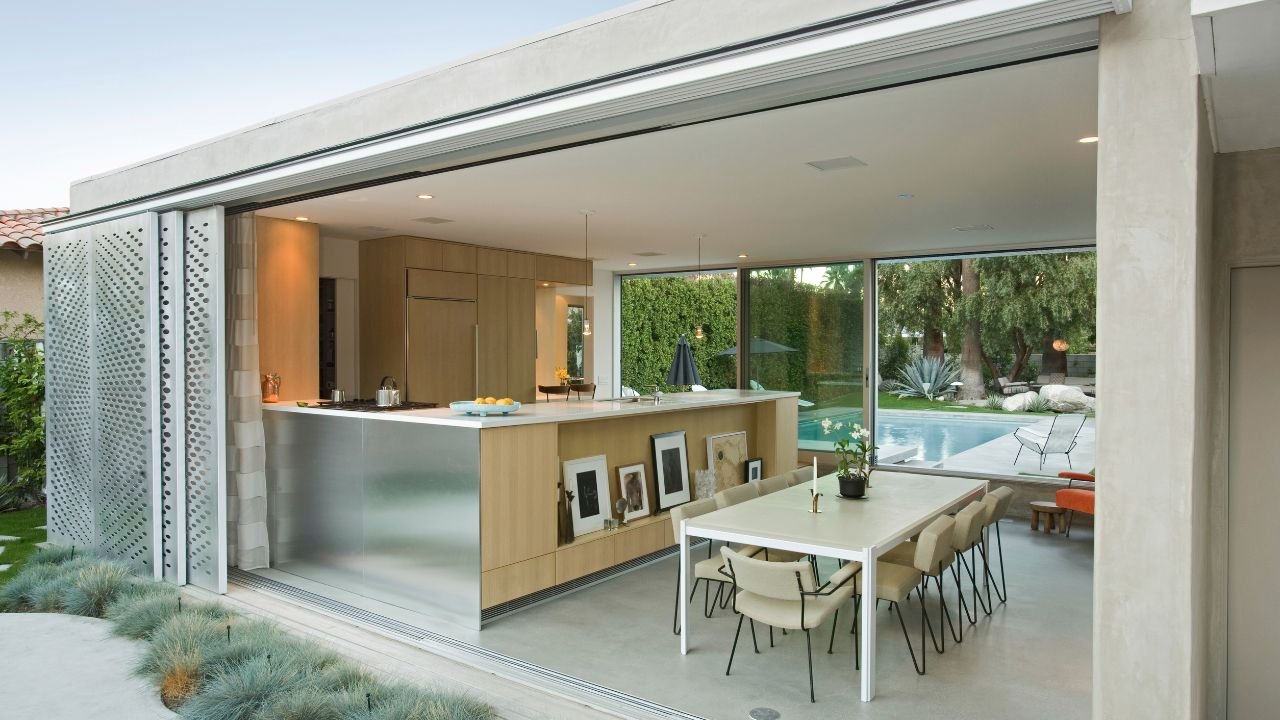
It’s a coincidence that outdoor dining has become such a sought-after feature in homes today. We all appreciate the charm of enjoying meals in fresh air, but creating the perfect outdoor dining area requires careful planning and execution. Let’s explore how we can transform your vision into a stunning space that enhances your lifestyle and brings comfort to your gatherings. What should we consider first?
As we embrace the joys of dining outdoors, the importance of outdoor dining areas becomes increasingly clear. These spaces allow us to connect with nature while enjoying meals with family and friends. Imagine savoring a delicious meal under the sun or starry sky; it’s a revitalizing change from indoor dining.
Outdoor areas also create an inviting atmosphere for entertaining guests. Whether it’s a casual barbecue or a festive gathering, these spaces enhance our experiences and foster relationships. Plus, they can increase our property value, making our homes more appealing to potential buyers.
Moreover, with the right outdoor dining setup, we can enjoy meals throughout various seasons. Investing in a well-designed outdoor area not only enriches our dining experience but also encourages us to spend more time outdoors. Ultimately, it’s about creating memorable moments in a beautiful, open environment.
Creating a stylish outdoor dining space requires careful consideration of key features that enhance both aesthetics and functionality. First, we should focus on comfortable seating options that invite guests to linger. Choosing weather-resistant materials guarantees longevity while maintaining a chic appearance.
Next, let’s think about the dining surface. A sturdy, well-designed table can be a focal point, accommodating various dining experiences from casual brunches to elegant dinners. Incorporating ambient lighting, like string lights or lanterns, can create a cozy atmosphere as the sun sets.
Additionally, don’t underestimate the impact of greenery. Potted plants or vertical gardens can add color and life, making the space feel inviting. Finally, consider adding a shade structure, like an umbrella or pergola, to provide comfort on sunny days. By integrating these elements, we can craft an outdoor dining area that’s both stylish and functional for memorable gatherings.
When we set out to choose the right location for our outdoor dining area, we need to evaluate the balance of sunlight and shade. It’s also essential to think about accessibility and how the space flows with the rest of our yard. Finally, let’s not forget to take advantage of any scenic views that can enhance our dining experience.
Finding the perfect balance of sunlight and shade is essential for an enjoyable outdoor dining experience. We want our guests to feel comfortable, whether they’re soaking up the sun or enjoying a cool breeze in the shade. Here’s a quick guide to help us choose the right location:
| Time of Day | Sun Exposure | Shade Options |
|---|---|---|
| Morning | High | Large umbrellas |
| Noon | Intense | Trees or pergolas |
| Afternoon | Moderate | Canopies |
| Evening | Low | Fire pits |
| All Day | Variable | Adjustable awnings |
To guarantee our outdoor dining area is both inviting and functional, we need to prioritize accessibility and flow. First, let’s choose a location that’s easy for guests to reach, ideally close to existing pathways or entrances. We should make certain there’s enough space for movement, allowing servers and guests to navigate comfortably without feeling cramped. Consider the layout of tables and chairs; they should be arranged to facilitate conversation while still providing ample room for people to walk around. Additionally, we must think about those with mobility challenges. Incorporating ramps or wide paths can enhance accessibility. By focusing on these aspects, we’ll create a welcoming environment that encourages guests to enjoy their dining experience.
While we want our outdoor dining area to be functional, it’s equally important to choose a location that offers scenic views. A beautiful backdrop enhances the dining experience, making meals more enjoyable. Let’s consider some key factors when selecting the perfect spot for our outdoor space.
| Factor | Consideration |
|---|---|
| Natural Surroundings | Look for lush landscapes, trees, or water features. |
| Sunlight Exposure | Guarantee adequate shade and light throughout the day. |
| Privacy | Choose a location that feels intimate and peaceful. |
| Accessibility | Make sure it’s easy for guests to reach. |
As we commence on designing our outdoor dining layout, we should prioritize creating a space that balances aesthetics with functionality. First, let’s consider the flow of movement. We need to guarantee that guests can easily navigate through the area without feeling cramped. By arranging tables in a way that allows for comfortable spacing, we promote a welcoming atmosphere.
Next, let’s think about seating options. Choosing a mix of tables and chairs, perhaps with some cozy lounge seating, can enhance the overall experience. We should also keep in mind the orientation of our space; positioning tables to capture sunlight while providing shade will keep guests comfortable during different times of the day.
Finally, incorporating elements like planters or decorative lighting can elevate the ambiance. By focusing on these aspects, we can create an inviting outdoor dining area where everyone feels at home.
When we think about the surfaces for our outdoor dining area, concrete often comes to mind for its durability and low maintenance. However, there are plenty of alternative materials that can bring style and comfort to our space. Let’s explore the benefits of concrete and other options we might consider for our outdoor dining surfaces.
Concrete surfaces offer numerous benefits for outdoor dining areas, making them an excellent choice for restaurants and cafes. First, they’re incredibly durable, able to withstand heavy foot traffic and the elements without cracking or fading. This durability translates to lower maintenance costs, as concrete requires minimal upkeep compared to other materials.
We can also customize concrete with various finishes, colors, and textures, allowing us to create a unique look that complements our dining atmosphere. Additionally, concrete’s thermal mass helps regulate temperature, keeping the area cooler in the heat. Finally, it’s eco-friendly, as many concrete mixes incorporate recycled materials. With all these advantages, we can see why concrete is a smart investment for any outdoor dining space.
While concrete is a popular choice for outdoor dining surfaces, we also have several alternative materials to evaluate that can enhance the dining experience. For instance, natural stone provides a rustic look and exceptional durability, making it perfect for outdoor settings. Wood decking offers warmth and a cozy feel, although it requires regular maintenance to prevent weathering. Another option is porcelain tiles, which are versatile and available in various styles, replicating the look of natural stone without the heavy upkeep. Finally, permeable pavers are an eco-friendly choice that allows for water drainage, reducing puddles. Each of these materials has distinct advantages, and together, we can choose the right one to suit your vision for the outdoor dining area.
As we design our outdoor dining area, choosing the right furniture is essential for creating a comfortable atmosphere. We want our guests to feel relaxed and at ease while enjoying meals outdoors.
Here’s a simple layout to contemplate:
| Table Type | Material | Comfort Level |
|---|---|---|
| Dining Table | Teak Wood | High |
| Lounge Chairs | Aluminum | Medium |
| Umbrella Stand | Steel | High |
Selecting durable materials like teak or aluminum guarantees our furniture withstands the elements. We can also enhance comfort with cushioned lounge chairs or benches that invite guests to linger. By strategically placing a dining table and lounge area, we create distinct zones for dining and relaxation. Ultimately, our goal is to craft a welcoming space where friends and family can gather, share stories, and create lasting memories outdoors.
To create a magical atmosphere for our evening gatherings, we should carefully consider our lighting solutions. Soft, warm lights can transform our outdoor dining area into a cozy retreat. String lights are a popular choice, bringing a festive vibe while illuminating the space just enough for conversations. We can also incorporate lanterns or candles on the tables to add a touch of elegance and intimacy.
For those who prefer a more modern look, LED fixtures can provide bright, energy-efficient lighting. We might consider installing dimmable options to adjust the ambiance as the night progresses.
Don’t forget about pathway lights—they’ll safely guide our guests while enhancing the aesthetic of our outdoor area.
After setting the mood with our lighting solutions, it’s important to think about how we can shield our outdoor dining space from the elements. Adding shade and shelter not only enhances comfort but also prolongs the usability of our space throughout the year. We can consider various options like pergolas, canopies, or even retractable awnings. These structures offer flexibility, allowing us to enjoy the sun when we want it or seek refuge from unexpected rain.
Additionally, we might explore natural options, like strategically placed trees or tall shrubs, which can provide shade while blending seamlessly into our design. Don’t forget about outdoor umbrellas for tables—they’re a quick and stylish way to block the sun. By thoughtfully adding shade and shelter, we create a welcoming environment, encouraging gatherings and ensuring our outdoor dining area remains a favorite spot, rain or shine.
When we think about creating an inviting outdoor dining area, incorporating landscaping is essential to enhance both aesthetics and functionality. A well-planned landscape can transform a simple space into a beautiful oasis, making it more enjoyable for gatherings. We can start by selecting native plants that thrive in our climate, ensuring low maintenance and vibrant colors throughout the seasons.
Adding elements like shrubs, flowers, or even small trees can create natural barriers for privacy and noise reduction. We might also consider incorporating decorative stones or gravel pathways to guide guests to the dining area, enhancing the overall flow of the space.
Finally, integrating outdoor lighting among the plants can create a warm, welcoming ambiance for evening meals. By thoughtfully blending landscaping with our design, we can achieve a harmonious atmosphere that brings our outdoor dining area to life, encouraging friends and family to gather and enjoy.
While we often think of wood or metal for outdoor dining structures, custom concrete solutions can offer unique designs that elevate our space. Concrete isn’t just durable; it allows us to express creativity in various ways. Here are some options we can explore to enhance our outdoor dining area:
With these custom solutions, we can transform our outdoor dining space into a unique, inviting area that reflects our style and enhances our experience.
As we plan our outdoor dining areas, focusing on sustainability is essential. We can choose eco-friendly materials, implement energy-efficient design practices, and adopt waste reduction strategies to create spaces that are both beautiful and environmentally responsible. Together, we can make a positive impact while enhancing our dining experiences.
Selecting eco-friendly materials for our outdoor dining area not only enhances the aesthetic appeal but also aligns with our commitment to sustainability. By choosing the right materials, we can create a space that’s beautiful and responsible. Here are some options we love:
Building on our commitment to sustainability, we can incorporate energy-efficient design practices into our outdoor dining area. By strategically placing awnings and natural shading elements, we can reduce heat gain and minimize the need for air conditioning. Using LED lighting not only enhances ambiance but also lowers energy consumption considerably. Additionally, we can install solar panels to harness renewable energy, powering our space sustainably. Choosing reflective materials for surfaces helps to keep the area cooler, further reducing energy use. Incorporating native landscaping can also lower irrigation needs and support local ecosystems. By implementing these practices, we create a comfortable outdoor dining experience while prioritizing energy efficiency, ultimately benefiting both our guests and the environment.
While we endeavor to create an inviting outdoor dining area, we must also focus on effective waste reduction strategies to enhance sustainability. Implementing these practices helps us minimize our environmental impact while providing a delightful experience for our guests. Here are some strategies we can adopt:
As we commence the journey of creating an outdoor dining area, it’s essential to establish a realistic budget that reflects our vision and needs. First, we should outline our priorities—what elements are must-haves versus nice-to-haves? This helps us allocate funds wisely.
Next, let’s consider the costs of materials, labor, and permits. Researching local prices can give us a clearer picture of overall expenses. It’s also wise to set aside a contingency fund for unexpected costs that may arise during construction.
Don’t forget to factor in furnishings and decor; these can considerably impact our budget. By planning carefully and staying flexible, we can create a beautiful outdoor space that aligns with our financial capabilities.
Finally, let’s keep communication open with contractors to guarantee we stay on track. With a thoughtful budget in place, we’re one step closer to enjoying our perfect outdoor dining experience.
To keep our outdoor dining area looking great, we need to prioritize regular cleaning and maintenance. Let’s create a seasonal checklist to guarantee we stay on top of any upkeep. By doing this, we can enjoy our space for years to come!
Since we all want our outdoor dining areas to remain inviting and functional, regular cleaning practices are essential. By keeping our spaces tidy, we enhance our dining experience and extend the life of our materials. Here are four simple cleaning tips we can follow:
With these practices, we can maintain a beautiful outdoor dining area for years to come!
Keeping our outdoor dining area clean is just one part of maintaining its appeal. As the seasons change, we should tackle a seasonal maintenance checklist to guarantee longevity. First, we’ll inspect our furniture for any wear and tear, tightening screws and replacing any damaged parts. Next, we should clean our surfaces thoroughly, using appropriate cleaners that won’t harm our materials. If we have cushions, it’s time to check for mold and mildew, washing or replacing them as needed. Don’t forget to clear debris from drains and gutters to prevent water damage. Finally, we can apply a protective sealant to surfaces if necessary, giving our outdoor space that extra layer of defense against the elements. By following these steps, we’ll keep our dining area inviting year-round.
As we explore transforming small spaces into inviting dining areas, we can reveal the potential of even the coziest outdoor spots. With a little creativity and planning, these areas can become perfect spaces for gathering. Here are four tips to get us started:
When we envision our ideal outdoor dining area, Al Fresco Concrete Squad is here to turn that dream into reality. We collaborate closely with you, ensuring your vision is reflected in every detail. Our process is straightforward, beginning with understanding your needs and preferences.
Here’s how we bring your ideas to life:
| Step | Description | Outcome |
|---|---|---|
| Consultation | We discuss your vision and requirements. | Clear understanding of goals. |
| Design | Our team creates customized designs. | Visual representation of plans. |
| Construction | Skilled craftsmen bring the design to life. | Quality outdoor dining area. |
| Finishing Touches | We add details like lighting and decor. | A complete, inviting space. |
With our expertise, your outdoor dining area will be functional, beautiful, and perfectly suited to your lifestyle. Let’s create an inviting space where you can enjoy meals with family and friends!
To construct an outdoor dining area in Florida, we’ll need several permits. Typically, we must secure a building permit, zoning permit, and possibly a special use permit, depending on local regulations. It’s essential we check with our city or county planning department for specific requirements. Additionally, we may need to address health and safety codes, especially if we’re serving food. Let’s make sure we cover all the necessary permits before starting our project!
We understand how exciting it is to envision a cozy outdoor dining space! Typically, constructing an outdoor dining area takes about four to eight weeks. This timeline can vary based on factors like design complexity and weather conditions. We’ll manage everything from permits to the final touches, ensuring you’re kept in the loop throughout the process. Soon enough, you’ll be enjoying those meals al fresco, surrounded by friends and the beauty of nature.
Yes, there are specific building codes for outdoor dining spaces in Florida. We need to take into account zoning regulations, safety standards, and accessibility requirements to guarantee compliance. Each municipality may have its own guidelines, so it’s essential we check local ordinances before starting. By doing this, we can create a safe and welcoming environment for diners while avoiding potential fines or legal issues down the line. Let’s make certain we’re fully informed!
Absolutely, we can install an outdoor dining area on a sloped yard! With a little creativity and planning, we can transform that incline into a beautiful space. Leveling the ground, using retaining walls, or building a multi-tiered deck are all options that allow us to create a practical and appealing dining area. Let’s embrace the slope and design a unique outdoor experience that enhances our enjoyment of nature while we dine!
The best season for starting outdoor dining area construction in Florida is typically late fall to early spring. During these months, we enjoy milder temperatures and lower humidity, making it easier for us to work efficiently. Plus, avoiding the summer heat helps guarantee our materials cure properly. By planning our project during this time, we can create a comfortable and inviting space for everyone to enjoy year-round. Let’s get started!
 Call Now