
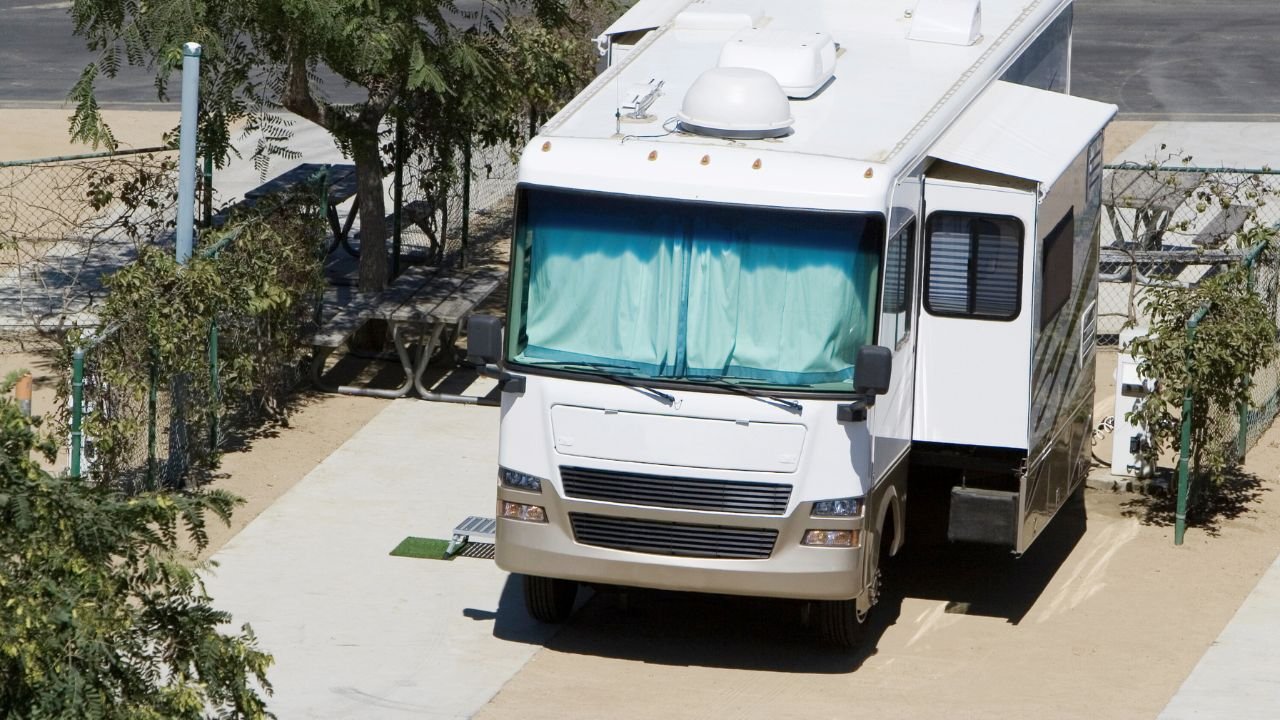
Many RV owners overlook the importance of a dedicated parking pad, which can greatly protect their investment and enhance property value. At Concrete Squad Florida Recreational, we recognize the nuances of RV parking pad construction. We focus on durability and aesthetic appeal tailored to your specific needs. By considering various factors, we can help you make informed decisions about your RV’s storage solution. Let’s explore how we can create the perfect space for your vehicle.
When we choose to install an RV parking pad, we reveal a host of benefits that simplify our lives. First, we gain a dedicated space for our RV, eliminating the hassle of searching for parking or worrying about street regulations. This convenience means we can easily access our vehicle for spontaneous trips or maintenance checks.
Additionally, having a parking pad protects our RV from the elements, reducing wear and tear while extending its lifespan. It also keeps our property looking tidy and organized, enhancing the overall aesthetic of our home.
Moreover, an RV parking pad can increase our property’s value, making it a wise investment. We also enjoy the peace of mind that comes from knowing our RV is secure and easily accessible. Overall, installing an RV parking pad not only simplifies our lives but also elevates our RV ownership experience.
Choosing the right location for our RV parking pad is essential, as it can greatly impact both convenience and accessibility. First, we should reflect on the proximity to our home. A pad close to the house makes loading and unloading easier, especially when we’re preparing for trips. Next, let’s think about the terrain. A flat, stable area helps guarantee a safe parking experience and prevents our RV from sinking or tilting.
We also need to check for overhead obstacles, like tree branches or power lines, that could pose a risk. Access to utilities, such as water and electricity, is another factor to evaluate, especially for longer stays. Finally, let’s be mindful of local zoning regulations, as they may dictate where we can place our pad. By carefully assessing these aspects, we can create a practical and functional space for our RV.
As we explore the design considerations for our RV parking pad, it’s essential to think about the dimensions and materials that will best suit our needs. We must consider the size of our RV, ensuring the pad is spacious enough for easy maneuvering. Additionally, the choice of materials impacts durability and aesthetics.
Here’s a quick overview of some common materials and their benefits:
| Material | Cost Estimate | Durability |
|---|---|---|
| Concrete | $3-$6 per sq ft | 20+ years |
| Asphalt | $2-$5 per sq ft | 15-20 years |
| Pavers | $10-$15 per sq ft | 25+ years |
| Gravel | $1-$3 per sq ft | 10-15 years |
| Grass | $0.5-$2 per sq ft | 5-10 years |
How can we guarantee that our RV parking pad complies with local regulations? First, we need to research our local zoning laws. These laws vary by area and dictate where we can park our RVs, the size of our pads, and whether we need permits. We should check our city or county’s official website for zoning ordinances, or contact local planning departments directly for clarity.
Next, let’s make certain we comprehend setback requirements, which specify how far our pad must be from property lines or structures. Some areas may also have restrictions on the type of surface materials we can use.
Lastly, if we’re part of a homeowners association, we should review their rules as well. By taking the time to grasp these regulations, we’ll avoid potential fines and guarantee our RV parking pad is both functional and compliant.
When we consider the longevity of our RV parking pad, selecting the right materials is vital for guaranteeing it withstands daily wear and tear. We want materials that offer durability, resistance to weather conditions, and the ability to support heavy loads. Concrete, for instance, is a popular choice due to its strength and longevity, while also requiring minimal maintenance. We should also think about additives that enhance durability, such as reinforcement fibers or sealers, which can protect against cracking and water damage.
On the other hand, we might explore other materials like pavers, which provide a versatile aesthetic and good drainage. However, they can require more upkeep. Ultimately, it’s essential that we choose materials that align with our needs, local climate, and budget. By prioritizing durability, we guarantee our RV parking pad remains functional and visually appealing for years to come.
Selecting the right materials for our RV parking pad often leads us to weigh the benefits of concrete versus asphalt. Both options have their merits, but they cater to different needs. Concrete’s durability is hard to beat; it can withstand heavy loads and resist cracking over time. Plus, it requires minimal maintenance, which is a definite plus for us RV enthusiasts.
On the other hand, asphalt has its advantages too. It’s generally cheaper and quicker to install, making it appealing for those working with a budget or timeline. Asphalt also provides a smoother surface, which can be easier on our RVs when we’re parking.
Ultimately, our choice depends on our specific requirements. If we prioritize longevity and low maintenance, concrete might be the way to go. However, if cost and installation speed are our main concerns, asphalt could be the better option. Let’s weigh these factors carefully!
Before we start building, we need to prepare the site properly. This means evaluating the land requirements, clearing any obstacles, and grading the area for a solid foundation. Let’s also make sure we mark the dimensions accurately to avoid any future issues.
As we prepare to construct our RV parking pad, evaluating the land requirements is essential to guarantee a stable and functional site. We need to take into account a few key factors to make sure we choose the right location:
Once we’ve assessed the land requirements, it’s time to clear and grade the site to prepare for construction. We begin by removing any vegetation, rocks, or debris that could interfere with our work. This helps us create a clean, level surface for the RV parking pad. Next, we use equipment like bulldozers and graders to guarantee the ground is even and properly sloped for drainage. Proper grading prevents water accumulation, which could damage the pad over time. We’ll also check for any underground utilities to avoid issues later on. By taking these steps, we set a solid foundation for our project, guaranteeing a durable and functional RV parking area that meets your needs. Let’s get started!
Accurately marking the dimensions of our RV parking pad is essential for a successful build. If we want to guarantee everything aligns perfectly, we should follow these key steps:
Taking these steps helps us visualize the space and prevents costly mistakes during construction. Let’s get this dimensioning right to guarantee a smooth build!
When we commence on constructing an RV parking pad, having the right tools and equipment is essential for a successful project. First, we’ll need a measuring tape to guarantee our dimensions are accurate. A level helps us keep the surface even, while stakes and string can outline the area effectively.
For excavation, a shovel or a mini excavator will make digging much easier. After that, we’ll require a tamper to compact the soil. When it’s time for concrete, a mixer will streamline the process, and a wheelbarrow allows us to transport it efficiently.
Finally, don’t forget safety gear like gloves, goggles, and a dust mask. With these tools at our disposal, we’re setting ourselves up for success and can tackle the project with confidence. Let’s gather everything we need and get started!
Before diving into the installation process for our RV parking pad, we should guarantee our site is prepared and all materials are on hand. Here’s our step-by-step approach:
Site Preparation: We’ll clear the area of debris and vegetation, ensuring a solid foundation for our pad. It’s essential to measure the space to fit our RV comfortably.
Forming: Next, we’ll build the forms using wood or metal to define the edges of our parking pad. This helps shape the concrete and keeps it contained during pouring.
Pouring Concrete: Finally, we’ll mix and pour the concrete into the forms, leveling it out with a screed. We’ll make sure it’s smooth and allow it to cure properly for strength.
To guarantee our RV parking pad remains functional and safe, we need to address drainage solutions right from the start. Proper drainage prevents water pooling, which can damage the pad and our RV. Here are some effective solutions we can consider:
| Drainage Solution | Description |
|---|---|
| French Drains | Trenches filled with gravel to redirect water. |
| Grading | Sloping the pad to encourage water runoff. |
| Permeable Pavers | Pavers that allow water to seep through, reducing runoff. |
| Catch Basins | Installed to collect and redirect excess water. |
| Gutters and Downspouts | Direct water away from the pad and RV. |
As we think about enhancing the aesthetics of our RV parking pad, choosing native plants can really make a difference in both beauty and sustainability. We can also consider adding decorative hardscaping features like stone paths or borders to create visual interest. Together, these elements will transform our parking area into a welcoming space.
When we choose native plants for our RV parking pad landscaping, we not only enhance the aesthetic appeal but also support local ecosystems. Native plants are adapted to our climate, requiring less water and maintenance. Here are three reasons why we should consider them:
Incorporating native plants into our landscaping not only beautifies our parking pad but also contributes positively to our environment. Let’s make choices that benefit both our space and the local ecosystem!
Incorporating native plants into our RV parking pad landscaping sets a solid foundation for enhancing the overall aesthetic. To elevate this further, we can introduce decorative hardscaping features that complement our natural elements. Consider adding stone pathways or paver patios, creating inviting spaces for relaxation. Decorative borders made from brick or timber can define areas, adding structure and style.
Incorporating features like fire pits or seating walls can transform our outdoor experience, making it perfect for gatherings. We should also think about lighting; accent lights along pathways or spotlights on key features can create a warm ambiance at night. By blending these hardscaping elements with our native plants, we create a visually appealing and functional environment that enhances our RV parking pad.
To guarantee our RV parking pad stands the test of time, we need to prioritize regular maintenance. By following a few simple steps, we can keep our pad in excellent condition, ensuring it serves us well for years to come.
Regular Cleaning: We should sweep away debris and wash the surface periodically to prevent stains and mold growth. A simple pressure wash can do wonders!
Sealant Application: Every couple of years, we must apply a concrete sealant. This protects against water damage and wear, extending the life of our pad.
Crack Repair: As soon as we notice any cracks, let’s fill them with concrete filler to prevent further damage. Ignoring small cracks can lead to bigger, costlier problems.
Maintaining our RV parking pad is only part of the equation; we also need to be mindful of the costs involved in its construction and upkeep. First, let’s consider the initial expenses. Concrete, materials, and labor can add up quickly, so it’s essential to get accurate estimates before diving in. We should factor in permits and any necessary site preparation, as these can vary greatly depending on our location.
Next, let’s think about ongoing maintenance costs. Regular upkeep may involve sealing, cleaning, and repairs, which can accumulate over time. Setting aside a budget for these expenses guarantees we’re not caught off guard later. Additionally, we might want to invest in durable materials upfront to minimize future costs.
How do we decide between hiring a professional and tackling the RV parking pad construction ourselves? It’s a big decision, and we need to weigh our options carefully. Here are three factors to evaluate:
Skill Level: Do we have the necessary skills and tools for the job? If not, hiring a pro may save us time and headaches.
Time Commitment: Can we dedicate our weekends or evenings to this project? Professionals can often complete the work much faster, allowing us to enjoy our RV sooner.
Budget: Are we trying to save money? While DIY might seem cheaper, we must factor in potential mistakes that could lead to costly repairs later.
As we think about our RV parking pad, it’s crucial to reflect on future-proofing it with durable materials and versatile designs. Choosing sturdy materials can withstand the test of time, while flexible design options can accommodate various RV sizes and styles. Let’s explore how these choices can enhance our parking space for years to come.
When we choose materials for our RV parking pad, we’re not just thinking about immediate durability; we’re also considering how well these materials will stand up to the test of time. Selecting the right materials guarantees our investment lasts. Here are three key considerations:
While planning our RV parking pad, we should consider versatile design options that not only meet our current needs but also anticipate future requirements. By opting for a wider pad, we’ll allow for potential upgrades, such as larger RVs or additional vehicles down the line. Incorporating features like built-in drainage systems can help manage water runoff, ensuring our space remains functional and attractive. Additionally, we might think about integrating landscaping elements that enhance the aesthetics while providing shade and privacy. Using modular designs lets us adapt the space as our needs change, making it easier to accommodate additional accessories like outdoor furniture or storage solutions. Ultimately, these choices help future-proof our parking area for years to come.
Typically, it takes us about two to three days to construct an RV parking pad, depending on the size and complexity. We start by preparing the site, then pouring the concrete, and finally, we allow it to cure properly. Weather conditions and any additional features, like drainage systems, can also affect the timeline. We always aim to keep our projects efficient while ensuring high-quality work you can trust for your RV needs.
Absolutely, we can build an RV parking pad on a slope! Picture it as crafting a cozy nest on a hillside—it’s possible with the right planning. We just need to guarantee proper drainage and stability, using retaining walls or gravel to secure the area. By leveling the surface and adjusting the design, we can create a safe and functional space for your RV, turning that sloped land into a perfect parking haven.
The best size for a standard RV parking pad is typically around 12 feet wide and 40 feet long. This size accommodates most RVs comfortably, giving us enough room to maneuver. If we have a larger RV or plan to include extra space for storage or accessories, we might consider a pad that’s 14 feet wide or longer. Always remember to check local regulations and space requirements for our specific needs!
Yes, we often need permits for building an RV parking pad, and about 70% of homeowners are unaware of this requirement. Local regulations vary, so it’s crucial to check with our local zoning office before we start. They can guide us on necessary permits, inspections, and any specific size or material requirements. By doing this, we guarantee our project meets all legal standards and avoids potential fines or complications down the road.
To determine if our soil’s suitable for a parking pad, we should start by checking its drainage and compaction. We can dig a small hole to see how quickly water drains and assess the soil type. If it’s sandy or loamy, we’re in good shape. Clay-heavy soil might need amending or extra drainage solutions. Testing the soil’s stability is also essential; we want a solid foundation for our parking pad.
 Call Now