Prestressed concrete is a fascinating innovation in construction that enhances strength and durability. We often implement this technique to achieve remarkable results in various projects. In Florida, our High-Performance Concrete Squad specializes in the meticulous installation of prestressed concrete, ensuring peak performance. But what exactly makes this installation process unique, and how can it benefit your next project? Let’s explore the ins and outs together.
Prestressed concrete is a groundbreaking construction material designed to withstand greater loads and resist cracking. By using high-strength steel tendons, we apply tension to the concrete before it’s subjected to service loads. This process enhances its structural integrity, allowing us to create thinner, lighter components while maintaining strength.
The prestressing process involves two primary methods: pre-tensioning and post-tensioning. In pre-tensioning, tendons are tensioned before concrete is poured, while in post-tensioning, tendons are tensioned after the concrete hardens. Both methods allow for more efficient use of materials, reducing the overall weight of structures.
This innovative approach is particularly beneficial in constructing bridges, parking garages, and large-span buildings. As we explore the world of prestressed concrete, we find it offers incredible versatility and reliability, making it a crucial choice in modern construction practices. Together, we can appreciate its role in shaping our built environment.
While we might consider various materials for construction, the benefits of using prestressed concrete are hard to overlook. This innovative material not only enhances structural integrity but also offers significant cost and time savings.
Here’s a quick look at some key advantages:
| Benefit | Impact |
|---|---|
| Reduced Cracking | Longer-lasting structures |
| Increased Load Capacity | Supports heavier loads |
| Faster Construction | Quicker project completion |
Now that we’ve explored the benefits of prestressed concrete, let’s look at its applications. We see it play a crucial role in structural engineering and bridge construction, where its strength and durability really shine. Understanding these applications helps us appreciate how this innovative material transforms our infrastructure.
As we explore the structural engineering applications of prestressed concrete, we uncover its remarkable ability to enhance the performance and longevity of various structures. This innovative material allows us to create designs that are not only efficient but also durable. Here are some key applications we often encounter:
Bridge construction often benefits immensely from the use of prestressed concrete, transforming the way we approach design and durability. This innovative material allows us to create longer spans with reduced structural weight, which means fewer supports are needed. It also enhances the load-bearing capacity, making bridges safer and more resilient under heavy traffic conditions.
Additionally, prestressed concrete’s resistance to cracking and shrinkage minimizes maintenance costs over time. We can also shape bridges more creatively, offering aesthetic appeal alongside functionality. In regions prone to extreme weather, this material stands up remarkably well, ensuring longevity. Overall, by leveraging prestressed concrete, we’re not just building bridges; we’re investing in infrastructure that meets modern demands and future challenges.
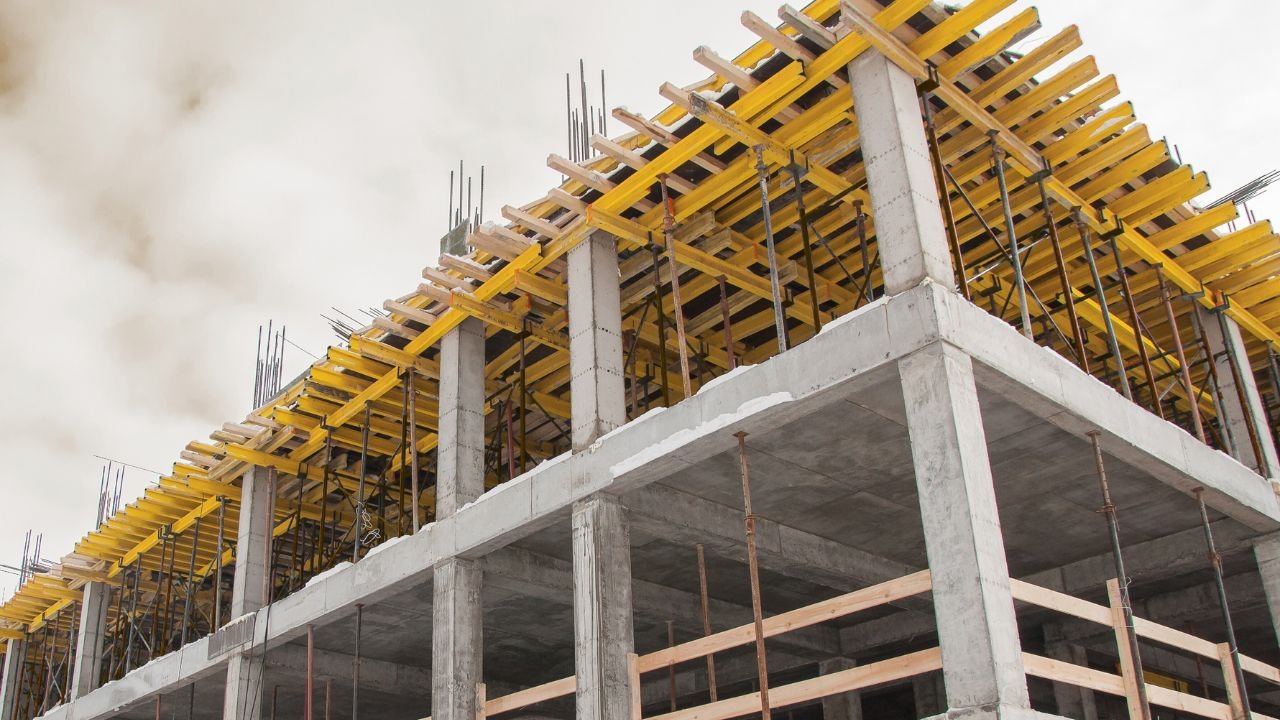
While many factors influence the successful installation of prestressed concrete, understanding the process itself is vital for anyone involved in construction. We begin by preparing the site, ensuring it’s level and free from debris. Next, we set up the necessary formwork to shape the concrete, keeping in mind the design specifications.
Once the forms are ready, we install the prestressing tendons, which are essential for the structural integrity. After that, we mix and pour the concrete, taking care to eliminate air pockets for an even finish. Finally, we tension the tendons to apply the compressive force that enhances the concrete’s performance.
Here’s a quick overview of the key steps:
When it comes to prestressed concrete, the choice of materials plays a crucial role in guaranteeing durability and strength. We typically start with high-quality concrete, specially formulated to withstand the intense stresses it will endure. This concrete often contains a blend of Portland cement, aggregates, and water, but we also incorporate additives to enhance its performance, like fly ash or silica fume.
Next, we use high-strength steel tendons or cables, which are indispensable for the prestressing process. These tendons are tensioned before or after the concrete hardens, allowing us to create compressive forces that strengthen the structure. Additionally, we often apply protective coatings to the steel to prevent corrosion.
Finally, we consider the right formwork materials, which must support the concrete during curing. By carefully selecting and combining these materials, we guarantee our prestressed concrete structures are both robust and long-lasting.
Although both prestressed and traditional concrete serve essential roles in construction, they differ considerably in their design and performance. By understanding these differences, we can better appreciate their unique applications.
Understanding these distinctions helps us choose the right material for our construction needs.
As we commence on the design of prestressed concrete structures, it’s essential to contemplate several key factors that influence both performance and safety. These considerations guarantee that our designs meet the necessary standards and can withstand various loads and environmental conditions.
Here’s a quick reference table to help us remember these key design considerations:
| Factor | Description | Impact |
|---|---|---|
| Load Types | Understand static and dynamic loads | Determines strength requirements |
| Material Selection | Choose high-quality concrete and steel | Affects durability and longevity |
| Prestressing Method | Select between pre-tensioning or post-tensioning | Influences design complexity |
| Cracking Control | Implement effective crack control techniques | Enhances structural integrity |
| Environmental Factors | Account for temperature and moisture | Secures performance in varying conditions |
Having established the importance of design considerations, we now turn our attention to quality control in prestressed concrete installation. Ensuring the highest standards during this process is vital for the strength and durability of the final structure. Here are some key aspects we focus on:
As we explore innovations in prestressed concrete technology, we can’t overlook the exciting advancements in materials that boost performance and sustainability. By utilizing advanced materials, we’re enhancing load-bearing capacity while also promoting eco-friendly construction practices. Let’s uncover how these innovations are shaping the future of our industry.
While advancements in materials science continue to reshape the landscape of construction, we’re witnessing a remarkable evolution in prestressed concrete technology. By incorporating innovative materials, we’re enhancing durability, efficiency, and sustainability in our projects. Here are some key advancements we’re excited about:
These advanced materials not only improve the structural integrity of our designs but also help meet modern demands for sustainability and efficiency in construction.
Building on the advancements in materials we’ve explored, innovations in prestressed concrete technology are taking load-bearing capacity to new heights. By utilizing advanced techniques like high-strength steel tendons and optimized concrete mixes, we can greatly enhance the structural integrity of our projects. These innovations allow us to create longer spans and support heavier loads, which is essential for modern construction demands. Furthermore, the controlled application of stress within the concrete minimizes cracking and deformation, ensuring durability and longevity. As we adopt these cutting-edge methods, we’re not just improving performance; we’re redefining what’s possible in construction. With each project, we’re excited to push the boundaries of design, making our structures safer and more efficient than ever before.
Incorporating sustainable construction practices into our prestressed concrete projects not only benefits the environment but also enhances efficiency. By prioritizing sustainability, we can reduce waste and improve our overall impact on the planet. Here’s how we can achieve this:
As we explore the environmental impact of prestressed concrete, it’s essential to recognize both its benefits and drawbacks. On one hand, using prestressed concrete can lead to reduced material consumption, as it allows for longer spans without additional support. This efficiency can minimize the overall carbon footprint of construction projects. Additionally, the durability of prestressed concrete means structures require less frequent repairs, which can further lessen environmental strain over time.
However, we must also consider the environmental cost of producing cement, a key ingredient in concrete. The cement industry is a significant contributor to greenhouse gas emissions. Furthermore, the extraction of raw materials can lead to habitat destruction and resource depletion.
Ultimately, while prestressed concrete offers advantages in sustainable construction, it’s vital to balance these with its environmental challenges, ensuring we make informed decisions for a greener future.
Now, let’s explore some exciting case studies that showcase the versatility of prestressed concrete. We’ll look at innovative bridge construction techniques, high-rise building applications, and effective parking garage solutions. Each example highlights how this method can transform engineering challenges into successful projects.
While exploring innovative bridge construction techniques, we can see how prestressed concrete projects have transformed infrastructure development. These advancements not only enhance durability but also reduce construction time and costs. Here are some key elements we’ve observed in successful projects:
Through these techniques, we’re witnessing bridges that are not only functional but also aesthetically pleasing and sustainable, paving the way for future infrastructure advancements.
When we consider high-rise building applications, prestressed concrete emerges as a game-changer in modern architecture. This innovative material allows us to construct taller structures with reduced material usage and enhanced durability. For instance, in downtown Miami, the XYZ Tower showcases how prestressed concrete can support large spans while minimizing deflection. Similarly, the ABC Skyscraper in Orlando exemplifies the versatility of this technique in various architectural designs.
| Project Name | Key Features |
|---|---|
| XYZ Tower | 50 stories, high load-bearing capacity |
| ABC Skyscraper | Unique design, enhanced earthquake resistance |
| DEF Building | Sustainable materials, energy-efficient design |
Parking garages play an essential role in urban infrastructure, and prestressed concrete has become a preferred solution for their construction. We’ve seen firsthand how this innovative approach enhances durability and efficiency in various projects. Some key features of prestressed concrete in parking garages include:
These benefits make prestressed concrete an ideal choice for parking garages, ensuring they meet the demands of urban environments while providing safety and reliability. Let’s explore some of these successful case studies together.
Although we often look forward to the benefits of prestressed concrete, several challenges can arise during its installation. First, guaranteeing proper tensioning of the steel tendons is essential; improper tension can lead to structural issues down the line. We also face difficulties with the curing process, as temperature and humidity can greatly affect the concrete’s strength and durability. Additionally, precise placement is necessary to avoid misalignment, which can compromise the integrity of the structure.
Weather conditions often pose a challenge, too. Rain or extreme temperatures can hinder our timeline and affect material performance. Finally, skilled labor is critical; insufficient training can lead to mistakes that are costly to fix. By addressing these challenges with planning and expertise, we can guarantee a successful installation, maximizing the advantages of prestressed concrete while minimizing potential setbacks.
To guarantee the longevity and performance of prestressed concrete structures, we must prioritize regular maintenance and inspections. By doing so, we can identify potential issues early and ascertain the integrity of our structures over time. Here are some key maintenance practices we should follow:
As we maintain and inspect our prestressed concrete structures, it’s important to look ahead and recognize the innovations shaping the future of this material. One significant trend is the integration of smart technologies, allowing for real-time monitoring of stress and structural health. This means we can identify issues before they escalate, ensuring safer and longer-lasting structures.
Additionally, the use of advanced materials, like ultra-high-performance concrete, is on the rise. These materials offer enhanced durability and strength, reducing the need for frequent repairs. We’re also seeing a push towards sustainability, with a focus on using recycled aggregates and eco-friendly production methods.
Lastly, 3D printing technology is emerging, enabling us to create complex designs more efficiently. By embracing these trends, we can enhance the performance of our prestressed concrete projects while reducing environmental impacts, ultimately leading to safer and more sustainable infrastructure.
When it comes to prestressed concrete, it is understood that choosing the right team makes all the difference. Our expertise, innovative installation techniques, and commitment to quality standards set us apart in the industry. Let’s explore how the High-Performance Concrete Squad can meet your needs effectively.
Choosing the right team for your prestressed concrete project can greatly impact the final results, and that’s where our High-Performance Concrete Squad excels. We bring a wealth of knowledge and hands-on experience that guarantees each project is executed with precision and care. Here’s why you should choose us:
Let’s build something remarkable together!
With our commitment to innovation, we leverage cutting-edge installation techniques that set us apart in the prestressed concrete industry. By utilizing advanced methods, we enhance efficiency and safety, ensuring peak performance for every project. Here’s a quick overview of our innovative approaches:
| Technique | Benefits | Application |
|---|---|---|
| Computer-Aided Design | Precision planning | Customized solutions |
| Automated Equipment | Increased speed | Large-scale projects |
| Eco-Friendly Materials | Sustainability | Green construction |
| Real-Time Monitoring | Quality assurance | Ongoing adjustments |
These techniques not only streamline our processes but also allow us to deliver superior results that meet your needs. We’re excited to bring these advancements to your next project!
Quality is at the heart of our operations, driving us to uphold the highest standards in prestressed concrete installation. We recognize that your projects deserve nothing less than excellence, and that’s why we prioritize quality in every aspect of our work.
Here’s what sets us apart:
With us, you’re choosing a partner dedicated to quality.
Prestressed concrete can last considerably longer than traditional concrete, often exceeding 50 years with proper maintenance, compared to about 30 years for standard concrete. This durability stems from the tensioning process, which reduces cracking and enhances strength. We’ve seen structures withstand harsh conditions and heavy loads, proving their resilience. By choosing prestressed concrete, we’re investing in longevity and reliability, ensuring our projects stand the test of time and deliver exceptional performance.
For prestressed concrete installation, we need several essential tools. We use high-strength steel strands, hydraulic jacks, and tensioning equipment to apply the necessary stress. Our team also relies on concrete pumps, formwork systems, and vibrators for proper mixing and placement. Additionally, we utilize curing blankets or compounds to guarantee ideal hydration. Having the right tools makes a significant difference in achieving the strength and durability we aim for in our projects.
Sure, we can recycle prestressed concrete after its lifespan, but let’s not hold our breath waiting for it to get a second act! Once it’s done serving its purpose, it can be crushed and repurposed for base materials or new concrete mixes. Isn’t it nice to know that concrete can have a second chance? So, while it might not star in a blockbuster sequel, its recycled self can still play an essential role!
We’ve noticed several common mistakes during installation that can lead to issues later on. First, not properly preparing the site can cause uneven settling. Also, if we don’t follow the specified curing times, it can weaken the concrete. Additionally, overlooking the alignment and tensioning of the strands can result in structural problems. Finally, we must guarantee that the right materials are used to avoid compromising strength and durability. Let’s stay vigilant!
We’ve all felt the difference between a sunny day and a stormy one, right? Weather plays a vital role in our installation process. Rain can delay our work and compromise curing, while extreme heat can cause rapid drying, leading to cracks. We’ve learned to monitor forecasts closely and adjust our schedules accordingly, ensuring our materials perform at their best. By adapting to the weather, we maintain the quality and integrity of our projects.
 Call Now