Did you know that traditional concrete production contributes notably to carbon emissions? At Sustainable Concrete Squad Florida, we’re changing that narrative with recycled content concrete installations. By utilizing innovative materials, we not only create durable structures but also champion environmental sustainability. Curious about how this process works and the benefits it offers? Let’s explore the world of recycled concrete together.
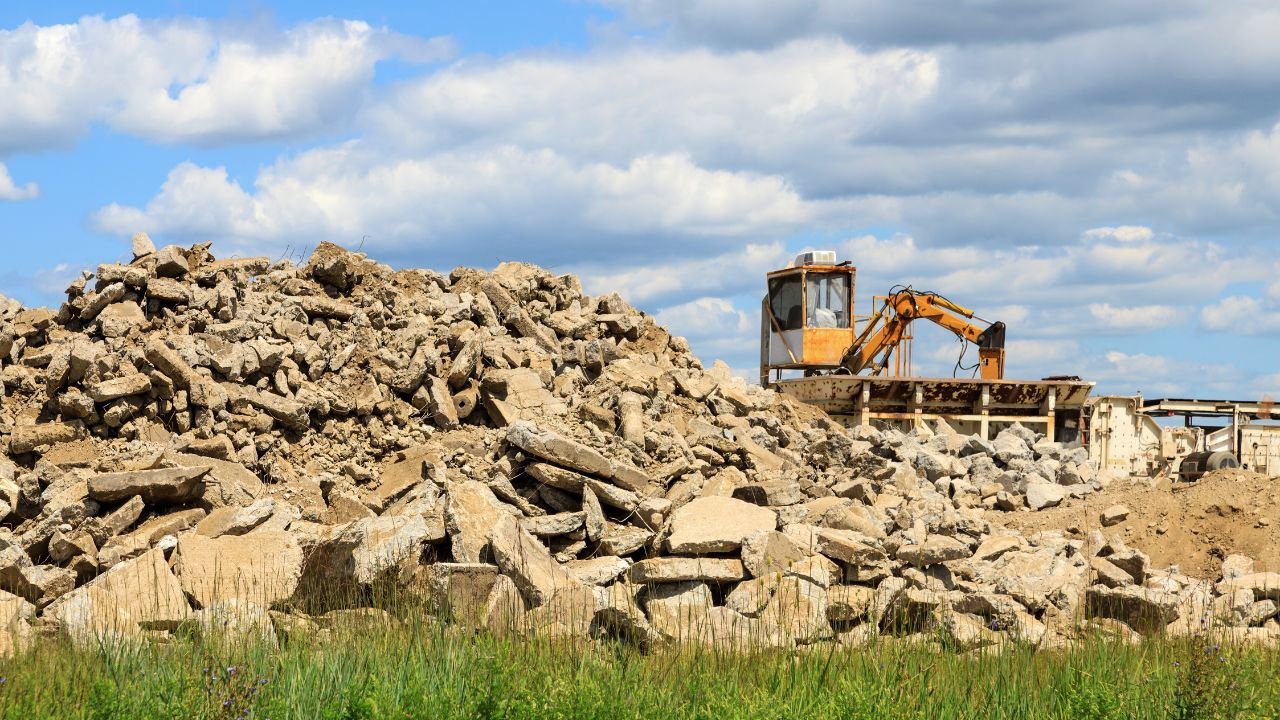
As we explore recycled content concrete, we’ll see how it offers both environmental benefits and practical applications in construction. This innovative material consists of concrete that incorporates recycled aggregates, such as crushed concrete or reclaimed materials, instead of relying solely on virgin resources. By utilizing these recycled components, we’re not only reducing waste but also minimizing the demand for new raw materials.
In our construction projects, we can apply recycled content concrete in various ways, from foundations to pavements. It’s versatile and can be tailored to meet specific structural needs. Additionally, we’re witnessing advancements in technology that enhance its durability and performance.
Understanding recycled content concrete helps us make informed choices that align with sustainable practices. As we move forward, we’ll discover how embracing this eco-friendly alternative can lead to significant improvements in our environmental footprint while still achieving high-quality construction results.
Using recycled materials in concrete offers us significant benefits that we can’t overlook. Not only do we reduce our environmental impact, but we also tap into cost efficiency that can make our projects more budget-friendly. Let’s explore how these advantages can transform our approach to concrete installation.
When we incorporate recycled materials into concrete, we greatly reduce the environmental impact of construction projects. Using recycled content not only conserves natural resources but also minimizes landfill waste. By choosing sustainable materials, we promote a circular economy and lower our carbon footprint.
Here’s a quick look at the benefits:
| Benefit | Explanation |
|---|---|
| Resource Conservation | Reduces the need for raw materials |
| Waste Reduction | Less construction waste in landfills |
| Energy Savings | Lowers energy consumption in production |
| Carbon Footprint Reduction | Minimizes greenhouse gas emissions |
| Enhanced Durability | Improves the lifespan of concrete |
Incorporating recycled materials into concrete not only benefits the environment but also presents significant cost efficiency advantages. By using recycled aggregates, we can reduce the demand for virgin materials, which often come with high extraction and transportation costs. This means lower overall material expenses for our projects. Additionally, recycling concrete can minimize disposal fees associated with waste, further contributing to our budget-friendly approach.
Moreover, utilizing locally sourced recycled materials can cut down transportation costs and carbon footprints. We’re not just saving money; we’re also fostering a sustainable construction industry. By choosing recycled content concrete, we can achieve both economic and environmental goals, making our projects more viable and responsible in today’s market.
Although concrete is a fundamental building material, its production considerably impacts our environment. We often overlook that the process involves extracting and processing raw materials like limestone and clay, which leads to habitat destruction and increased carbon emissions. In fact, the cement industry alone contributes nearly 8% of global greenhouse gas emissions.
When we mix concrete, it requires significant amounts of water, which strains local water resources, especially in drought-prone areas. Additionally, the energy used to heat the materials to high temperatures generates more pollution and contributes to climate change.
We must recognize that traditional concrete’s environmental footprint extends beyond production—it also affects transportation, as the heavy material requires substantial fuel for delivery. By understanding these impacts, we can make more informed choices about building materials and advocate for more sustainable alternatives, like recycled content concrete, that can help reduce our overall environmental footprint.
Let’s explore how recycled content concrete is made, starting with the sourcing of raw materials. We’ll look at the specific steps in the manufacturing process that transform these materials into a sustainable alternative to traditional concrete. By understanding these components, we can appreciate the innovation that goes into every batch.
As we explore how recycled content concrete is made, it’s vital to understand the sourcing of raw materials. We begin by identifying recycled aggregates, which often come from crushed concrete, bricks, or asphalt. These materials not only reduce waste but also minimize the need for new quarrying, lowering our environmental impact.
We also incorporate supplementary cementitious materials like fly ash or slag, sourced from power plants and steel mills. These alternatives help enhance the concrete’s strength while reducing carbon emissions associated with traditional cement production.
When we plunge into the manufacturing process of recycled content concrete, we see a series of essential steps that transform raw materials into a durable building product. Here’s how it unfolds:
Recycled content concrete embodies innovation in sustainable construction, combining traditional materials with repurposed resources. At its core, this concrete includes recycled aggregates, such as crushed glass, reclaimed concrete, or recycled asphalt. These aggregates not only reduce waste but also lower the demand for virgin materials.
In addition to aggregates, we often incorporate supplementary cementitious materials (SCMs) like fly ash or slag. These materials enhance the concrete’s durability and performance while further minimizing environmental impact.
Another key component is the use of eco-friendly admixtures that improve workability and strength without compromising sustainability.
Together, these elements create a concrete mix that meets both structural and environmental standards. By understanding these components, we can appreciate the balance between functionality and sustainability, paving the way for a greener future in construction.
The Sustainable Concrete Squad plays a pivotal role in the implementation and promotion of recycled content concrete. We’re committed to guaranteeing that our projects not only meet construction needs but also contribute positively to the environment. Here’s how we do it:
Now that we comprehend the importance of recycled content in concrete, let’s look at the installation process. We need to focus on proper preparation and site assessment before we start pouring and finishing techniques. Together, we can guarantee a successful and sustainable installation.
Before we plunge into the installation process for recycled content concrete, we need to focus on proper preparation and site assessment. This vital step guarantees we set a solid foundation for our project. Here’s what we should do:
As we move into the pouring and finishing techniques for recycled content concrete, it’s essential to ascertain that our mix is well-prepared and the site is ready for action. Once everything’s set, we can start pouring the concrete, ensuring an even distribution across the area. We should use a screed to level the surface, helping us achieve a smooth finish.
After pouring, we’ll carefully use floats to eliminate any imperfections and create the desired texture. Timing’s important here; we need to finish while the concrete is still workable. If needed, we’ll apply a curing compound to retain moisture and enhance strength. Finally, we’ll let the concrete cure properly, ensuring long-lasting durability. With these techniques, we’re set for a successful installation!
Quality assurance in recycled content concrete is essential to confirm that we meet both performance standards and sustainability goals. By implementing a solid quality assurance process, we can ascertain that our projects not only perform well but also contribute positively to the environment. Here are four key aspects we focus on:
Let’s explore some successful projects in Florida that showcase innovative urban developments and eco-friendly infrastructure using recycled content concrete. We can see how these initiatives not only enhance sustainability but also contribute to the aesthetic and functional aspects of our communities. By examining these case studies, we can gain valuable insights into the benefits and possibilities of this approach.
While exploring the landscape of innovative urban developments in Florida, we find that several projects successfully integrate recycled content concrete, showcasing both sustainability and aesthetic appeal. Let’s highlight a few standout examples:
These projects not only elevate urban living but also inspire future developments across the state.
As we explore the domain of eco-friendly infrastructure projects in Florida, numerous case studies illustrate how innovative designs can harmonize with sustainability goals. One standout example is the I-4 Ultimate Improvement Project, which incorporates recycled concrete materials in its construction, greatly reducing waste. Another inspiring case is the Green City in Orlando, where permeable pavements and green roofs enhance stormwater management while promoting biodiversity. Additionally, the new Tampa Bay Area transit system emphasizes energy efficiency and reduced carbon footprints, utilizing solar panels and electric buses. These projects demonstrate our commitment to building a sustainable future. By learning from these successes, we can continue to implement eco-friendly practices that benefit both our communities and the environment.
When we consider the cost-effectiveness of recycled content concrete, it’s clear that this innovative material offers significant financial advantages. By opting for recycled content, we not only support sustainability but also enhance our project budgets. Here are four key financial benefits we can appreciate:
Having explored the cost-effectiveness of recycled content concrete, it’s important to examine how it stacks up against traditional options. When we compare the two, we notice that recycled content concrete often performs similarly to conventional materials regarding strength and durability. In fact, studies show that it can meet or even exceed the standards set for traditional concrete.
On the environmental front, recycled content concrete considerably reduces waste and lowers our carbon footprint, promoting sustainability. Plus, using recycled materials often leads to reduced energy consumption during production.
However, we also see that some traditional concrete options have a longer established track record, which can influence perceptions about reliability. Ultimately, our choice may depend on project specifics, but it’s clear that recycled content concrete offers a viable, eco-friendly alternative worth considering for modern construction.
Though we recognize the benefits of recycled content concrete, implementing it in construction projects can present several challenges. Here are some key obstacles we often encounter:
As we tackle the challenges of implementing recycled content concrete, it’s clear that the future of sustainable concrete solutions is bright and filled with innovative possibilities. We’re seeing a surge in the development of advanced materials that not only incorporate recycled components but also enhance performance. For instance, the use of industrial by-products like fly ash and slag is becoming more common, reducing dependency on natural resources.
Additionally, technology is driving improvements in concrete design and mixing processes, allowing us to create lighter, stronger, and more durable materials. Smart construction techniques, such as 3D printing, are also on the rise, making it easier to utilize recycled materials efficiently.
Moreover, the push for carbon-neutral practices is leading to exciting advancements in carbon capture technologies. As we move forward, embracing these trends will help us build a more sustainable future and redefine the concrete industry for generations to come.
When working with recycled content concrete, we can enhance our projects by following a few key tips. These guidelines not only help guarantee quality but also promote sustainability in our work.
Homeowners can truly enhance their properties by opting for recycled content concrete, not only benefiting from its strength and durability but also making a positive environmental impact. By choosing this sustainable option, we can reduce our carbon footprint and help conserve natural resources.
Here’s how we can see these benefits:
| Benefit | Description | Emotional Impact |
|---|---|---|
| Eco-Friendly | Reduces waste and conserves resources | Satisfaction of helping Earth |
| Cost-Effective | Lower material costs and maintenance | Peace of mind on expenses |
| Aesthetic Appeal | Versatile design options | Pride in a beautiful home |
| Durability | Long-lasting performance | Confidence in our investment |
| Community Support | Promotes local recycling initiatives | Connection to our community |
Imagine our recycled concrete as a sturdy tree, growing strong over time. Typically, recycled content concrete lasts around 30 to 50 years, much like a well-rooted tree that withstands storms. Its durability hinges on factors like mix design and environmental conditions. We’ve seen it perform admirably, offering both strength and sustainability. So, when we choose this eco-friendly option, we’re not just building; we’re planting the seeds for a lasting future.
Yes, we can use recycled content concrete for a variety of projects! It’s versatile enough for residential, commercial, and industrial applications, as long as we consider the specific requirements of each project. We’ve found it works well in pavements, foundations, and even decorative elements. However, it’s crucial to assess the structural needs and local regulations to guarantee it meets all necessary standards. Let’s explore how it can fit into your next project!
We’ve found that recycled concrete can perform comparably to traditional concrete in many applications. In fact, studies show that recycled concrete can achieve up to 85% of the compressive strength of standard concrete. While there can be slight variations in durability and workability, many projects benefit from using recycled materials without sacrificing quality. It’s essential to assess each project’s needs, but overall, they often deliver strong, reliable results.
We can use several types of recycled materials in concrete, including crushed concrete aggregate, recycled glass, and industrial by-products like fly ash or slag. These materials not only reduce waste but also enhance concrete’s properties. By incorporating them, we’re making a more sustainable choice without sacrificing performance. Plus, using recycled materials often lowers costs, making it a win-win for both the environment and our budgets. Let’s embrace these innovative options together!
Like a well-tended garden, recycled content concrete needs care to thrive. We’ve found that maintenance isn’t overly complicated. Regular cleaning and sealing help protect its surface, just as watering nourishes plants. We should also monitor for cracks and repair them promptly to prevent larger issues. Keeping an eye on drainage can prevent water damage, ensuring our concrete remains durable and functional for years to come. Let’s nurture our recycled concrete together!
 Call Now