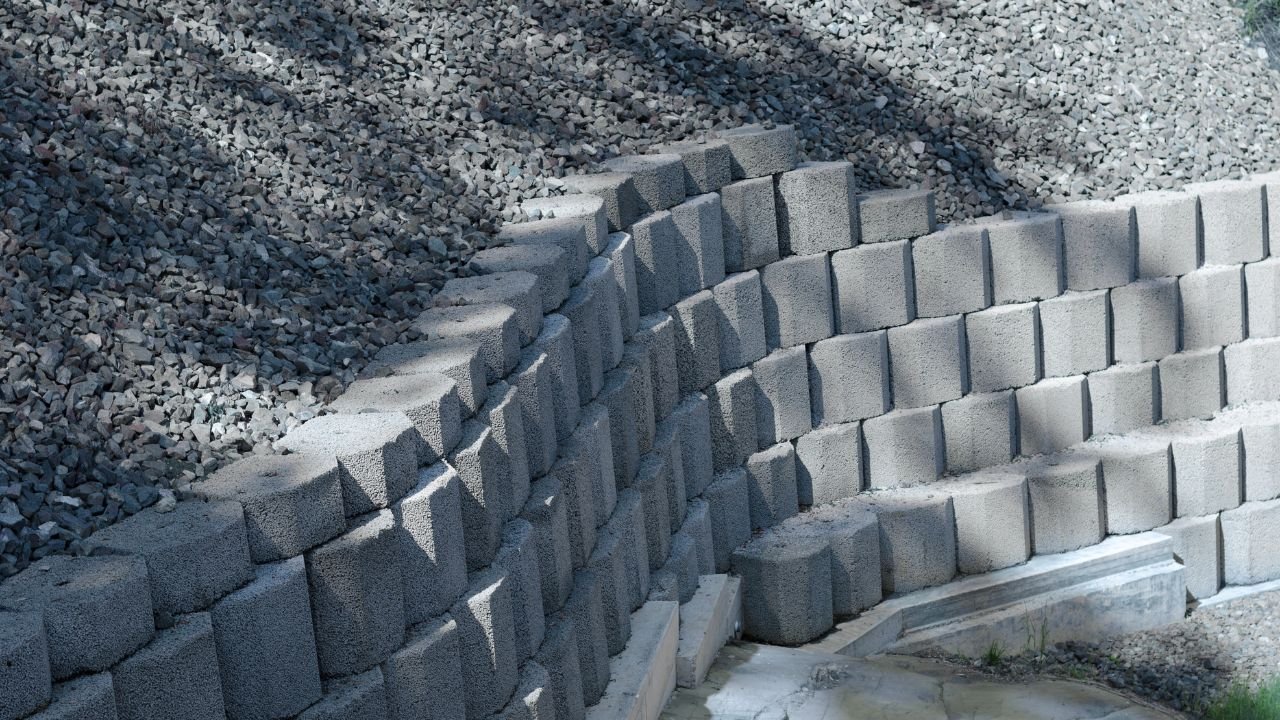
A concrete retaining wall stands like a steadfast guardian, holding back the earth and shaping our landscapes. At Landscape Concrete Squad, we recognize the importance of creating structures that not only serve a significant function but also enhance the beauty of your property. As we explore the intricacies of retaining wall construction, we’ll uncover the benefits, considerations, and expert solutions that make our approach unique. Let’s journey together through the essential aspects of this important project.
Understanding the purpose of retaining walls is essential for any construction project involving changes in elevation. These structures play a significant role in managing soil and water, preventing erosion, and maintaining the integrity of landscapes. By holding back soil, they create level areas, allowing us to utilize sloped terrains effectively.
When we design a retaining wall, we’re not just looking at aesthetics; we’re also considering stability and drainage. Properly designed walls can withstand the lateral pressure of soil, especially when saturated with water. They also help redirect water flow, which can minimize the risk of soil movement or flooding.
In essence, retaining walls are important for ensuring that our construction projects are safe and sustainable. By understanding their purpose, we can make informed decisions that enhance both functionality and appearance in our landscapes. Let’s dive deeper into how concrete can be the perfect material for these significant structures.
When we consider concrete retaining walls, we can’t overlook their impressive durability and longevity. Not only do they add aesthetic appeal to our landscapes, but they also play an essential role in preventing soil erosion. Together, these benefits make concrete retaining walls a smart choice for any project.
While exploring options for retaining walls, we quickly realize that concrete stands out for its remarkable durability and longevity. Unlike other materials, concrete can withstand harsh weather conditions, resist decay, and endure heavy loads without compromising structural integrity. This resilience means our walls can last for decades, reducing the need for frequent repairs or replacements. Additionally, concrete isn’t susceptible to pests like wood, which can weaken over time. It also offers excellent resistance to water damage, making it ideal for areas with high rainfall or flooding. By choosing concrete, we can invest in a long-lasting solution that not only supports our landscape but also saves us time and money in the long run.
Not only do concrete retaining walls offer impressive durability, but they also enhance the aesthetic appeal of any landscape. When we choose concrete, we open up a world of design possibilities. With various finishes, textures, and colors available, we can create a stunning visual impact that complements our outdoor spaces. Whether we prefer a sleek, modern look or a rustic, natural feel, concrete can adapt to our vision. Additionally, incorporating plants or decorative elements around the walls can further elevate their appearance. These walls not only serve a functional purpose but also act as beautiful focal points in our gardens. Ultimately, concrete retaining walls help us express our style while enhancing the overall beauty of our landscape.
Concrete retaining walls not only boost the aesthetic appeal of our landscapes but also play a significant role in soil erosion prevention. By holding back soil, these walls reduce runoff and protect our plants from being washed away during heavy rains. They create a stable environment, allowing us to cultivate beautiful gardens without worrying about soil loss.
Here’s a quick overview of the benefits:
| Benefit | Description | Impact on Landscape |
|---|---|---|
| Erosion Control | Prevents soil displacement | Maintains garden integrity |
| Water Management | Reduces runoff | Enhances plant health |
| Stability | Supports sloped areas | Allows for diverse planting |
Now that we recognize the benefits of concrete retaining walls, let’s explore the different types available to us. We’ll look at gravity retaining walls, cantilever retaining walls, and reinforced retaining walls to see how each serves unique purposes. Recognizing these options can help us choose the right solution for our specific needs.
When we think about effective solutions for managing soil and preventing erosion, gravity retaining walls often come to mind. These structures rely on their weight to resist the lateral pressure of the soil behind them, making them incredibly effective in various landscapes. Typically constructed from concrete or stone, gravity walls are designed to be thicker at the base, tapering as they rise. This design not only adds stability but also enhances aesthetics, allowing them to blend seamlessly into the environment. We appreciate gravity retaining walls for their simplicity and durability, as they can withstand harsh weather conditions and require minimal maintenance. Overall, they serve as a reliable choice for homeowners seeking both functionality and visual appeal in their outdoor spaces.
While gravity retaining walls are great for certain applications, we can explore the efficiency of cantilever retaining walls, which are designed to use leverage to hold back soil. These walls have a thin stem extending from the base, creating a strong and stable structure. By relying on the weight of the soil behind them and their own mass, cantilever walls can effectively withstand lateral pressures. They’re ideal for taller applications, providing an excellent balance between strength and material use. Additionally, these walls can be made from various materials, including concrete and masonry, allowing for versatility in design. When we choose cantilever retaining walls, we guarantee a durable and effective solution for soil retention in our landscaping projects.
In addition to cantilever walls, reinforced retaining walls offer another effective solution for managing soil retention. These walls utilize steel reinforcement bars, or rebar, to enhance their strength and stability. When we construct a reinforced retaining wall, we’re fundamentally combining the durability of concrete with the tensile strength of steel. This method allows us to build taller walls and support heavier loads without the risk of failure.
Reinforced walls are particularly beneficial in areas with challenging soil conditions, as they can withstand the lateral pressure exerted by the soil more effectively. Overall, if we’re looking for a robust solution for steep landscapes or heavy earth loads, reinforced retaining walls certainly deserve our consideration for their reliability and longevity.
Before diving into the construction of a concrete retaining wall, we need to contemplate several essential factors that can influence the project’s success. By addressing these points early, we can guarantee a smoother construction process and a more durable wall.
Before we start building, we need to assess the site to guarantee it’s suitable for a concrete retaining wall. Evaluating soil stability is essential, as it affects the wall’s design and layout. By understanding these factors, we can create a solid plan that meets our project’s needs.
To guarantee a successful concrete retaining wall construction, we must thoroughly evaluate soil stability during the site assessment and planning phase. Understanding the soil’s characteristics helps us determine how well it can support our wall and prevent future issues. Here are some key factors we should consider:
As we move into the design and layout phase, it is crucial to incorporate our findings from the soil stability evaluation. This step guarantees our retaining wall will be both effective and durable. We’ll begin by determining the wall’s height, length, and location based on site conditions and aesthetic preferences.
Here’s a quick reference table to guide our design considerations:
| Factor | Considerations | Impact on Design |
|---|---|---|
| Soil Type | Clay, sand, or silt | Affects drainage and stability |
| Wall Height | Based on desired function and local codes | Determines material strength needed |
| Load Conditions | Water, soil, or other loads | Influences wall thickness |
Choosing the right materials for our concrete retaining wall is essential for ensuring stability and durability. When we initiate this project, we need to evaluate several key materials that contribute to the wall’s strength and longevity. Here’s what we should keep in mind:
When we design our retaining wall, we need to contemplate both its purpose and functionality alongside its aesthetic appeal. It’s essential to guarantee that the wall not only serves its structural role but also complements our landscape. Let’s explore how these elements work together to create a successful design.
While we may think of concrete retaining walls primarily as structural elements, their purpose and functionality extend far beyond mere support. These walls play an essential role in landscape management, helping us create level areas and manage water drainage effectively. Understanding their purpose can guide us in designing walls that truly fit our needs.
Many homeowners overlook the aesthetic potential of concrete retaining walls, but they can considerably enhance our landscape. By considering design elements, we can create a visually appealing structure that complements our outdoor space.
Here are some aesthetic features we can incorporate:
| Feature | Description |
|---|---|
| Textured Finishes | Adds depth and character to the wall |
| Color Options | Custom colors can match our home |
| Plant Integration | Incorporate greenery for a natural look |
| Stone Veneer | Mimics natural stone for elegance |
| Lighting Elements | Enhances ambiance during evenings |
Preparing the foundation for a concrete retaining wall is essential for ensuring its stability and longevity. We need to follow a few key steps to create a solid base. First, we’ll choose an appropriate location that provides sufficient drainage and support. Next, we should clear the area of any debris, rocks, or vegetation.
Here’s what we’ll do to prepare the foundation:
To guarantee our concrete retaining wall stands the test of time, we must employ effective construction techniques that enhance its durability. First, we should choose high-quality concrete mix, making certain it has the right balance of cement, aggregate, and water. This blend helps resist cracking and improves overall strength. Next, we need to use proper reinforcement, like steel rebar, to provide additional support, particularly in areas that’ll face significant pressure.
We also can’t overlook proper curing methods; allowing the concrete to cure slowly promotes a stronger bond. During the construction process, we must make sure the wall is built to the right height and thickness, adhering to design specifications to withstand environmental stressors. Finally, we should pay attention to the finishing touches, like applying sealants, which can protect the surface from moisture and wear. By following these techniques, we’ll create a retaining wall that’s durable and reliable for years to come.
When constructing a concrete retaining wall, we can’t ignore the importance of effective drainage solutions to prevent water buildup and potential structural failure. Proper drainage not only protects the wall but also enhances its longevity. Here are some key solutions we should consider:
Landscaping around retaining walls can greatly enhance both the aesthetics and functionality of the space. By adding plants, shrubs, and flowers, we can soften the hard lines of the wall and create a more inviting atmosphere. Choosing native plants not only complements the wall but also supports local wildlife and reduces maintenance needs.
We can also incorporate decorative elements like boulders or mulch to create visual interest and help with drainage. Lighting is another fantastic option; it highlights the wall’s features and adds safety during nighttime hours.
Additionally, we should consider the wall’s purpose when designing the landscape. If it’s used for erosion control, we can plant deep-rooted grasses to stabilize the soil. Ultimately, our goal is to create a harmonious balance between the retaining wall and its surroundings, transforming a functional structure into a beautiful focal point in our landscape.
Incorporating beautiful landscaping around our retaining walls is just the beginning; maintaining their integrity is essential for long-lasting functionality. To guarantee our retaining walls remain sturdy and effective, we can follow some simple maintenance tips.
Although building a concrete retaining wall can enhance our outdoor space, we often face challenges during and after construction. Common issues include drainage problems, soil pressure, and cracking. Let’s look at some effective solutions to these challenges:
| Challenge | Description | Solution |
|---|---|---|
| Drainage Issues | Poor water flow can weaken walls | Install weep holes or drainage pipes |
| Soil Pressure | Excess pressure can cause failure | Use proper backfill and compaction |
| Cracking | Temperature changes can lead to cracks | Use expansion joints and proper curing |
While building a concrete retaining wall primarily serves functional purposes, we can also enhance its aesthetic appeal to create a more inviting outdoor space. By incorporating thoughtful design elements, we can transform a simple structure into a visual asset. Here are some ideas we can consider:
When it comes to enhancing the aesthetic appeal of your outdoor spaces, choosing the right team for your concrete retaining wall construction can make all the difference. At Landscape Concrete Squad, we pride ourselves on our commitment to quality and craftsmanship. We recognize that every project is unique, and we take the time to listen to your needs and vision. Our experienced team uses high-quality materials and innovative techniques to create durable and visually stunning retaining walls that complement your landscape.
We’re not just about building walls; we’re about building relationships. Our customer-focused approach guarantees you’re involved throughout the process, and we’re always here to answer your questions. Plus, our competitive pricing means you’ll get the best value for your investment. When you’re ready to elevate your outdoor space, let’s work together to create something beautiful that stands the test of time. Choose Landscape Concrete Squad for a seamless experience and exceptional results.
Typically, constructing a retaining wall takes about one to two weeks, depending on various factors like size, materials, and site conditions. We can expedite the process by planning thoroughly and ensuring all permits are in place. If we encounter unexpected issues, like poor soil conditions, it may extend the timeline. Overall, we aim to complete the project efficiently while maintaining high quality. Let’s work together to get your retaining wall done!
Yes, we often need a permit for building a retaining wall. In fact, about 50% of homeowners overlook this step, which can lead to fines or having to remove the wall later. Each municipality has different regulations, so it’s essential to check local building codes before we start construction. By securing the necessary permits, we guarantee our project complies with safety standards and enhances the overall value of our property.
We can definitely build a retaining wall ourselves if we have the right tools and skills, but hiring professionals often saves us time and guarantees better results. If we’re unsure about our abilities or the project’s complexity, it might be wiser to invest in expert help. Ultimately, it depends on our experience, the wall’s size, and the local regulations we need to take into account before starting. Let’s weigh our options carefully!
The average cost for concrete retaining walls typically ranges from $25 to $70 per square foot. Imagine turning a bare slope into a stunning landscape feature while investing in durability. A wall can enhance your property’s aesthetic and prevent erosion. While we can save money by doing it ourselves, the long-term benefits of hiring professionals might outweigh initial costs. Ultimately, we should consider quality, longevity, and our budget before deciding.
Yes, specific weather conditions definitely affect retaining wall construction. We’ve noticed that excessive rain can lead to soil erosion and instability, while extreme cold can cause concrete to set improperly. Hot temperatures can lead to rapid drying, making it harder for the wall to cure correctly. It’s essential for us to monitor these conditions closely to guarantee our projects remain safe and durable, regardless of the weather we’re facing.
 Call Now