
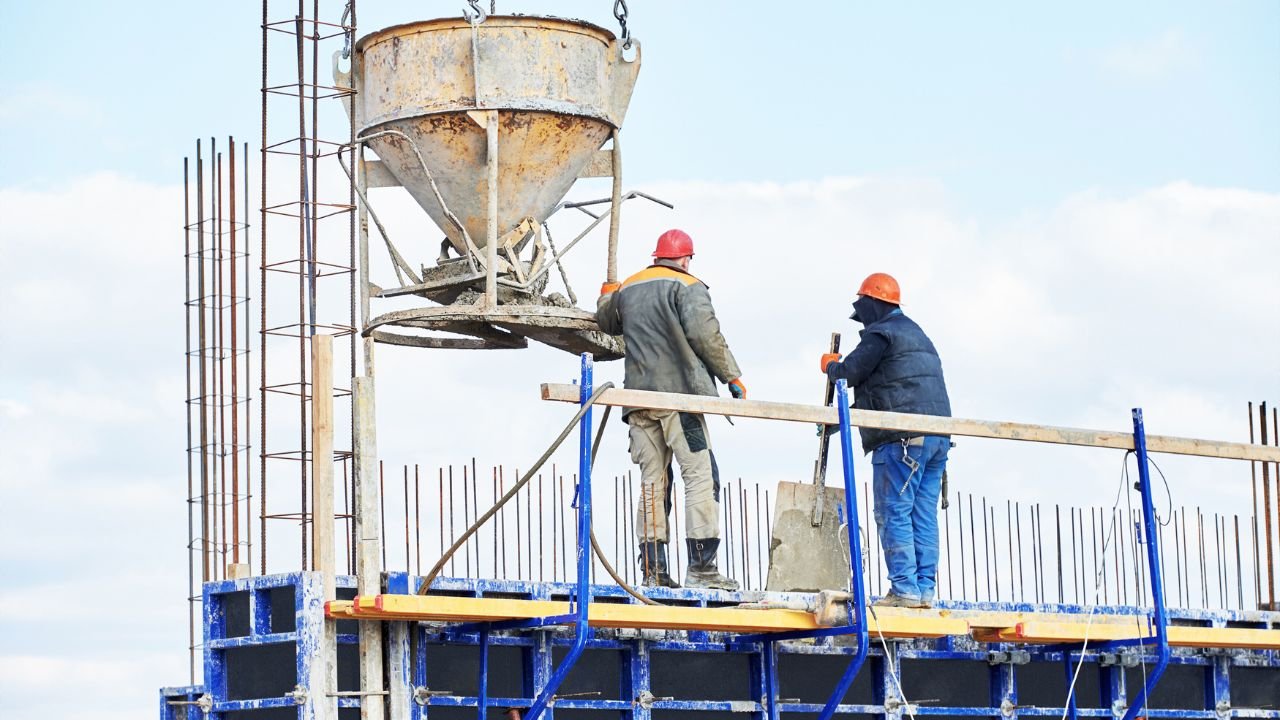
Laying the groundwork for educational facilities is like planting a seed that will grow into a thriving community. We recognize that the foundation installation process is essential for ensuring safety and longevity. Our team at the Educational Concrete Squad Florida emphasizes precision and compliance, but there’s more to it than just concrete and steel. Let’s explore how our approach integrates innovative solutions and sustainable practices to shape the future of educational infrastructure.
When we think about building schools and universities, we often overlook the critical role of foundation installation. A strong foundation isn’t just a technical requirement; it’s the backbone of educational facilities. It supports the entire structure, ensuring safety and stability for students and staff alike. Without a solid foundation, even the most innovative designs can face serious issues down the line, from structural damage to costly repairs.
When we’re planning educational facilities, we must pay close attention to soil stability and load-bearing requirements. These factors are essential for ensuring the safety and longevity of the buildings we construct. Let’s explore how we can assess these elements effectively to create a solid foundation for learning.
Understanding soil stability is essential for ensuring that educational facility foundations are safe and durable. We need to assess the soil’s composition, moisture content, and density before construction begins. Factors like soil type and surrounding vegetation can greatly affect stability. For instance, clay soils can expand and contract with moisture changes, which may lead to foundation issues if not properly evaluated. We should also consider the soil’s load-bearing capacity, ensuring it can support the weight of the structure. Conducting thorough soil tests, such as a geotechnical investigation, helps us identify potential problems early on. By prioritizing these assessments, we can create a solid foundation for educational institutions that will serve students for years to come.
After evaluating soil stability, we must focus on load-bearing requirements for educational facility foundations. Understanding these requirements is vital for ensuring the safety and longevity of our structures. Load-bearing capacity refers to the maximum weight a foundation can support without risk of failure. It’s essential to take into account the materials used, the building’s design, and the number of occupants. We’ll work closely with structural engineers to analyze these factors, ensuring we meet local building codes and standards. By prioritizing load-bearing requirements, we’re not just creating a solid foundation; we’re investing in a safe learning environment for students and staff alike. Together, let’s commit to building foundations that stand the test of time and provide stability for future generations.
Soil testing plays an essential role in preparing a solid foundation for schools and universities, ensuring that we build on stable ground. By analyzing soil samples, we can determine its composition, density, and load-bearing capacity. This information helps us understand how the soil will react under the weight of the structure we plan to build.
Through soil testing, we identify potential issues like high moisture content or unstable layers that could compromise the foundation. If we find problematic soil conditions, we can take necessary steps to mitigate risks, such as adding reinforcement or choosing appropriate foundation types.
Ultimately, conducting thorough soil tests is vital for preventing future structural problems, ensuring safety, and optimizing construction costs. By prioritizing soil testing, we’re investing in the longevity and stability of educational institutions, creating a safe environment for students and staff alike.
When it comes to constructing educational institutions, selecting the right foundation type is essential for long-term stability and safety. We often encounter several common foundation types, each suited for different soil conditions and building requirements.
For instance, shallow foundations, like spread footings, are frequently used for smaller buildings. They distribute the weight evenly across the ground, providing solid support. On the other hand, deep foundations, such as piles or drilled shafts, are typically employed in areas with unstable soil or heavier structures.
We can’t overlook the importance of slab-on-grade foundations, which are popular for schools due to their efficiency and cost-effectiveness. They also help minimize moisture issues.
Ultimately, our choice of foundation type directly impacts the durability and resilience of educational facilities, ensuring they can withstand the test of time and serve future generations effectively.
As we explore the expertise of the Educational Concrete Squad, we’ll highlight key foundation design considerations that are essential for educational institutions. We’ll also look at how selecting quality materials and employing innovative installation techniques can greatly impact the longevity and stability of these foundations. Together, we can appreciate the craftsmanship that goes into creating a solid base for our schools and universities.
While we often take for granted the stability of our educational institutions, foundation design considerations play an essential role in ensuring their longevity and safety. When we initiate a foundation project, we assess various factors, including soil conditions, load requirements, and environmental impacts. Each educational facility presents unique challenges, and we tailor our designs to accommodate these specifics. We prioritize stability by calculating the appropriate depth and width of footings, ensuring they can support the structure’s weight. Additionally, we factor in drainage solutions to prevent water accumulation, which can undermine integrity. By focusing on these critical aspects, we create a solid foundation for schools and universities, fostering environments where learning can thrive without concerns about structural issues.
To guarantee the integrity of our educational institutions, we recognize that quality material selection is crucial in foundation work. Choosing the right materials guarantees durability and stability, which are essential for long-term success. We focus on specific criteria to provide the best outcomes for our clients:
When it comes to foundation work, we leverage innovative installation techniques to enhance efficiency and precision. By utilizing advanced technology like laser-guided equipment and 3D modeling, we can guarantee that every aspect of the foundation is meticulously planned and executed. This not only speeds up the installation process but also minimizes errors, which can be costly down the line. Our team incorporates durable materials and sustainable practices, guaranteeing long-lasting results. We also prioritize collaboration, actively communicating with stakeholders to adapt our methods to specific project needs. With these innovative techniques, we’re not just laying foundations; we’re building a solid future for schools and universities across Florida. Trust us to deliver excellence from the ground up!
As we commence on the critical process of school foundation installation, adhering to safety standards is essential to guarantee a secure and conducive learning environment. By prioritizing safety, we not only protect our workers but also secure the long-term stability of the educational facilities.
Here are some key safety standards we focus on:
While we often focus on the structural integrity of a school foundation, we can’t overlook the significant role that drainage systems play in its design. Proper drainage is fundamental to protect the foundation from water damage, which can lead to costly repairs and structural issues. When rainwater accumulates around a foundation, it can create hydrostatic pressure, pushing against the walls and causing cracks or shifts.
By implementing an effective drainage system, we help direct water away from the foundation, reducing the risk of erosion and maintaining soil stability. This proactive approach not only safeguards the building but also contributes to the longevity of the entire structure.
Moreover, a well-designed drainage system can improve the overall site conditions, promoting a healthier environment for students and staff. Essentially, investing in proper drainage isn’t just an afterthought; it’s a critical component of a durable foundation that guarantees safety and functionality for years to come.
Implementing eco-friendly practices in foundation installation not only benefits the environment but also enhances the durability and sustainability of our buildings. By adopting these practices, we contribute to a healthier planet while ensuring our structures stand the test of time. Here’s what we focus on:
Let’s explore some standout projects completed by the Educational Concrete Squad. We’ll highlight innovative design solutions that not only meet functional needs but also enhance the educational environment. Together, we can see how these successful installations set a new standard in foundation work for schools and universities.
As we explore the remarkable achievements of the Educational Concrete Squad, it’s clear that their innovative approach has transformed numerous school and university foundations across the country. Each project showcases not only technical skill but also a commitment to enhancing educational environments. Here are some notable highlights:
These highlights reflect our dedication to excellence and our mission to provide safe, reliable foundations for future generations of learners.
While we’ve tackled a variety of projects, the Educational Concrete Squad’s innovative design solutions stand out as prime examples of our ability to meet diverse educational needs. One notable case was a community college that required a multifunctional outdoor space. We designed an eco-friendly concrete amphitheater that accommodates lectures, performances, and gatherings, seamlessly blending functionality with sustainability.
Another project involved a K-12 school seeking to enhance safety and aesthetics. We designed colorful, textured walkways that guide students while also improving slip resistance.
These projects not only showcase our creativity but also demonstrate our commitment to enhancing the educational environment. By addressing specific challenges with tailored solutions, we guarantee that our installations serve the community effectively and beautifully.
When we collaborate with architects and engineers, we create a seamless integration of vision and technical expertise that enhances our school and university foundation installations. This partnership allows us to guarantee that our designs are not only innovative but also structurally sound and feasible. By working closely together, we can anticipate challenges and implement effective solutions early in the process.
Ultimately, this teamwork fosters an environment of creativity and precision, resulting in foundations that support educational facilities for years to come. Together, we build a solid foundation for the future of learning.
Understanding the impact of foundation quality on long-term building performance is essential for guaranteeing the durability and functionality of educational facilities. A strong foundation helps prevent structural issues, reduces maintenance costs, and enhances safety. Let’s break down some key factors that highlight this importance:
| Factor | Importance | Long-Term Effects |
|---|---|---|
| Soil Quality | Determines stability and strength | Reduces risk of settling or shifting |
| Construction Materials | Influences durability and lifespan | Minimizes cracks and wear over time |
| Design and Engineering | Affects load distribution and safety | Guarantees the building withstands stress |
| Moisture Control | Prevents water damage and erosion | Protects structural integrity |
| Local Climate | Impacts foundation choice and design | Enhances resilience against elements |
As we explore innovations in foundation technology for educational facilities, we can see how advanced concrete materials are reshaping our approach. Sustainable foundation practices also play an essential role in minimizing environmental impact while enhancing durability. Finally, smart foundation technologies are paving the way for more efficient monitoring and maintenance, which we should definitely consider.
While exploring the latest innovations in foundation technology for educational facilities, we find that advanced concrete materials play an essential role in enhancing durability and sustainability. These materials not only withstand the test of time but also contribute to safer learning environments.
To create educational facilities that are not only functional but also environmentally responsible, we must embrace sustainable foundation practices. By utilizing eco-friendly materials and techniques, we can greatly reduce our carbon footprint. For instance, incorporating recycled aggregates into our concrete mix not only strengthens the foundation but also conserves natural resources. Additionally, we should consider using permeable materials that allow water to pass through, minimizing runoff and promoting groundwater recharge. Implementing energy-efficient machinery during installation can further lower emissions. Finally, we can explore the use of innovative insulation methods that enhance thermal performance, which leads to reduced energy consumption in the long run. By prioritizing these sustainable practices, we can build educational facilities that benefit both students and the planet.
Embracing smart foundation technologies can revolutionize the way we construct educational facilities. By integrating advanced techniques, we can enhance durability, sustainability, and safety. These innovations not only streamline the building process but also guarantee that our schools and universities are equipped for the future.
Together, we can create resilient, forward-thinking educational environments that meet the needs of today’s learners while anticipating tomorrow’s challenges. Let’s embrace these technologies for a better future!
Maintaining and repairing existing foundations is essential for the longevity and stability of our school and university buildings. Over time, foundations can suffer from issues like cracks, settling, and moisture damage. It’s vital we routinely inspect these structures to identify any problems early on. By addressing minor issues before they escalate, we can save time and money in the long run.
When we notice cracks or shifting, we should consult with professionals who specialize in foundation repair. They can assess the situation and recommend the best solutions, whether it’s underpinning, sealing, or drainage improvements. Additionally, regular maintenance practices, like guaranteeing proper drainage and soil management, can prevent future damage.
We must also educate our staff and students about the importance of reporting any signs of foundation distress. Together, we can guarantee that our educational facilities remain safe, secure, and conducive to learning for years to come.
As we look ahead to the future of educational infrastructure development, it’s clear that innovation and sustainability will play crucial roles in shaping our learning environments. We’re excited about the possibilities that lie ahead, and we understand that our schools and universities must adapt to meet the needs of a changing world.
While fostering strong ties with the community, we can enhance the educational experience through outreach programs that connect students with real-world opportunities. These initiatives engage students in local projects, allowing them to apply classroom knowledge in practical settings. By collaborating with businesses and organizations, we create a bridge between education and the community, enriching student learning.
We encourage participation in mentorship programs, internships, and volunteer activities that not only develop skills but also instill a sense of responsibility. When students work alongside community leaders, they gain insights that textbooks alone can’t provide.
Moreover, these outreach efforts help to build a supportive network, fostering lifelong connections that extend beyond the classroom. We’re proud to invest in our future leaders by providing them with the tools and experiences they need to thrive. Together, we can create a vibrant educational environment that benefits everyone involved.
Typically, the foundation installation process takes around two to four weeks, depending on various factors like weather and site conditions. We’ve found that preparation work, such as excavation and grading, can impact the timeline. Once we start pouring the concrete, it usually sets quickly, but we need to allow time for curing. So, while it might seem straightforward, we’ve learned that patience is essential for ensuring a solid and lasting foundation.
When it comes to foundation installation in educational facilities, we need various permits to guarantee everything’s up to code. Generally, we’ll require building permits, zoning approvals, and environmental assessments. Sometimes, we must also secure permits for excavation and utilities. It’s essential to check local regulations because they can vary widely. By getting these permits, we can guarantee a smooth installation process and create a safe environment for learning.
Yes, we can retrofit existing foundations for new educational buildings. This process involves evaluating the current structure’s integrity and making necessary modifications to support the new design. We’ll examine factors like soil conditions and load requirements to guarantee safety and compliance. By working together with engineers and architects, we can create a sustainable solution that meets today’s educational needs while maximizing existing resources. Let’s explore the possibilities for your project!
When it comes to foundation installation costs, we generally see a range between $4,000 and $12,000, depending on factors like size and soil conditions. We must also consider additional expenses for permits and site preparation. If we’re working with specialized materials or complex designs, those costs can increase. By evaluating our specific needs upfront, we can better estimate our total investment and guarantee a solid foundation for our project.
When Mother Nature throws a curveball, it can certainly put a hitch in our plans! Weather conditions, like heavy rain or extreme temperatures, often delay foundation installation timelines. Wet soil can hinder equipment and create unstable conditions, while freezing temperatures can prevent concrete from curing properly. We’ve got to keep a close eye on forecasts and adjust our schedules, ensuring the foundation sets securely for the best results. Patience is key!
 Call Now