
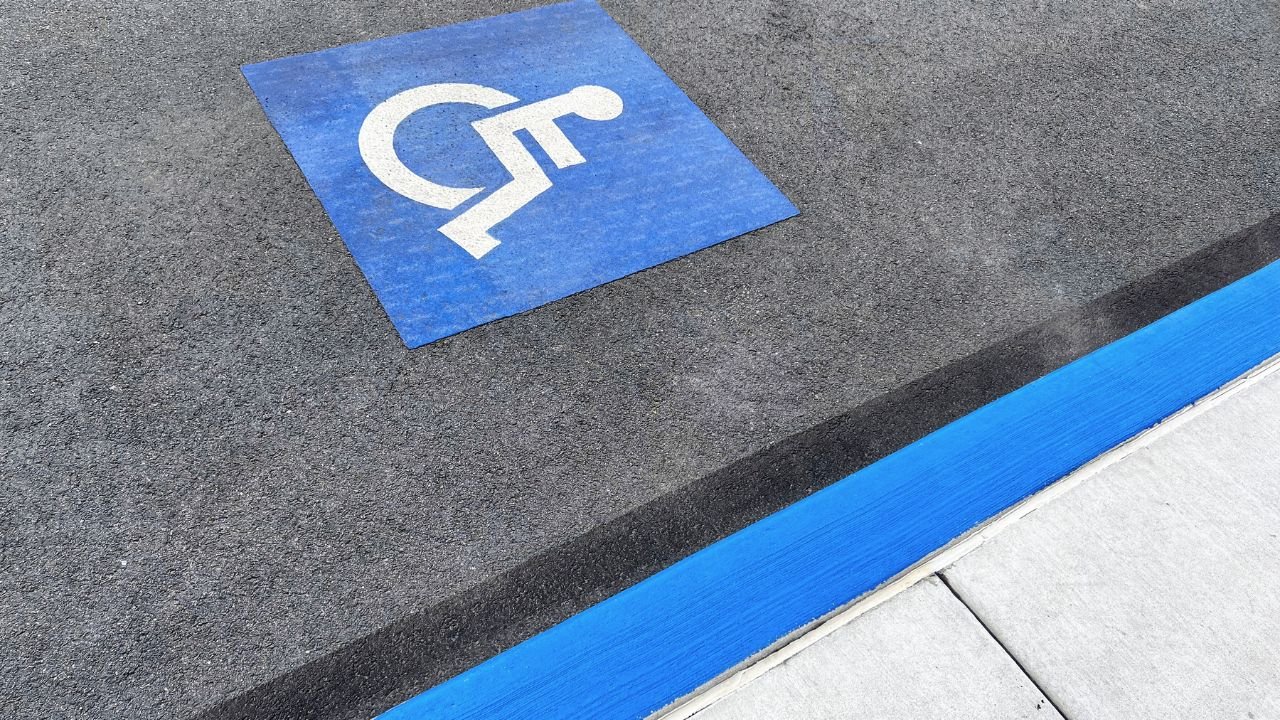
At Accessible Concrete Squad Florida, we recognize the significance of ADA compliant sidewalk construction in fostering inclusive communities. We prioritize creating safe and accessible pathways for everyone, ensuring they meet critical standards. By focusing on essential features and high-quality materials, we can transform urban landscapes. But what exactly makes a sidewalk truly compliant? Let’s explore the key aspects that contribute to effective design and construction.
When we consider sidewalk construction, understanding ADA compliance requirements is essential to secure accessibility for everyone. The Americans with Disabilities Act (ADA) sets specific guidelines that guarantee sidewalks are usable by individuals with disabilities. These requirements include proper width, surface texture, and slope. For instance, sidewalks must be at least 36 inches wide to accommodate wheelchair users.
Additionally, cross slopes should not exceed 2%, and the surface must be stable and slip-resistant. We also need to pay attention to curb ramps, which should be designed to facilitate easy changes from sidewalks to streets.
Accessible sidewalks are essential for creating inclusive communities, as they guarantee that everyone, regardless of mobility challenges, can navigate public spaces safely. We all benefit when sidewalks are designed with accessibility in mind. Imagine a parent pushing a stroller, an elderly person using a walker, or an individual in a wheelchair—each deserves to move freely and independently.
By prioritizing accessible sidewalks, we promote social interaction and community engagement. When everyone can access shops, parks, and public transport, we foster a sense of belonging. Furthermore, accessible sidewalks contribute to public safety, reducing the risk of accidents and injuries.
It’s not just about compliance; it’s about compassion and recognizing that our neighborhoods thrive when they cater to all individuals. Let’s work together to guarantee that our sidewalks reflect our commitment to inclusivity, making our communities better places for everyone.
To guarantee sidewalks meet ADA standards, we must focus on several key features that enhance accessibility for all individuals. These features guarantee safe and convenient pathways for everyone, regardless of their mobility.
Here’s a quick overview of these essential aspects:
| Feature | Description |
|---|---|
| Width | Sidewalks should be at least 36 inches wide to accommodate wheelchairs and strollers. |
| Slope | A maximum slope of 1:20 guarantees easy navigation for users with mobility challenges. |
| Surface Texture | A firm, stable, and slip-resistant surface helps prevent falls and enhances control. |
When it comes to sidewalk construction, the choice of materials plays a vital role in ensuring accessibility. We’ll explore the various types of concrete available and how they contribute to ADA compliance. Understanding these materials helps us create safer, more inclusive pathways for everyone.
As we explore the various concrete types used in sidewalk construction, it’s essential to understand how each material impacts durability and compliance with ADA standards. Here’s a quick overview of some commonly used concrete types:
| Concrete Type | Description |
|---|---|
| Standard Concrete | Basic mix, affordable, good for general use |
| High-Strength | Enhanced durability, ideal for heavy traffic |
| Fiber-Reinforced | Increased crack resistance, longevity |
| Permeable Concrete | Allows water drainage, reduces pooling |
| Decorative Concrete | Aesthetic options, enhances visual appeal |
Each type has its advantages and can be selected based on specific needs and environmental conditions. By understanding these options, we can guarantee our sidewalk construction meets durability and accessibility requirements effectively.
Accessibility features play an essential role in sidewalk construction, guaranteeing that everyone can navigate public spaces safely and comfortably. By focusing on the right materials, we can enhance accessibility and improve the overall experience for all users. Here are some key materials we should consider:
To create sidewalks that truly serve everyone, we must consider various design elements that enhance accessibility. First, we should prioritize a smooth, even surface, free of cracks or obstacles that could impede movement. Next, we need to guarantee the width of the sidewalk accommodates two wheelchairs passing side by side comfortably.
Incorporating tactile elements can also guide visually impaired individuals. We should think about how curb ramps are integrated; they need to be placed at intersections for seamless changes. Additionally, we can benefit from the thoughtful placement of benches and rest areas, allowing for breaks along longer routes.
Moreover, clear signage is essential for navigation, making it easier for everyone to understand their surroundings. By focusing on these design considerations, we can create sidewalks that not only comply with ADA standards but also foster inclusivity and safety for all pedestrians.
When designing sidewalks, understanding the role of gradients and slopes is essential for ensuring everyone can navigate them safely. Properly designed slopes help prevent accidents and improve accessibility for all. Here are key points to take into account:
Curb ramps are essential for ensuring accessibility in our communities, allowing everyone to navigate sidewalks safely. We need to understand the design standards and guidelines that govern them, as well as the importance of proper maintenance. By prioritizing these factors, we can enhance safety and inclusivity for all pedestrians.
Ramps play an essential role in creating accessible environments for everyone. They help guarantee that individuals with mobility challenges can navigate public spaces safely and independently. Here are four key reasons why curb ramps are vital:
To create effective curb ramps, we must adhere to specific design standards and guidelines that guarantee safety and accessibility for all users. These standards, set by the ADA, focus on slope, width, and surface texture to make certain that everyone, including those with mobility challenges, can navigate our sidewalks smoothly. For instance, a curb ramp should have a maximum slope of 1:12, providing a gentle incline that’s easier to traverse. Additionally, we should make sure ramps are at least 36 inches wide, allowing enough space for wheelchairs and strollers. Surface textures must be stable, firm, and slip-resistant to enhance safety in all weather conditions. By following these guidelines, we can create curb ramps that promote inclusivity and ease of movement for everyone.
While we often focus on the design of curb ramps, their ongoing maintenance and safety are equally essential to guaranteeing accessibility. Proper upkeep helps prevent accidents and guarantees everyone can navigate our sidewalks confidently. Here are four key considerations for curb ramp maintenance:
Guaranteeing safe crosswalks is essential for promoting accessibility and protecting pedestrians. We recognize that crosswalks serve as essential connections between sidewalks, allowing everyone, especially those with disabilities, to navigate our streets with confidence. To achieve this, we must prioritize clear visibility, proper signage, and adequate lighting. It’s imperative that crosswalks are marked clearly, using high-contrast paint that stands out against the road surface.
Additionally, we should advocate for curb cuts and tactile indicators, helping individuals with visual impairments navigate safely. We can collaborate with local authorities to confirm that traffic signals are timed appropriately, giving pedestrians enough time to cross.
When we consider sidewalk width, we must recognize its essential role in accessibility. Minimum width standards can greatly affect those using mobility devices and guarantee safety for all pedestrians. Let’s explore how proper sidewalk dimensions enhance mobility and flow in our communities.
A minimum sidewalk width of 36 inches is crucial for promoting accessibility in public spaces. This standard guarantees that everyone can navigate safely and comfortably. Here are a few key reasons why sidewalk width matters:
Sidewalk width plays an essential role in the effectiveness of mobility devices, impacting how easily users can navigate public spaces. When sidewalks are too narrow, individuals using wheelchairs or scooters often face challenges maneuvering safely. We can all agree that a minimum width of 36 inches is vital for accommodating these devices while allowing enough room for pedestrians to pass by. Additionally, wider sidewalks create a more inviting environment for everyone, including those with strollers or walking aids. By ensuring adequate space, we not only enhance accessibility but also encourage independence for users of mobility devices. Consequently, when planning sidewalk construction, let’s prioritize width to foster inclusive and functional public spaces for all.
While we often focus on accessibility for mobility devices, the width of sidewalks also directly affects safety and pedestrian flow. A properly designed sidewalk not only accommodates wheelchairs but enhances the overall experience for everyone. Here are four key reasons why sidewalk width matters:
To guarantee our sidewalks remain safe and accessible for everyone, regular maintenance and upkeep are essential. We need to routinely inspect our sidewalks for cracks, uneven surfaces, or debris that could pose hazards. Small issues can quickly escalate into significant problems if we don’t address them promptly.
We should also keep an eye on vegetation that may encroach on walkways, as overgrown plants can obstruct pathways for pedestrians. Regular cleaning to remove dirt, litter, and snow is crucial too, ensuring smooth navigation for all users, including those with disabilities.
We can organize community cleanup days to foster a sense of ownership and pride in our public spaces. By staying proactive in maintenance, we not only enhance our sidewalks’ safety and accessibility but also contribute to a more welcoming environment for everyone in our community. Together, we can make our sidewalks a priority for all.
As we think about creating ADA compliant sidewalks, it’s essential to involve our community in the design process. By hosting inclusive design workshops and engaging with local stakeholders, we can better understand everyone’s needs. Let’s work together to guarantee our sidewalks truly reflect the diverse voices of our community.
Engaging local stakeholders in the design of ADA compliant sidewalks guarantees that everyone’s voice is heard and valued. We believe that involving the community leads to better outcomes. Here are four ways we can make this happen:
Inclusive design workshops play an essential role in ensuring that the community’s needs are at the forefront of sidewalk construction projects. By actively involving residents in the design process, we can gather valuable insights and ideas that reflect their unique experiences. These workshops create a space for open dialogue, where participants can share their thoughts on accessibility, safety, and usability. Through collaborative brainstorming and hands-on activities, we can explore innovative solutions tailored to our community’s diverse requirements. Together, we can prioritize features that enhance mobility for everyone, ensuring that sidewalks are not only compliant but genuinely accessible. By participating in these workshops, we’re taking a vital step towards building a more inclusive environment for all.
Conducting a community needs assessment is essential for understanding the specific requirements of our neighborhoods when designing sidewalks. By engaging with our community, we can guarantee that our designs truly reflect everyone’s needs. Here’s what we should focus on:
Although we endeavor to create accessible sidewalks, several challenges complicate the construction process. One major hurdle is the existing infrastructure. Often, we encounter narrow streets, uneven terrain, or utility lines that hinder our ability to install compliant sidewalks. Additionally, weather conditions can impede our progress, delaying timelines and increasing costs.
Budget constraints also play a significant role; limited funding can restrict the quality of materials we can use. Moreover, we must navigate local regulations and zoning laws, which can vary widely from one area to another.
Community feedback is essential, but sometimes it leads to conflicting opinions on design and features. Balancing these diverse needs while adhering to ADA guidelines can be tricky. Despite these challenges, we remain committed to finding innovative solutions that promote accessibility and inclusivity in our communities. By working together, we can overcome these obstacles and build better sidewalks for everyone.
Despite the challenges we’ve faced in sidewalk construction, there are numerous examples of successful projects that demonstrate how we can create ADA-compliant pathways. These case studies highlight our ability to improve accessibility for all. Here are a few standout projects:
These successes inspire us to continue pushing for inclusive designs that benefit everyone in our community.
As we look ahead, it’s clear that the future of accessible sidewalk design will focus on innovative materials and smart technology to enhance usability for everyone. We’re seeing an exciting shift towards sustainable materials that not only support accessibility but also protect our environment. For instance, permeable concrete can reduce water runoff, promoting eco-friendliness.
Additionally, smart technology is set to play an essential role. Imagine sidewalks that can adjust their lighting based on the time of day or pedestrian traffic, enhancing safety and visibility for all users. Integrating sensors to monitor surface conditions could also alert individuals about potential hazards like ice or debris.
Finally, we’re likely to see more community input in design processes, ensuring that sidewalks reflect the needs and preferences of diverse users. By embracing these trends, we can create inclusive spaces that truly serve everyone in our communities.
When we decide to commence on a sidewalk project, it’s essential to start with a clear plan that addresses our community’s needs. A well-thought-out approach guarantees we create an accessible environment for everyone. Here’s how we can get started:
Typically, constructing an ADA compliant sidewalk takes about one to two weeks, depending on various factors like the project’s size and weather conditions. We often find that smaller projects can be completed more quickly, while larger ones may require more time. It’s important to plan for potential delays, but we’ll keep you informed throughout the process. Our goal is to guarantee quality and accessibility every step of the way.
When we’re planning sidewalk construction in Florida, we need several permits to guarantee compliance with local regulations. Typically, we’ll require a right-of-way permit from the city or county, along with any necessary environmental permits. If our project impacts drainage or utilities, additional permits may also be needed. It’s essential to check with local authorities to get a complete list, as requirements can vary by location. Let’s make certain we’re fully compliant!
Absolutely, we can request ADA compliant sidewalks in our neighborhoods. Think of our community as a garden; each accessible sidewalk we plant nurtures inclusivity, allowing everyone to thrive. By reaching out to local officials, we voice our needs for safer, more accessible paths. It’s essential we advocate together, ensuring our streets welcome all, regardless of ability. Let’s take this step toward a more inclusive future where everyone can walk freely and confidently.
Yes, there are financial assistance programs available for sidewalk construction projects. We can explore options like local government grants, community development programs, and even federal funding opportunities. Often, municipalities have specific funds designated for infrastructure improvements that enhance accessibility. It’s crucial to check with local agencies or community organizations to find the best resources. By doing so, we can guarantee our sidewalks meet everyone’s needs while easing the financial burden.
If we don’t comply with ADA sidewalk regulations, we could face significant penalties. These might include hefty fines, costly lawsuits, and even mandated changes to our projects at our own expense. It’s essential to understand that non-compliance not only affects our finances but also impacts accessibility for individuals with disabilities. By ensuring our sidewalks meet ADA standards, we not only avoid penalties but also create a more inclusive community for everyone.
 Call Now