
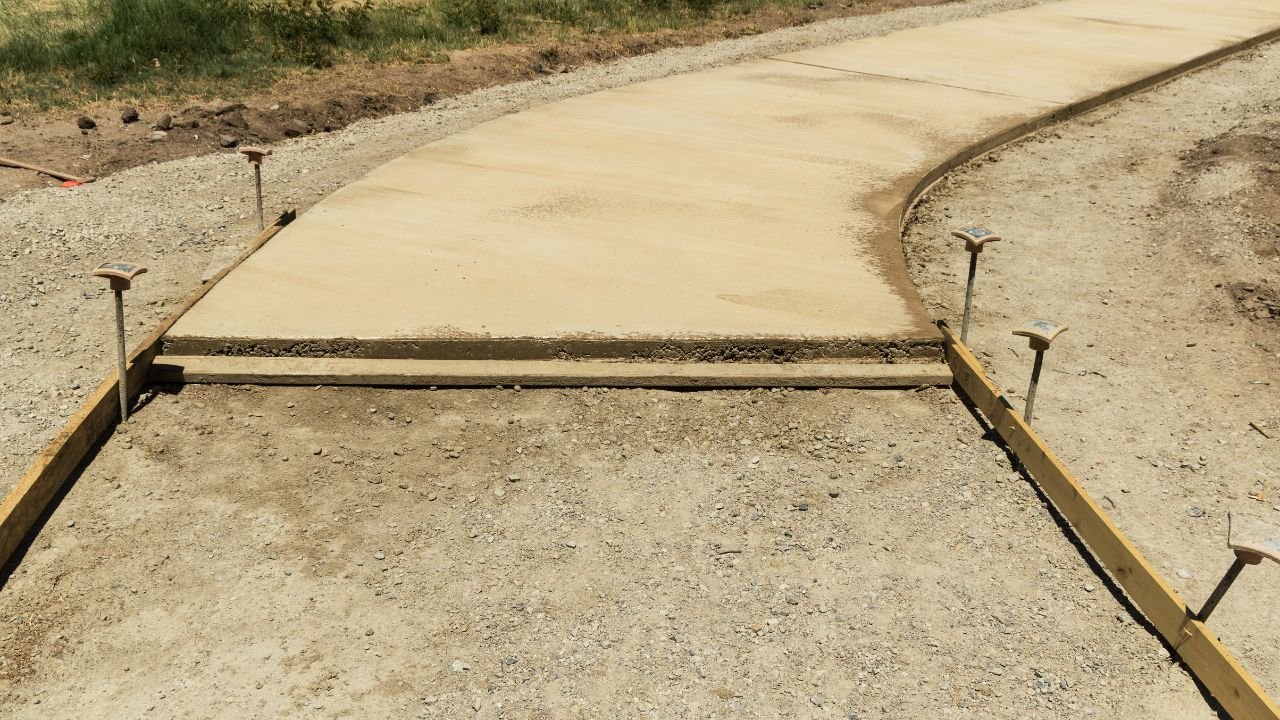
A concrete walkway is like a sturdy bridge connecting beauty and functionality in our outdoor spaces. At Pathway Experts Concrete Squad in Florida, we recognize the importance of a well-installed walkway. Our skilled team is dedicated to transforming your vision into reality. Curious about the styles we offer and how they can enhance your property? Let’s explore the advantages and unique designs that await you.
When we consider adding walkways to our outdoor spaces, concrete stands out as a top choice due to its numerous advantages. First off, concrete’s durability means it can withstand heavy foot traffic, weather changes, and even the test of time. We all want a pathway that won’t crack or fade after a few seasons, right?
Moreover, concrete is low-maintenance. A simple cleaning with water or a mild detergent is usually enough to keep it looking fresh. We also appreciate its versatility; we can customize colors and textures to fit our design preferences.
Another key benefit is safety. Concrete walkways can be designed with slip-resistant surfaces, ensuring our loved ones navigate safely. Finally, they’re cost-effective in the long run, as we won’t have to frequently replace or repair them. Altogether, these advantages make concrete an ideal choice for our outdoor pathways.
Concrete walkways offer a variety of styles that can enhance the aesthetic appeal of our outdoor spaces. When we’re exploring options, we can consider these three popular styles:
Stained Concrete: This technique allows us to add rich colors and textures, making our walkways visually striking. It’s perfect for those wanting a unique touch.
Stamped Concrete: With this style, we can mimic the look of natural stone, brick, or even wood. It provides a classic, upscale appearance while being durable and easy to maintain.
Exposed Aggregate: This approach showcases the natural stones within the concrete, creating a textured, slip-resistant surface. It’s not only functional but also adds a rustic charm to our pathways.
Having explored the various styles of concrete walkways, it’s time to look at how to bring these designs to life through the installation process. First, we’ll assess the area, ensuring it’s clear of debris and vegetation. Next, we’ll mark the desired path using stakes and string, giving us a clear guideline to follow.
After that, we’ll dig down to the required depth, typically around four to six inches, depending on the thickness of the concrete. Once the base is prepared, we’ll lay down gravel to promote drainage and compact it for stability.
Then, we’ll build forms to hold the concrete in place. Mixing the concrete comes next, followed by pouring it into the forms, smoothing the surface as we go. Finally, we’ll let it cure properly before removing the forms, ensuring your walkway’s strength and longevity. This process guarantees a beautiful, durable addition to your property.
When we think about choosing the right design for our concrete walkway, it’s vital to assess our property’s aesthetics and consider its functional requirements. We want a walkway that not only enhances the overall look but also serves its intended purpose effectively. Let’s explore how we can make those design choices together.
Choosing the right design for our property’s walkway can greatly enhance its overall aesthetic appeal. When we assess our property’s aesthetics, we should consider a few key aspects to guarantee our walkway complements the environment.
As we consider the functional requirements of our walkway, it’s essential to think about how it’ll be used on a daily basis. Are we expecting heavy foot traffic, or will it mainly serve as a decorative path? Understanding the purpose helps us choose the right materials and design. For instance, if we anticipate outdoor gatherings, we might want a wider walkway that can accommodate furniture. If we have children or pets, safety features like a textured surface become important. Additionally, we should think about maintenance; a design that’s easy to clean will save us time. By addressing these functional aspects, we guarantee our walkway not only looks great but also serves our needs effectively.
Although concrete walkways are known for their durability, they still require regular maintenance to keep them looking their best. By following these simple tips, we can guarantee our walkways remain in top shape for years to come.
Regular Cleaning: We should sweep away debris and dirt regularly. A pressure washer can be used occasionally to remove stubborn stains and grime.
Sealant Application: Applying a sealant every few years helps protect the surface from moisture and stains. We can consult a professional for the best products suited to our walkway type.
Crack Repair: It’s essential to address any cracks as soon as we notice them. We can fill small cracks with a concrete filler to prevent further damage and maintain the walkway’s integrity.
When planning our concrete walkway installation, we need to contemplate both material and labor costs. Understanding the breakdown of expenses helps us budget effectively. Let’s explore how these factors influence our overall investment.
Understanding the material expenses for a concrete walkway installation is essential for keeping our project within budget. By breaking down the costs, we can make informed decisions. Here are three key components to contemplate:
Concrete Mix: The type and amount of concrete mix we choose directly impact the overall cost. Higher quality mixes may be pricier but offer better durability.
Reinforcement Materials: Incorporating steel rebar or wire mesh can strengthen the walkway, adding to the upfront expenses but potentially saving on future repairs.
Finishing Products: Sealants, stains, and decorative elements enhance the walkway’s appearance. While these add to our budget, they can greatly increase curb appeal.
As we explore the labor cost factors for our concrete walkway installation, it’s vital to acknowledge that skilled labor can considerably influence our overall budget. Hiring experienced professionals guarantees the job’s quality and efficiency, but it often comes at a higher rate. We need to take into account the complexity of the project too. If we’re installing custom designs or dealing with challenging terrain, labor costs can rise. Additionally, the time frame plays a role; tight schedules may require more workers or longer hours, increasing expenses. We should also factor in any permits or local regulations that might necessitate specialized labor. By understanding these elements, we can better estimate our total installation costs and plan accordingly.
While many homeowners focus on interior renovations, we shouldn’t overlook how a well-designed concrete walkway can greatly enhance our home’s curb appeal. A stylish walkway not only invites guests but also adds value to our property. Here are three key ways concrete walkways can boost our home’s exterior appeal:
Design Versatility: We can choose from various colors, patterns, and finishes to create a unique look that complements our home’s architecture.
Durability: Concrete walkways withstand harsh weather conditions and heavy foot traffic, making them a long-lasting investment that requires minimal maintenance.
Landscaping Integration: A well-placed walkway can seamlessly connect our home to gardens or outdoor spaces, enhancing the overall aesthetic of our landscape.
When we consider the impact of our choices on the environment, eco-friendly concrete walkways stand out as a sustainable option for homeowners. By choosing concrete, we’re not just enhancing our property; we’re also making responsible decisions for the planet.
| Aspect | Eco-Friendly Benefit | Explanation |
|---|---|---|
| Durability | Long-lasting material | Reduces the need for frequent replacements |
| Recyclability | Use of recycled materials | Minimizes waste and conserves resources |
| Low Maintenance | Less frequent upkeep | Saves time and reduces chemical usage |
| Cool Pavement Technology | Reflects heat | Keeps surrounding areas cooler |
| Permeable Options | Reduces runoff | Helps in groundwater recharge |
These benefits not only contribute to a healthier environment but also enhance our outdoor spaces. By opting for eco-friendly concrete walkways, we’re investing in both our homes and the Earth’s future.
As we set out to install our concrete walkway, it’s vital to recognize some common missteps that can lead to problems down the line. We can’t overlook the importance of proper site preparation, accurate mixing ratios, and effective drainage solutions. By steering clear of these pitfalls, we’ll guarantee a successful and lasting installation.
Before we pour the concrete, we must guarantee the site is properly prepared to avoid costly mistakes. Inadequate site preparation can lead to uneven surfaces and cracking. Let’s make certain we cover these essential steps:
With the site properly prepared, our next focus shifts to mixing the concrete. It’s essential we get the ratios right; otherwise, we risk compromising the walkway’s strength and durability. Typically, a standard mix consists of one part cement, two parts sand, and three parts gravel, along with water. If we veer from these proportions, we might end up with a mixture that’s too weak or too dry. Trust us, an incorrect mixing ratio can lead to cracks and uneven surfaces down the line. We should always double-check our measurements and consider using a scale for accuracy. Mixing concrete is a science, and getting it right from the start sets the foundation for a long-lasting walkway. Let’s stay focused!
While we may be focused on laying the perfect concrete walkway, overlooking proper drainage solutions can lead to significant issues down the road. Poor drainage can cause cracks, pooling, and even structural damage to our walkway. To guarantee we avoid these costly mistakes, here are three common pitfalls to watch out for:
To guarantee a smooth concrete walkway installation, we need to carefully prepare our site ahead of time. First, we’ll clear the area of any debris, plants, or old materials that might obstruct our work. Next, we should assess the ground’s condition; if it’s uneven or soft, we may need to compact it or add gravel for stability.
Once the area is prepped, we need to outline the walkway’s dimensions using stakes and string, ensuring it’s straight and level. This helps us visualize the final product. We must also consider drainage; ensuring water flows away from our walkway prevents future issues.
Lastly, we should gather all necessary tools and materials beforehand to avoid delays. By taking these steps, we can set the stage for a successful concrete installation that meets our expectations and withstands the test of time. Let’s get started!
When it comes to customizing our concrete walkway, we have plenty of exciting options to choose from. We can select from a variety of designs, colors, and textures that will perfectly fit our style and enhance our outdoor space. Let’s explore how these choices can transform our walkway into a stunning feature!
As we explore the world of concrete walkways, we’ll find a wealth of design variety choices that allow us to customize our pathways to perfectly fit our style and needs. Here are three exciting options we can consider:
With these choices, we’re sure to design a walkway that reflects our taste while remaining functional and durable.
While we’ve explored design variety choices for our concrete walkways, color and texture options offer another layer of customization that can greatly enhance their appeal. By choosing different colors, we can create a vibrant pathway that complements your landscape or home exterior. From earthy tones to bold shades, the right color can set the mood and highlight your property’s unique style.
Texture plays a crucial role too. We can add patterns like stamped designs or exposed aggregate finishes, giving your walkway depth and character. These options not only boost aesthetic value but also improve safety by providing better grip. Ultimately, with our wide range of color and texture choices, we can craft a walkway that truly reflects your vision.
Although many materials are available for walkways, concrete stands out for its exceptional durability. We often see it as a long-term investment that can withstand various environmental factors. Here are three reasons why concrete excels in durability compared to other materials:
Due to these benefits, we can assuredly choose concrete for our walkways. It not only enhances the aesthetic appeal of our properties but also guarantees we won’t have to worry about frequent repairs or replacements. Let’s embrace this practical choice for durable and reliable walkways!
When we look at successful walkway projects, the impact of concrete becomes even more evident. We’ve had the pleasure of transforming various spaces, showcasing the versatility and beauty of concrete walkways. Here are a few examples that illustrate the transformative power of our work:
| Project Type | Features |
|---|---|
| Residential Garden | Curved paths with decorative borders |
| Commercial Plaza | Wide, smooth surfaces for high foot traffic |
| Public Park | Eco-friendly designs with natural textures |
In each case, we focused on blending functionality with aesthetics, ensuring our walkways not only serve their purpose but also enhance the overall environment. From vibrant gardens to bustling plazas, our projects showcase how concrete can elevate any space, making it both accessible and visually appealing. We take pride in our work and look forward to creating more stunning walkways that meet our clients’ needs.
As we reflect on our successful walkway projects, it’s clear that our clients’ satisfaction plays a pivotal role in our journey. We’ve had the pleasure of hearing from numerous clients who’ve shared their positive experiences with us. Their feedback not only motivates us but also helps potential customers understand the value we bring. Here are some highlights from their testimonials:
These testimonials inspire us to continue delivering excellence in every project we undertake. Your satisfaction is our ultimate goal!
At Pathway Experts Concrete Squad, we believe that choosing the right team for your concrete walkway installation is essential for a successful project. Our skilled professionals bring years of experience and expertise to every job, ensuring that your walkway is not only functional but also aesthetically pleasing. We prioritize quality materials and craftsmanship, so you can trust that your installation will stand the test of time.
We understand that communication is key, which is why we keep you informed throughout the process. Our team is dedicated to your satisfaction, and we take pride in our attention to detail. Plus, we offer competitive pricing without compromising on quality.
When you choose us, you’re choosing a partner who values your vision and works diligently to bring it to life. Let’s create a beautiful, durable walkway together that enhances your property and makes a lasting impression.
Typically, the concrete walkway installation takes about one to three days, depending on the size and complexity of the project. We start by preparing the site, which can take a few hours. After pouring the concrete, we usually let it cure for at least 24 to 48 hours before it’s ready for foot traffic. So, if you’re planning a new walkway, we’ll make sure it’s done efficiently and effectively!
Yes, we can install a concrete walkway in winter, but it requires special considerations. Cold temperatures can affect the curing process, so we’d need to use additives and take precautions to keep the concrete warm. We might also need to work quickly to prevent freezing. If we’re prepared and follow best practices, we can achieve a durable, functional walkway, even in winter conditions. Let’s discuss your project further!
For our walkway, we should use a high-strength concrete mix, ideally a 4000 psi blend. This mix offers durability and weather resistance, making it perfect for outdoor use. We might also consider adding a fiber reinforcement to enhance strength and reduce cracking. If we want a decorative finish, we can explore options like stamped or colored concrete. Let’s guarantee we choose a mix that suits our specific climate and aesthetic preferences!
Yes, permits are typically required for concrete walkway installation in Florida. We should check with our local zoning office to understand specific regulations, as they can vary by county or city. It’s essential to guarantee we’re following all guidelines to avoid fines or complications later on. By obtaining the necessary permits, we’ll make certain our project is compliant and safe, leading to a smooth installation process for our new walkway.
To prevent cracking in our concrete walkway, we can embrace a few essential practices. Just like nurturing a garden, we need to prepare the soil—properly compacting the base is key. We should also use quality materials, add control joints, and cure the concrete well. By sealing it, we guard against moisture and temperature changes. With these steps, we can guarantee our walkway stands strong, like a steadfast bridge through time.
 Call Now