
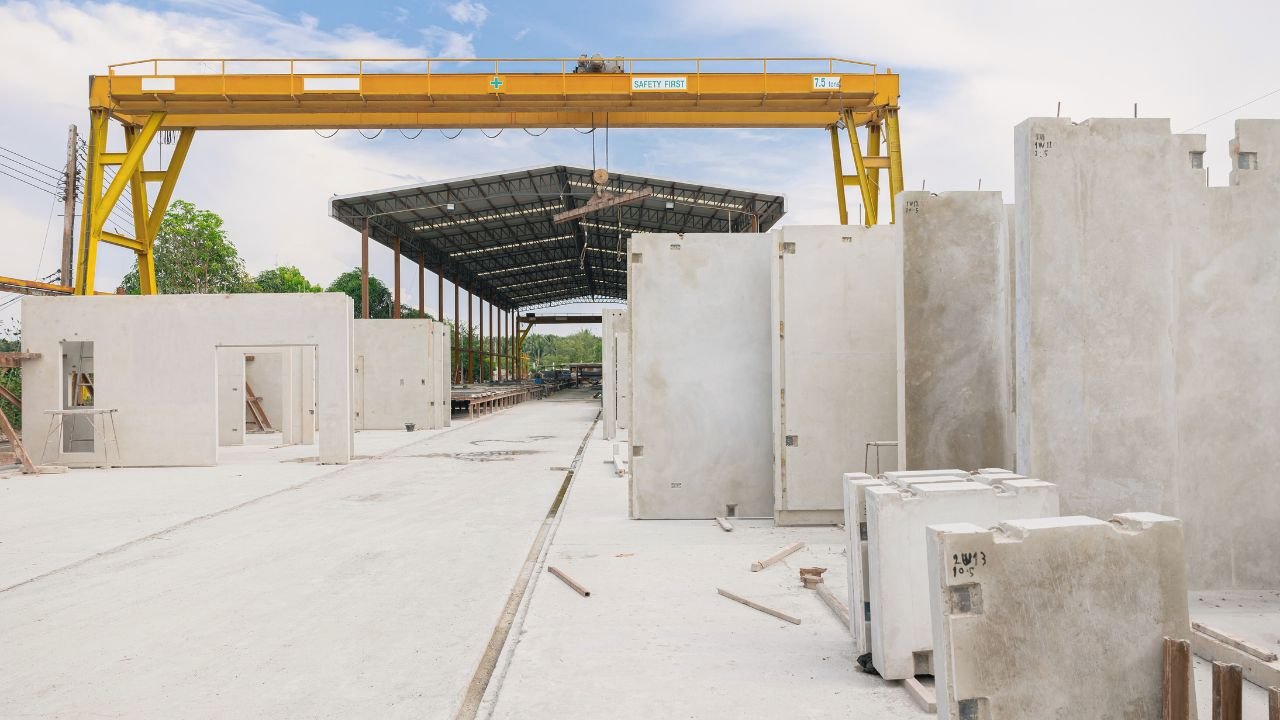
When we undertook the construction of a 50,000-square-foot warehouse in Orlando, we quickly realized the pivotal role high-quality concrete slabs play in longevity and performance. It’s not just about pouring concrete; it involves careful design, soil preparation, and choosing the right mix. As we explore the essential aspects of slab construction, we’ll uncover what truly makes a difference for commercial storage facilities like those we’ve worked on.
When it comes to warehouse construction, the sheer strength and durability of high-quality concrete slabs are paramount. We understand that these slabs form the foundation of our storage facilities, impacting everything from load capacity to long-term performance. Using top-grade concrete guarantees that our slabs can withstand heavy machinery and constant traffic without cracking or settling.
Moreover, a well-constructed slab minimizes maintenance costs and prolongs the lifespan of the entire structure. It’s not just about aesthetics; it’s about functionality and safety. If we skimp on quality, we risk expensive repairs and potential hazards down the line. By investing in high-quality concrete, we’re securing a solid base that supports our operations for years to come. In short, high-quality concrete slabs aren’t just a choice; they’re an essential element of successful warehouse construction. Let’s prioritize this aspect to make certain our facilities stand the test of time.
When designing a warehouse slab, we need to take into account several key factors that guarantee its longevity and functionality. Load-bearing capacity, thickness, and reinforcement play essential roles, as do effective drainage and moisture control. Let’s explore how each of these elements contributes to a successful slab design.
Load-bearing capacity is vital for guaranteeing warehouse slabs can support the intended loads without compromising structural integrity. When we design these slabs, we must consider factors like soil type, load distribution, and usage patterns. Each element plays an important role in determining how much weight the slab can safely carry. For instance, heavier equipment and stored materials require a robust design to prevent cracking or failure. We also need to account for dynamic loads, such as forklifts moving across the surface, which can add stress. By understanding these factors, we can create effective designs that enhance performance and safety. Ultimately, a well-planned slab guarantees longevity and reliability in our warehouse operations.
To guarantee peak performance in warehouse slab design, we must carefully consider both thickness and reinforcement. The slab’s thickness directly influences its load-bearing capacity and overall durability. Typically, we recommend a thickness of at least 4 to 6 inches, depending on the expected loads and usage.
Reinforcement plays a vital role in enhancing the slab’s strength and resistance to cracking. We often use steel rebar or wire mesh to effectively distribute the weight and withstand tension forces. It is important to place this reinforcement correctly within the slab to maximize its effectiveness. By addressing both thickness and reinforcement, we create a robust foundation that can handle the demands of a busy warehouse environment, ensuring longevity and safety for all operations.
After ensuring the right thickness and reinforcement for our warehouse slab, we must address drainage and moisture control to maintain the slab’s integrity over time. Proper drainage minimizes water accumulation, which can lead to cracks and deterioration. We should design the site with a slight slope away from the building, directing water to designated drainage points. Installing a reliable drainage system, like French drains, helps manage excess moisture effectively. Additionally, we need to take into account vapor barriers beneath the slab to prevent groundwater from seeping through. By prioritizing these elements, we’ll protect our investment and prolong the lifespan of the concrete slab, ensuring it remains functional and stable for years to come.
Soil preparation plays an essential role in guaranteeing the stability and longevity of warehouse slab construction. Before we pour any concrete, we need to assess the site’s soil condition thoroughly. Compacted, well-draining soil is critical; it helps prevent settling and cracking in our slabs. We often start by removing any organic material, like roots or debris, as they can decompose and create voids over time.
Next, we’ll grade the soil to guarantee proper drainage, which is fundamental for avoiding moisture-related issues. If the soil isn’t suitable, we might need to improve it by adding gravel or other materials to enhance its load-bearing capacity.
When it comes to warehouse slab construction, selecting the right concrete mix is essential for ensuring durability and performance. The mix we choose impacts everything from load-bearing capacity to resistance against wear and tear. To make an informed decision, let’s consider three key factors:
Strength Requirements: We need to assess the weight and type of materials that will be stored. Higher strength concrete is necessary for heavier loads.
Environmental Conditions: If our warehouse is in a region with extreme weather, we should opt for a mix that can withstand temperature fluctuations and moisture.
Workability and Finish: We want a mix that’s easy to work with, ensuring a smooth finish and allowing for efficient installation.
When it comes to enhancing the durability of our warehouse slabs, we should consider various reinforcement techniques. Steel reinforcement bars are a traditional choice, but fiber reinforcement options are gaining popularity for their unique advantages. Let’s explore these techniques to guarantee our slabs can withstand the test of time.
In warehouse slab construction, steel reinforcement bars (rebar) play an essential role in enhancing the durability and structural integrity of concrete slabs. Using rebar helps us guarantee that the slabs can withstand heavy loads and resist cracking, which is vital for long-term performance. Here are three key benefits of incorporating rebar in our concrete slabs:
Incorporating rebar is a smart investment for any warehouse project.
While steel reinforcement bars provide significant benefits for concrete slabs, fiber reinforcement options offer an alternative that can enhance durability even further. We can incorporate various types of fibers, such as steel, polypropylene, or glass, to improve crack resistance and overall performance. These fibers distribute stress throughout the slab, reducing the likelihood of cracks and increasing longevity.
Additionally, fiber reinforcement can enhance the slab’s impact resistance and reduce shrinkage during curing. It’s often easier to mix into the concrete than traditional methods, saving us time and labor costs. By choosing fiber reinforcement, we’re not just increasing durability; we’re also optimizing the slab’s structural integrity for commercial storage needs. Ultimately, it’s a smart choice for any warehouse construction project.
Warehouse slabs are essential foundations for efficient storage and operations. Choosing the right type of slab can greatly impact the warehouse’s functionality. Here are three common types of warehouse slabs we should consider:
Standard Concrete Slabs: These are typical for most warehouses, providing a solid and durable surface for heavy loads and equipment.
Reinforced Concrete Slabs: These slabs incorporate steel reinforcement, enhancing strength and load-bearing capacity, making them ideal for environments with heavy machinery.
Post-Tensioned Slabs: Utilizing high-strength steel tendons, these slabs allow for thinner designs while maintaining strength, which can be beneficial in reducing material costs and construction time.
Choosing the right type of warehouse slab is just the beginning of creating an effective storage space; we must also consider how water management affects our operations. Proper drainage systems play a significant role in maintaining the integrity of our slabs and the overall facility. When we invest in effective drainage, we minimize the risk of water pooling, which can weaken our concrete and lead to costly repairs.
Additionally, a well-designed drainage system helps prevent moisture buildup, reducing the chances of mold and mildew that can harm products and create health risks for our employees. It also protects our equipment and inventory from water damage, ensuring smooth operations.
When it comes to slab construction, we can’t overlook how temperature and weather impact our work. Extreme conditions can affect curing times and lead to unexpected delays, making it crucial to plan accordingly. By understanding these factors, we can guarantee a smoother construction process throughout the seasons.
As we navigate the complexities of slab construction, it is crucial to understand how temperature can greatly impact the curing process. The curing period is critical, and we need to be aware of the surrounding conditions to guarantee ideal results. Here are three key temperature effects we should consider:
While we often focus on the technical aspects of slab construction, weather-related delays can greatly affect our timeline and budget. When rain, extreme heat, or unexpected storms hit, we need to pause our work to guarantee safety and quality. Wet conditions can compromise the curing process, while high temperatures can lead to rapid evaporation, both resulting in poor slab integrity. We’ve all experienced delays due to inclement weather, and it’s vital to plan for these contingencies. Monitoring forecasts helps us anticipate potential issues, but we should also build flexibility into our schedules. By acknowledging the impact of weather on our projects, we can make informed decisions, ultimately leading to a more successful slab construction process.
Weather-related delays highlighted the importance of understanding seasonal construction considerations. As we plan our warehouse slab projects, we must keep in mind how temperature and weather can impact our work. Here are three key factors to evaluate:
Maintaining the integrity of concrete slabs is essential for guaranteeing their longevity and performance in warehouse environments. To keep our slabs in top shape, we should start with regular inspections. Checking for cracks, spalling, or uneven surfaces allows us to address issues before they worsen.
We also need to guarantee proper drainage around the slabs. Water pooling can lead to damage, so maintaining clear drainage systems is vital. Applying a high-quality sealant protects the surface from stains and wear, extending its life.
Additionally, we must be mindful of heavy loads. Distributing weight evenly helps prevent cracking under pressure. Implementing a cleaning schedule for spills and debris keeps the surface safe and functional.
Finally, we can consider using mats or pads under heavy equipment to reduce direct impact on the slabs. By following these best practices, we can guarantee our concrete slabs remain durable and reliable for years to come.
When we think about upgrading existing warehouse floors, it’s essential to first assess the current floor condition. From there, we can choose suitable materials that will enhance functionality and durability. Finally, implementing these upgrades with the right finishing touches will guarantee our floors meet modern standards and needs.
As we evaluate the current floor condition of our warehouse, it is crucial to identify any issues that could impact safety and efficiency. A well-maintained floor not only enhances productivity but also reduces potential hazards. Here are three key areas we should focus on:
Choosing the right materials for upgrading our existing warehouse floors can greatly enhance both safety and efficiency. We need to evaluate factors like durability, load-bearing capacity, and resistance to wear. High-quality concrete mixes can provide the strength we require, while additives may improve longevity and reduce cracking. For areas with heavy machinery, reinforced concrete is essential to withstand the pressure. Additionally, using non-slip coatings can help prevent accidents, ensuring a safer work environment. If we’re looking to minimize downtime, quick-curing materials allow for faster installation. Overall, selecting suitable materials is vital for creating a robust and functional warehouse floor that meets our operational needs. Let’s make informed choices that will benefit us in the long run.
Once we’ve selected the right materials for our warehouse floors, it’s time to focus on implementation and the finishing touches. Upgrading existing warehouse floors can greatly enhance functionality and aesthetics. Here are three key steps we should consider:
While we explore the domain of warehouse slab construction, we can’t overlook the remarkable innovations in concrete technology that have transformed the industry. One significant advancement is the development of high-performance concrete, which offers superior strength and durability. This allows us to create thinner slabs without compromising structural integrity.
Additionally, we’ve seen the rise of self-consolidating concrete, which flows easily into forms, reducing the need for vibration and labor. This not only speeds up the construction process but also minimizes defects.
Moreover, incorporating recycled materials into concrete mixes is becoming more common, promoting sustainability while maintaining performance.
We’re also excited about advancements in curing methods, like the use of curing compounds that enhance moisture retention, resulting in better curing and fewer cracks.
Together, these innovations not only improve efficiency but also contribute to more sustainable practices in warehouse slab construction.
As we explore the cost considerations for slab construction, it’s important to recognize that various factors can greatly impact our budget. Understanding these elements helps us make informed decisions and avoid unexpected expenses. Here are three key cost considerations:
How can we guarantee we choose the right contractor for our warehouse slab construction? It’s essential to evaluate our options carefully to guarantee a successful project. We can start by checking the contractor’s credentials, including licenses and insurance. Next, we should assess their experience with similar projects to gauge their expertise. Customer reviews and references are also important, as they provide insight into previous work.
Here’s a simple table to guide our selection process:
| Criteria | What to Look For |
|---|---|
| Credentials | Valid licenses and insurance |
| Experience | Similar project experience |
| Reviews | Positive customer feedback |
| Availability | Timely project completion |
| Communication Skills | Clear and responsive dialogue |
In our exploration of successful warehouse slab projects, we can draw inspiration from several standout case studies that highlight effective practices and innovative solutions. These examples not only demonstrate the importance of proper planning but also showcase how attention to detail can lead to impressive results. Here are three notable projects:
The Eco-Friendly Warehouse: This project utilized sustainable materials and energy-efficient designs, reducing its carbon footprint while maintaining durability.
The High-Load Facility: Leveraging advanced concrete mixtures, this warehouse’s slab easily supports heavy machinery, ensuring long-term functionality.
The Rapid Construction Project: With precise coordination, this project achieved slab completion ahead of schedule, demonstrating the value of teamwork and effective scheduling.
While we look ahead, it’s clear that future trends in warehouse construction are set to revolutionize the industry. One major trend we’re seeing is the integration of automation and robotics. These technologies streamline operations, reduce labor costs, and boost efficiency. Additionally, sustainable building practices are becoming crucial. We’re increasingly focusing on eco-friendly materials and energy-efficient designs, which not only benefit the environment but also lower operational costs.
Another exciting trend is the rise of multi-story warehouses, particularly in urban areas where space is limited. These structures maximize storage capacity without requiring more land. We’re also witnessing a shift toward smart warehousing, utilizing IoT devices for real-time tracking and inventory management. This connectivity enhances operational visibility and decision-making.
As we embrace these innovations, it’s essential to stay informed and adaptable, ensuring we’re ready to meet the evolving demands of the logistics and distribution sector.
A concrete warehouse slab typically lasts between 30 to 50 years, standing firm like a sturdy foundation beneath our feet. We’ve seen how environmental factors, maintenance, and quality of materials influence that lifespan. Imagine the weight of goods resting on it, where durability meets functionality. It is understood that regular inspections and timely repairs can extend its life, ensuring it supports our operations efficiently for decades. Investing in quality pays off in the long run!
We can identify signs of slab damage by looking for cracks, uneven surfaces, or water pooling. If we notice any signs of settling or shifting, it’s a red flag. We should also check for any spalling or flaking on the surface. Listening for hollow sounds when tapping the slab can indicate voids underneath. If we see any of these issues, it’s best to consult a professional for a thorough assessment.
Absolutely, there are eco-friendly options for concrete slabs! We can use recycled materials, such as crushed concrete, which reduces waste and conserves resources. Additionally, incorporating sustainable additives like fly ash or slag not only enhances strength but also lowers carbon emissions during production. We can also explore permeable concrete, which allows water to pass through, thereby reducing runoff. By choosing these options, we contribute to a more sustainable future while building strong foundations.
Slab cracking commonly happens due to several factors. We often see issues like soil settlement, which creates uneven support, and shrinkage as the concrete cures. Temperature fluctuations can also lead to expansion and contraction, causing stress. Heavy loads placed on the slab might exceed its capacity, leading to cracks too. Finally, improper installation or inadequate drainage can exacerbate these problems. Understanding these causes helps us prevent future cracking and maintain durability.
Sure, we can install a slab in winter conditions, but we need to tread carefully. Cold weather can affect the curing process, so we should use special additives to guarantee the concrete sets properly. It’s essential to keep the temperature above a certain level to avoid problems down the line. With the right precautions, we can get the job done efficiently, even when Jack Frost is nipping at our noses!
 Call Now