
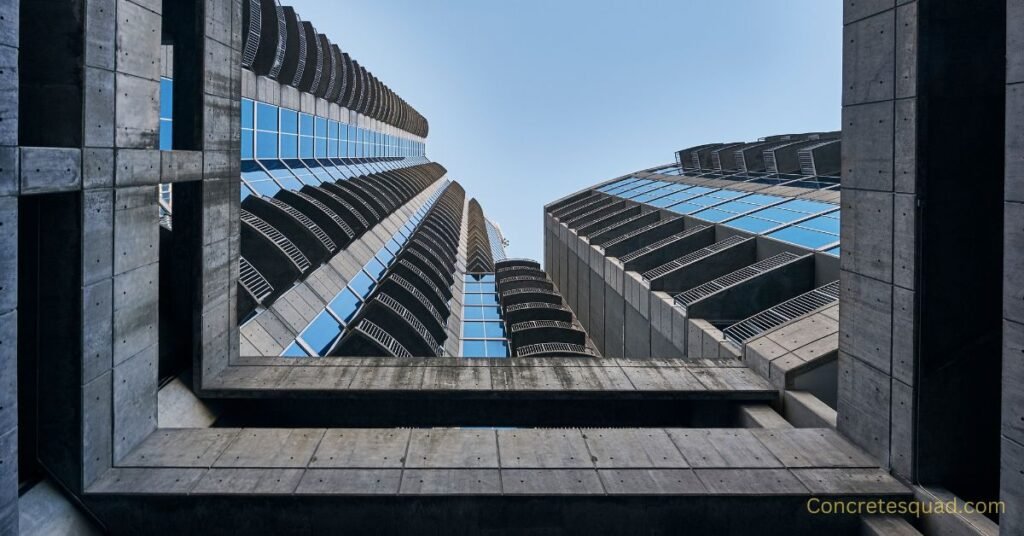
The rise of Ultra-High-Performance Concrete (UHPC) represents a transformative shift in construction material technology. UHPC is distinguished by exceptional compressive and tensile strengths, attributed to its unique formulation that includes fine aggregates, silica fume, and high-performance superplasticizers. This concrete variant boasts unparalleled durability, resisting environmental degradation and reducing maintenance needs. Its lightweight, slender components enable innovative architectural designs and efficient construction, particularly in bridges. Moreover, UHPC demonstrates a reduced carbon footprint, aligning with sustainable building practices. The evolving landscape of UHPC continues to reveal new applications and advancements that merit further exploration.
Ultra-High-Performance Concrete (UHPC) is a specialized class of concrete characterized by its exceptional mechanical properties and durability. Its formulation typically includes a carefully curated mix design that significantly enhances performance characteristics compared to conventional concrete.
UHPC generally consists of granular materials, such as fine aggregates and silica fume, combined with a low water-cement ratio and high-performance superplasticizers. This unique composition results in a denser microstructure and improved interfacial bonding.
The performance characteristics of UHPC include compressive strengths exceeding 150 MPa and tensile strengths often surpassing 10 MPa, which positions it as an ideal material for applications requiring high load-bearing capabilities.
Moreover, UHPC exhibits remarkable resistance to environmental factors, such as freeze-thaw cycles and chloride ion penetration, making it suitable for infrastructure exposed to harsh conditions.
The role of mix design in UHPC is critical, as it dictates the balance between workability and mechanical performance. By optimizing the proportions of each component, engineers can tailor UHPC to meet specific project requirements, thereby ensuring longevity and structural integrity.
As research advances, the potential applications for UHPC continue to expand, further solidifying its place in modern construction.
One of the foremost advantages of Ultra-High-Performance Concrete (UHPC) is its unparalleled strength-to-weight ratio, which allows for the creation of longer spans and thinner structural elements without compromising stability.
This characteristic is particularly beneficial in modern engineering, where optimizing material usage is essential for sustainability and cost-effectiveness.
Additionally, UHPC offers significant durability advantages, outperforming traditional concrete in terms of resistance to environmental factors such as freeze-thaw cycles, chemical attacks, and abrasion.
This enhanced durability reduces maintenance costs and extends the lifespan of structures, making UHPC a wise investment for long-term projects.
Moreover, the versatility of UHPC opens up a range of aesthetic possibilities.
Its smooth finish and ability to incorporate various pigments and textures enable architects to explore innovative designs that enhance the visual appeal of structures.
The capacity for intricate detailing further elevates the potential for creative architectural solutions.
The remarkable properties of Ultra-High-Performance Concrete (UHPC) have led to its integration in a variety of innovative applications across the construction and infrastructure sectors. Its exceptional compressive strength, durability, and aesthetic qualities make UHPC particularly suitable for bridge construction, where structural integrity and longevity are paramount.
UHPC allows for the creation of slender, lightweight bridge components that can span larger distances without the need for extensive support systems, thus reducing material use and overall project costs.
In the realm of architectural design, UHPC offers unprecedented versatility. Designers leverage its ability to be molded into complex shapes, enabling the realization of intricate facades and unique structural forms that were previously unachievable.
Additionally, its high-performance characteristics make it an ideal material for precast elements, enhancing the speed and efficiency of construction processes.
Furthermore, UHPC's resistance to environmental degradation ensures that structures maintain their visual and structural integrity over time, reducing maintenance needs.
As the construction industry continues to evolve, the adoption of UHPC in both bridge construction and architectural design exemplifies the material's potential to redefine modern infrastructure and elevate aesthetic standards.
While the construction industry faces increasing pressure to adopt sustainable practices, Ultra-High-Performance Concrete (UHPC) emerges as a favorable alternative due to its enhanced environmental performance. One of the primary benefits of UHPC is its significant reduction in carbon footprint compared to conventional concrete. This reduction is achieved through the optimization of raw materials and improved mix designs, which minimize waste and energy consumption during production.
Moreover, UHPC demonstrates exceptional resource efficiency. Its superior mechanical properties allow for the use of thinner structural elements, leading to decreased material usage without compromising strength or durability. This not only conserves resources but also reduces the overall weight of structures, which can lessen transportation energy and associated emissions.
Additionally, the longevity and durability of UHPC contribute to its sustainability profile. By reducing the need for frequent repairs and replacements, UHPC extends the lifecycle of constructions, further diminishing the cumulative environmental impact over time.
As the industry prioritizes sustainable innovation, UHPC stands out as a material that aligns performance with environmental responsibility, making it a pivotal choice for future construction projects focused on sustainability.
Anticipating the future of Ultra-High-Performance Concrete (UHPC) reveals a landscape marked by innovation and evolving applications. As industries seek to leverage the unique properties of UHPC, future innovations will focus on enhancing its durability, workability, and sustainability. The integration of advanced materials and nanotechnology is expected to push the boundaries of performance, leading to even more robust structural solutions.
Market growth for UHPC is projected to surge, driven by increasing demand in infrastructure, architectural applications, and precast elements. This trend is supported by the growing emphasis on resilient construction practices in response to climate change and urbanization pressures.
| Future Innovations | Market Growth |
|---|---|
| Enhanced durability | Infrastructure expansion |
| Reduced carbon footprint | Urban development |
| Smart sensor integration | Global demand increase |
| Customized formulations | Regulatory support |
The convergence of these factors suggests that UHPC will not only become a standard choice in construction but also a pivotal element in achieving sustainable building practices. As research continues to advance, the potential applications and benefits of UHPC will likely expand significantly, shaping the future of construction.
Ultra-high-performance concrete (UHPC) represents a significant advancement in construction materials, akin to the leap from traditional steel to modern alloys. Its superior strength, durability, and versatility position it as a transformative element in architectural and infrastructural applications. As sustainability considerations gain prominence, the potential for UHPC to meet these demands underscores its relevance in future construction practices. Continued research and innovation will likely expand its applicability, ensuring that UHPC remains at the forefront of material science advancements.
 Call Now